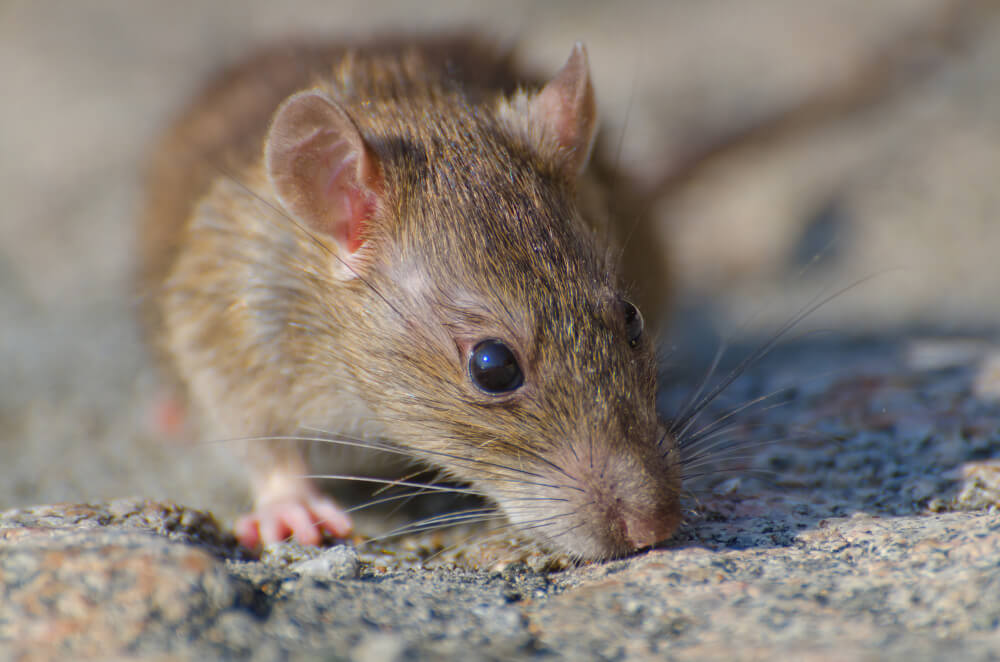
Coastal communities experience unique weather patterns that directly influence pest activity. Moderate temperatures, higher humidity, seasonal fog, and periodic rainfall all shape how rodents move, feed, and nest. For homeowners, understanding these environmental influences is essential to maintaining a protected property. From a professional standpoint, weather patterns are never separate from pest behavior. In coastal regions, consistent mild conditions allow rodents to remain active for much of the year. This continuous activity changes how infestations develop and how rodent control strategies must be structured for long-term effectiveness. Mild Winters Allow Year-Round Rodent Activity In colder inland climates, freezing temperatures often slow rodent populations. Coastal weather, however, rarely produces prolonged freezes. This has a measurable impact on behavior and reproduction. When winters remain mild: Without extreme cold to suppress numbers, rodent populations can remain steady throughout the year. Instead of a single seasonal spike, coastal regions often experience ongoing low-level activity that builds gradually. Because of this pattern, infestations may go unnoticed longer. Homeowners may not see the dramatic winter invasions typical in colder climates, yet interior nesting and structural damage can still occur. Continuous monitoring becomes essential in maintaining effective rodent control under these conditions. Coastal Moisture Influences Nesting and Shelter Choices Humidity and marine air play an important role in rodent habitat selection. Moisture affects everything from food preservation to nesting materials and burrow stability. In coastal environments: Rodents prefer environments that provide cover and stable temperatures. In coastal climates, vegetation rarely dies back completely, giving rodents consistent shelter. Dense shrubs, ivy growth, and ground cover allow discreet travel routes between outdoor and indoor spaces. Moisture also impacts structural vulnerabilities. Wood components exposed to humidity may soften over time, creating easier entry points. Small gaps around vents, utility lines, and foundations become more susceptible to gnawing. Understanding how humidity alters habitat conditions helps explain why rodent behavior in coastal areas can appear persistent rather than seasonal. Seasonal Rainfall Drives Movement Toward Structures Rainfall patterns common in coastal areas can temporarily disrupt outdoor burrows. When soil becomes saturated, rodents seek higher, drier ground. This often pushes them toward homes and commercial buildings. After significant rain events: Attics, wall voids, and storage spaces provide warmth and protection from damp conditions. Once inside, rodents may establish nesting sites quickly, especially if food is accessible. Rain-driven migration is often mistaken for sudden infestations. In reality, rodents may have been present outdoors for months before being displaced by weather conditions. Professional rodent control approaches account for this environmental trigger and focus on both exclusion and habitat modification. Coastal Landscaping Supports Expanded Pest Activity Coastal properties frequently feature lush landscaping due to favorable growing conditions. While attractive, dense vegetation can unintentionally support rodent populations and other pests. Common factors that increase risk include: Rodents are not the only concern. In coastal communities, additional pests such as gophers, ants, spiders, cockroaches, wasps, fleas, and ticks also thrive in well-irrigated landscapes. Each of these species responds differently to moisture and seasonal shifts, but dense vegetation provides shelter for many of them. Coastal weather encourages plant growth nearly year-round, reducing natural die-off that would otherwise expose burrows. As a result, rodents can move between properties without significant interruption. Maintaining balanced landscaping is an important step, yet environmental conditions alone often require more comprehensive rodent control planning to achieve lasting protection. Why Coastal Conditions Require a Strategic Rodent Control Plan Coastal weather patterns create a steady environment for rodent survival. Without harsh seasonal resets, populations can build gradually and quietly. Effective rodent control in these regions requires consistent evaluation rather than reactive measures. A strategic approach typically includes: Because rodents adapt quickly to environmental changes, surface-level efforts rarely address the root cause of infestations. Proper identification of nesting zones and access routes is essential for long-term results. In coastal climates, pest pressures rarely operate in isolation. Rodents may coexist alongside other species such as ants, spiders, cockroaches, wasps, fleas, ticks, and burrowing pests like gophers. A professional evaluation considers the full environmental picture rather than focusing on a single visible issue. Weather-driven behavior is predictable when viewed through a trained lens. By anticipating how humidity, rainfall, and mild temperatures influence movement, property owners can prevent larger structural concerns before they develop. Protect Your Property Before Weather Shifts Again If coastal weather is increasing rodent activity around your property, take action before conditions drive them indoors. Contact Extreme Gopher & Pest Control to schedule a professional assessment and implement a comprehensive rodent control strategy designed for coastal environments.
5.0 Star Rating  5 Reviews
5 Reviews