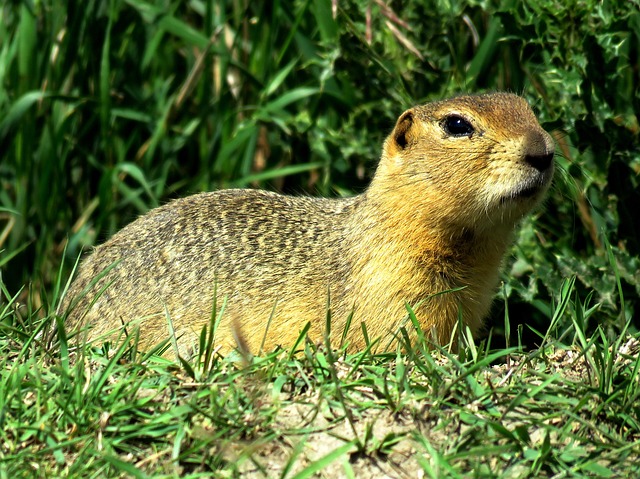
Fresh mounds can make a gopher problem look simple. A homeowner may level the soil or treat the first tunnel found, only to see new damage appear nearby days later. The reason is usually underground. Gophers build branching systems with feeding routes, nesting chambers, escape passages, and older sections that may no longer be active. Reliable gopher control depends on identifying fresh activity and placing treatment inside the working tunnel network. Professionals compare mound patterns, soil condition, plant damage, and irrigation changes before acting. This evidence-based process helps avoid treating abandoned routes while active digging continues elsewhere. Surface Signs Do Not Reveal The Full Tunnel System A mound is displaced soil, not necessarily the center of activity. The plugged opening may sit to one side, and the main tunnel can extend beyond the visible damage. Several mounds may belong to one active animal, while an old tunnel may remain visible after activity has shifted. Professionals look for: Without this comparison, treatment may be placed in an inactive branch. The gopher remains protected elsewhere and continues feeding. Early Damage Requires More Than Mound Removal Flattening mounds may improve the yard’s appearance temporarily, but it does not confirm that underground activity has stopped. Learning to recognize early yard damage helps explain why stressed plants, uneven ground, and irrigation problems deserve attention before the tunnel system expands. Gophers feed on roots, bulbs, grasses, shrubs, and young trees. Tunnels may also expose roots to air, redirect water, or interfere with irrigation lines. By the time another mound appears, damage may already connect several landscape areas. Professional inspection follows the pattern from visible soil to active feeding zones. That step keeps gopher control focused on the cause rather than repeatedly repairing surface damage. Precision Placement Limits Unnecessary Exposure Effective treatment should be based on confirmed activity, not spread broadly across the lawn. Technicians locate working tunnels and place baiting or treatment 100 percent underground. Keeping materials inside verified gopher routes allows the plan to remain precise while reducing disturbance across unaffected areas. A focused service may include: This underground, activity-based placement is designed to minimize exposure to pets, wildlife, and other non-target animals. It also addresses customer concerns about secondary poisoning. No treatment should be described as completely risk-free, but limiting placement to confirmed subterranean routes is intended to reduce secondary-exposure concerns compared with surface-level use. Summer Conditions Can Shift Gopher Activity California summers can make maintained yards more attractive as surrounding vegetation dries. Irrigation softens soil, keeps roots active, and concentrates food in lawns, garden beds, and tree rings. The discussion of summer gopher pressure shows why activity may move or expand as watering routines change. A route that was active earlier may become less important after irrigation shifts, while another yard section becomes a stronger feeding zone. This movement is one reason a one-time placement can miss later activity. Professionals reassess new mounds near irrigated turf, soil softness around drip lines, root damage beyond the original area, fresh movement after watering changes, and signs that neighboring gophers entered older routes. Seasonal observations allow treatment to follow actual movement instead of assuming the tunnel system remains static. Follow-Up Confirms Whether Control Is Working Gopher control should be measured by the absence of fresh activity, not by how the yard looks immediately after service. Old mounds and damaged plants may remain visible even when treatment is working. A smooth surface can also hide continued tunneling below. Follow-up services allow technicians to compare new soil pushes with recorded treatment areas, recheck main runs, and adjust placement when evidence shows activity has shifted. A professional follow-up may involve: Repeat problems often occur because the first response addressed the easiest mound rather than the working system. Gophers may use deeper routes, reopen sealed branches, or move into nearby irrigated areas. Precision-targeted treatment and documented follow-up provide a more dependable answer than repeated surface correction. Pet- and wildlife-friendly planning is strongest when treatment remains underground, evidence-led, and limited to active gopher zones. That approach supports effective service while reducing unnecessary contact with the rest of the property. Stop Treating Mounds And Start Tracking Activity Contact Extreme Gopher & Pest Control for professional inspection, 100-percent underground gopher control, precision placement, and focused follow-up.
5.0 Star Rating  8+ Reviews
 8+ Reviews