 8+ Reviews
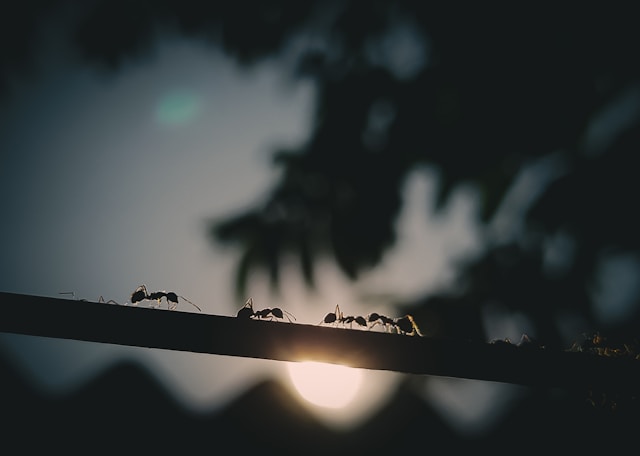
Ant activity in Oxnard follows predictable seasonal patterns, but the intensity and persistence of these patterns often catch homeowners off guard. What begins as a few ants appearing in spring can quickly escalate into widespread ant infestations that affect kitchens, patios, and even structural areas.
From a professional perspective, understanding how ants behave throughout the year is essential for effective control. Seasonal shifts influence where ants nest, how they forage, and how quickly colonies expand. By recognizing these trends early, it becomes possible to reduce activity before it becomes a recurring problem.

Why Ant Activity Changes Throughout the Year
Ants respond directly to environmental conditions such as temperature, moisture, and food availability. In Oxnard, the coastal climate creates a relatively stable environment, but seasonal changes still play a significant role in ant behavior.
- Spring emergence. Warmer temperatures trigger colony expansion and increased foraging.
- Summer peak activity. Ants are highly active as food demand rises.
- Fall adjustments. Colonies begin to shift behavior as conditions change.
- Winter survival. Ants reduce activity but remain present in sheltered areas.
- Moisture influence. Rainfall and humidity affect nesting and movement patterns.
These cycles explain why ant infestations often appear suddenly. Colonies may have been present for some time before visible activity increases.
Common Ant Species Found in Oxnard Homes
Different ant species behave in unique ways, which influences how infestations develop and spread. Identifying the type of ant involved is an important step in determining the most effective approach.
- Argentine ants. Known for forming large colonies and persistent trails.
- Odorous house ants. Attracted to sweet foods and often found indoors.
- Carpenter ants. Can cause structural damage by nesting in wood.
- Pavement ants. Commonly found near foundations and walkways.
- Fire ants. More aggressive and capable of delivering painful stings.
These species often overlap in activity, creating complex infestations that require careful evaluation. In some cases, the presence of ants may also coincide with other pests, as noted in our resource about hidden warning signs.
Understanding species behavior helps guide more targeted and effective solutions.
What Attracts Ants to Residential Properties
Ant infestations are rarely random. They are driven by specific conditions that provide the resources ants need to survive and expand.
- Food availability. Crumbs, spills, and accessible food sources attract foraging ants.
- Moisture presence. Water sources support colony survival.
- Shelter opportunities. Cracks, gaps, and structural spaces provide nesting areas.
- Outdoor conditions. Landscaping and soil conditions influence nesting locations.
- Consistent access. Established trails allow ants to return repeatedly.
These attractants often exist both inside and outside the home. Addressing only one area may not be sufficient to eliminate the problem.
Seasonal Strategies to Reduce Ant Infestations
Preventing ant infestations requires a proactive approach that adapts to seasonal conditions. Each stage of the year presents different challenges and opportunities for control.
- Early spring preparation. Address conditions before colonies expand.
- Summer monitoring. Maintain consistent observation during peak activity.
- Fall adjustments. Prepare for changes in nesting behavior.
- Winter prevention. Reduce indoor shelter opportunities.
- Continuous maintenance. Ensure that conditions remain unfavorable for ants.
As discussed in our resource about ant control comparisons, choosing the right approach depends on the complexity of the infestation and the conditions that support it.
A structured plan ensures that prevention efforts remain effective throughout the year.
Why Professional Pest Control Makes a Difference
Ant infestations often involve hidden colonies that are not immediately visible. While surface activity may be addressed, the underlying problem can persist if the colony remains intact.
Professional pest control specialists take a comprehensive approach. They identify nesting locations, evaluate environmental conditions, and apply treatments that target the colony at its source. This ensures that the infestation is addressed fully rather than temporarily reduced.
In addition to ants, properties may also experience activity from other pests such as rodents, spiders, and insects. Addressing these issues together helps create a more balanced and controlled environment.
Without professional oversight, it can be difficult to achieve long-term results. Repeated infestations are common when underlying conditions remain unchanged.
A structured approach provides consistency and reliability. It ensures that both immediate concerns and future risks are managed effectively.
Where Seasonal Awareness Turns Into Lasting Control
Ant activity in Oxnard follows predictable patterns, but managing it effectively requires more than observation. By understanding seasonal trends and addressing contributing factors early, it becomes possible to reduce the risk of recurring infestations.
Taking a proactive and consistent approach also helps create a more stable environment where ants are less likely to return. When conditions are monitored and adjusted throughout the year, small issues can be addressed before they develop into larger concerns. This level of awareness supports long-term control and helps maintain a cleaner, more manageable living space.For expert solutions and dependable protection, connect with Extreme Gopher & Pest Control to ensure your home is protected with a strategy designed for long-term results and consistent control.
