 8+ Reviews

California summers can be rough on lawns, gardens, and landscaped areas. Heat dries exposed soil, irrigation becomes more frequent, and plant roots become valuable food sources beneath the surface. For gophers, these seasonal changes create a stronger reason to tunnel, feed, and expand underground systems near residential properties.
Gopher activity often looks simple from above: fresh mounds, soft spots, damaged plants, and uneven turf. Below the surface, the problem is more complex. Gophers build tunnel networks that allow them to move safely, feed on roots, and avoid open exposure. That is why gopher control becomes more important during summer, when soil conditions, watering routines, and plant growth can make yards more attractive.
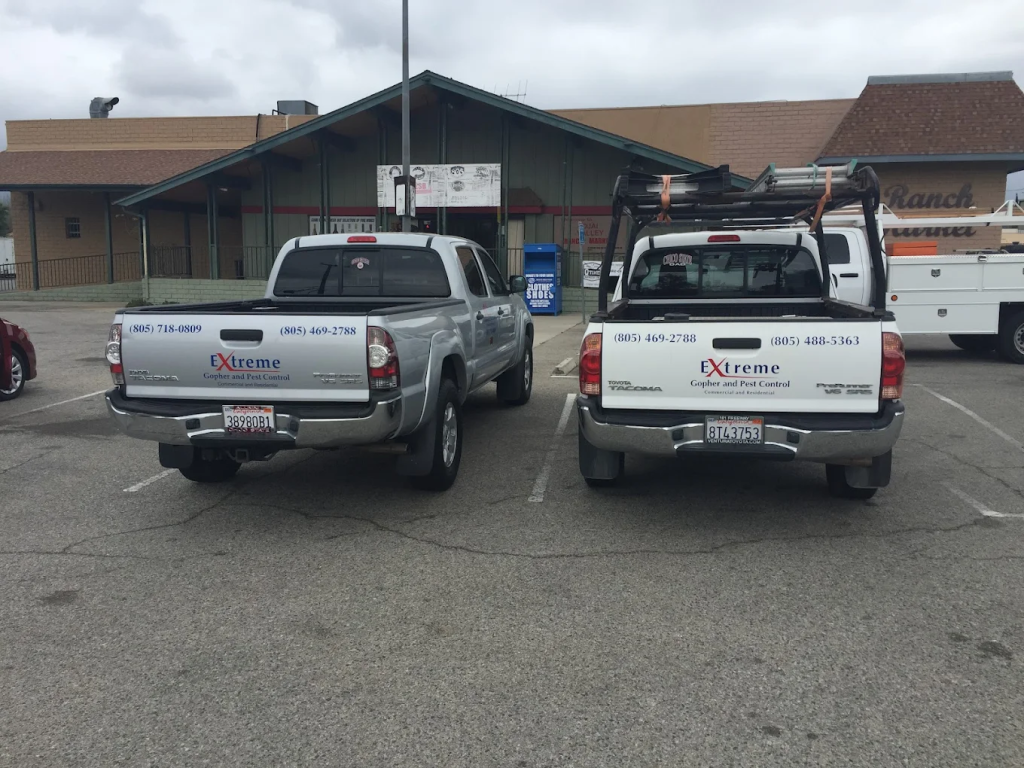
Summer irrigation softens soil and supports tunneling
Dry California summers often lead homeowners to water more frequently. Irrigation helps lawns and gardens survive, but it can also soften the soil enough for easier tunneling. Gophers prefer underground routes that let them reach roots and tubers without coming above ground. When watered, soil stays workable, and tunnel systems can expand faster through lawns, planter beds, and landscaped borders.
Irrigation can also keep root systems active, giving gophers more food in areas that remain green through the heat. A yard may become more appealing than surrounding dry ground because it offers moisture, cover, and fresh plant growth.
- Watering: Frequent irrigation can soften soil and help gophers move through lawns more easily.
- Roots: Healthy summer plants can provide a steady underground food source.
- Borders: Landscape edges, garden beds, and tree rings often create inviting tunneling zones.
- Damage: Mounds, sinking soil, and wilting plants may show where underground activity is growing.
Food sources become more concentrated in maintained yards
As natural vegetation dries out, maintained landscapes may stand out. Lawns, vegetable gardens, ornamental plants, shrubs, and young trees can offer the roots and underground growth gophers need. This is why residential yards can become more vulnerable during hotter months, especially when nearby open land becomes less productive.
Gophers do not need a large visible opening to cause damage. They may feed below the surface while plants weaken from the roots. A shrub can decline suddenly. Turf can collapse underfoot. Irrigation lines may be disturbed by tunneling. These signs often appear after activity has been developing for some time.
Understanding why gophers return matters because the visible mound is rarely the whole issue. This article on recurring gophers explains how underground systems and favorable yard conditions can keep activity active even after surface signs are disturbed.
- Lawns: Green turf can hide feeding and tunneling until the soil becomes uneven.
- Gardens: Vegetables, bulbs, and soft plant roots can attract persistent activity.
- Trees: Young trees and shrubs may decline when roots are damaged below ground.
- Irrigation: Lines and wet soil can guide activity toward planting zones.
Gopher tunnels expand when conditions remain stable
Gophers are solitary, but their tunnel systems can be extensive. During summer, stable conditions in watered yards allow them to stay protected underground while feeding and moving. The surface may only show a few mounds, but the tunnel pattern can cover more space than expected.
This is one reason casual observation can be misleading. A homeowner may remove a mound, level the soil, or replant damaged areas, then see new mounds appear nearby. The problem did not necessarily restart. It may have continued through connected tunnels.
Professional inspection helps identify fresh activity, travel direction, feeding zones, and the best control strategy. It also helps separate gopher damage from other pest concerns, such as rodents, ants, spiders, cockroaches, fleas, ticks, or wasps that may require different treatment plans.
Timing makes summer service more effective
Summer gopher issues should be handled with timing in mind. Activity can change as soil dries, irrigation shifts, plants mature, and landscaping projects disturb the ground. Waiting too long can allow more roots, turf, and irrigation areas to be affected.
A scheduled service visit creates a clearer path forward because the property can be reviewed while evidence is fresh. Homeowners looking for a practical way to arrange help can use this guide on scheduling service to understand how consistent, timely support fits into long-term property protection.
- Inspection: Fresh mounds, tunnel lines, and damaged plants help identify active areas.
- Planning: Service timing can account for watering schedules, landscaping work, and recurring damage.
- Follow-through: Rechecking activity helps confirm whether new signs are developing.
- Protection: Early attention helps reduce further damage to lawns, gardens, and irrigation zones.
Gopher activity increases during California summers because maintained yards offer what dry surroundings often lack: moisture, roots, soft soil, and shelter. The most effective response looks beneath the surface and treats the problem as an active underground system, not just a few mounds.
Protect Your Lawn Before Tunnels Spread
A summer lawn can recover better when gopher activity is addressed before roots, turf, and irrigation areas take heavier damage. For careful inspection, focused treatment, and practical prevention guidance, contact Extreme Gopher & Pest Control.
