 8+ Reviews
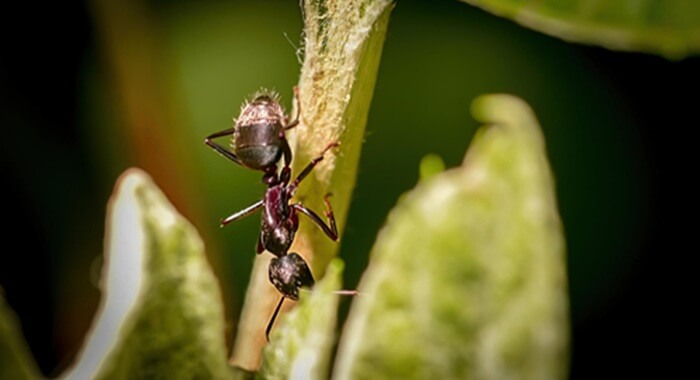
Ants are among the most persistent household pests because they rarely travel alone. What begins as a small trail near a sink, pantry, or window often points to a much larger colony hidden behind walls, beneath concrete, or outside the home. Ant infestations may become more active during warmer months when food sources, moisture, and favorable nesting conditions increase around residential properties.
Effective ant control focuses on stopping the infestation at its source rather than reacting only to visible ants indoors. Long-term prevention depends on understanding how ants travel, where colonies form, and which environmental conditions allow them to continue returning throughout the property.
Outdoor Conditions Often Trigger Indoor Activity
Many homeowners first notice ants inside kitchens, bathrooms, or garages, but colonies often begin outdoors. Landscaping, moisture buildup, and structural gaps can all create favorable conditions that allow ants to move closer to the home over time.
- Soil moisture may support nesting activity near foundations
- Dense vegetation creates protected harborage areas
- Cracks in concrete allow ants to travel indoors
- Standing water attracts multiple pest species
- Exterior food sources may increase colony growth
Ants are highly organized and follow scent trails that lead workers back to food and water sources repeatedly. Once those pathways become established, indoor sightings may continue even after surface cleaning temporarily removes visible ants.
Professional ant control inspections help identify where colonies are nesting and which environmental conditions are contributing to repeated activity. Treating only visible ants rarely resolves the full infestation if outdoor nesting zones remain active nearby.
Kitchens And Moisture Areas Require Close Attention
Ants frequently invade areas where moisture and food access are available consistently. Kitchens, laundry rooms, bathrooms, utility spaces, and pet-feeding areas often become high-activity zones because they provide reliable conditions for survival.
- Crumbs and food residue attract foraging ants
- Leaking pipes create moisture-rich environments
- Pet food bowls may support repeated activity
- Trash storage areas can increase indoor attraction
- Damp cabinets provide protected nesting opportunities
Because ants can enter through extremely small openings, homeowners may not notice the exact point of entry immediately. Utility penetrations, window gaps, foundation cracks, and damaged weather-stripping may all allow movement indoors.
Seasonal weather changes can also influence ant behavior throughout the year. Warmer temperatures, rainfall, and changing moisture conditions often affect colony movement and nesting patterns around homes. Homeowners can better understand these patterns through these seasonal ant patterns affecting residential properties in Oxnard.
Understanding why ants are entering the structure helps support more targeted long-term prevention efforts.
Surface Treatments Rarely Eliminate Colonies Completely
One reason ant infestations continue returning is that many treatment attempts only affect visible worker ants while leaving the colony itself untouched. Colonies may contain thousands of ants hidden inside walls, beneath slabs, within landscaping, or around exterior structures.
- Surface sprays often miss hidden nesting locations
- Colonies may continue reproducing after visible activity decreases
- Untreated outdoor nests allow ants to return repeatedly
- Multiple colonies may exist around the same property
- Incorrect treatment placement limits long-term effectiveness
Professional ant control strategies focus on identifying nesting zones, colony movement patterns, and environmental factors supporting infestation growth. This broader approach often provides more reliable long-term results than reacting only to visible trails inside the home.
Inspections may also reveal additional pest activity contributing to environmental conditions around the property. Rodents, cockroaches, spiders, fleas, ticks, gophers, and other pests often share similar moisture and shelter conditions outdoors.
Because ant infestations can spread gradually, early attention often helps prevent larger recurring problems later.
Long-Term Prevention Depends On Ongoing Monitoring
Ant control works best when homeowners focus on long-term prevention instead of one-time reactionary treatments. Colonies may remain active seasonally, especially when outdoor conditions continue supporting nesting and food access near the home.
- Routine inspections help identify new activity early
- Moisture management reduces favorable nesting conditions
- Exterior maintenance limits access opportunities
- Monitoring improves long-term prevention planning
- Seasonal treatments help reduce recurring infestations
Properties with heavy landscaping, irrigation systems, outdoor food areas, or structural vulnerabilities may require more consistent monitoring throughout warmer seasons. Long-term prevention plans help professionals adjust strategies as environmental conditions change over time.
Professional evaluations also help determine whether the activity involves one isolated colony or broader infestation pressure around the property. Homeowners exploring long-term pest management planning can review these service scheduling tips to better understand how consistent inspections support stronger prevention results.
Because ants often remain hidden until populations grow larger, ongoing monitoring helps uncover developing infestations before they spread further indoors.
Build Stronger Protection Against Recurring Ant Activity
Ant infestations often continue returning when hidden colonies, moisture conditions, and outdoor nesting areas remain untreated around the property. Effective ant control focuses on identifying the source of activity, reducing environmental attractants, and supporting long-term prevention throughout the home. Professional inspections also help uncover hidden vulnerabilities homeowners may easily overlook during routine maintenance. For professional ant control and long-term pest prevention support, contact Extreme Gopher & Pest Control.
