 5 Reviews
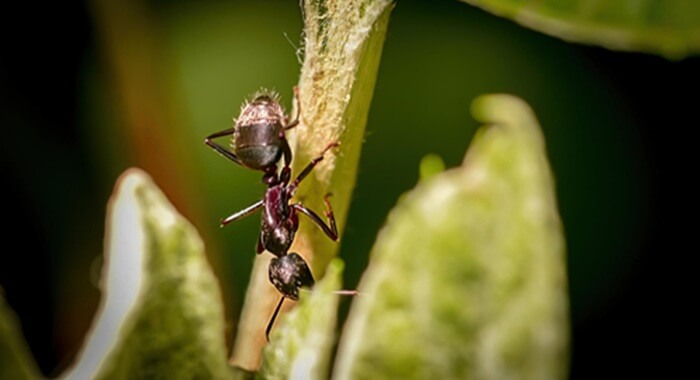
Ant activity is one of the most common pest concerns homeowners face. From kitchen counters to bathroom sinks and exterior foundations, ants can appear quickly and in large numbers. Because of their size and visibility, many residents attempt to address infestations on their own before seeking professional help. While this approach may seem practical at first, ant control is more complex than eliminating visible trails.
Understanding the differences between professional and DIY ant control allows homeowners to make informed decisions about efficiency, safety, and long-term results. When evaluating options, it is important to consider colony behavior, environmental factors, and the broader pest pressures affecting the property.
Understanding How Ant Colonies Operate
Ant infestations are rarely limited to what can be seen. Worker ants represent only a fraction of the colony. Beneath soil, inside wall voids, or under slabs, a larger structure supports the visible activity.
Key characteristics of ant colonies include:
- centralized nests with a queen responsible for reproduction
- satellite colonies that expand as populations grow
- pheromone trails that guide workers to food and water
- rapid reproduction cycles in favorable conditions
Because colonies may exist in multiple locations, eliminating surface ants does not necessarily remove the source. Successful ant control requires identifying nesting sites and disrupting the colony at its origin.
Professional evaluation often includes inspection of foundations, landscaping, moisture sources, and structural gaps. Without this level of assessment, infestations may return even after temporary reduction in activity.
The Appeal and Limitations of DIY Solutions
DIY ant control products are widely available. Sprays, bait stations, powders, and natural remedies are marketed as quick fixes. For minor activity, these tools may reduce visible trails in the short term.
Common limitations of DIY methods include:
- incorrect placement of bait that fails to reach the colony
- surface sprays that scatter ants without eliminating the nest
- inconsistent application leading to partial treatment
- inability to identify the correct ant species
Different species require different strategies. Carpenter ants, for example, may nest inside damp wood, while pavement ants typically establish colonies in soil near foundations. Misidentification can result in ineffective treatment.
In some cases, improper application of over-the-counter products can cause colonies to split and form additional satellite nests. This process, known as budding, can make infestations more difficult to manage.
Residents also face challenges in addressing related pests. Properties experiencing ant issues may also encounter spiders, roaches, rodents, gophers, or other outdoor pests. Integrated pest management considers the entire ecosystem rather than a single visible problem.
When Professional Ant Control Becomes Necessary
Professional ant control focuses on long-term prevention rather than immediate elimination alone. Licensed technicians evaluate the property as a whole and develop a structured plan based on findings.
Professional programs typically include:
- comprehensive interior and exterior inspection
- species identification and targeted treatment selection
- perimeter protection to reduce re-entry
- follow-up visits to monitor effectiveness
This systematic approach reduces the likelihood of recurring infestations. Because ants often exploit moisture, cracks, and landscaping features, professionals also provide guidance on structural improvements that strengthen prevention.
Homes in regions with diverse pest activity may also face issues with gophers, rodents, spiders, cockroaches, and other insects. Professional pest services are equipped to manage multiple species under one cohesive plan, reducing the need for separate treatments.
While DIY methods may appear cost-effective initially, repeated product purchases and ongoing infestations can lead to higher cumulative expenses over time.
Safety, Compliance, and Environmental Considerations
Applying pesticides inside and around the home requires careful attention to safety guidelines. Residents must consider proper dosage, placement, and exposure risks for children and pets.
Professional pest control providers are trained to:
- select products appropriate for specific environments
- apply treatments according to label requirements
- minimize unnecessary exposure
- follow state and local regulations
Improper chemical use can create health concerns and environmental contamination. Professionals balance effectiveness with responsible application.
Additionally, integrated pest management emphasizes monitoring and prevention rather than overuse of chemicals. By addressing attractants and entry points, professionals often reduce the need for frequent applications.
For homeowners concerned about long-term property protection, safety and sustainability are essential considerations in the decision between DIY and professional ant control.
Long-Term Value and Peace of Mind
Ant infestations can disrupt daily life. Persistent trails in kitchens or patios create frustration and uncertainty. Repeated DIY attempts without lasting results can increase stress.
Professional ant control offers several long-term advantages:
- structured monitoring to detect early signs of recurrence
- documentation of service visits and findings
- consistent barrier protection
- coordinated treatment for related pests
The value of professional service lies not only in eliminating current activity but also in preventing future invasions. Scheduled maintenance plans help ensure that seasonal changes or environmental shifts do not trigger new infestations.
Residents must weigh immediate cost savings against durability of results. In many cases, investing in professional expertise provides greater efficiency and reduces repeated disruptions.
Ready for a Lasting Solution?
If ant activity continues to return despite your efforts, contact Extreme Gopher & Pest Control to discuss a professional ant control plan tailored to your property and local pest pressures.
