 5 Reviews
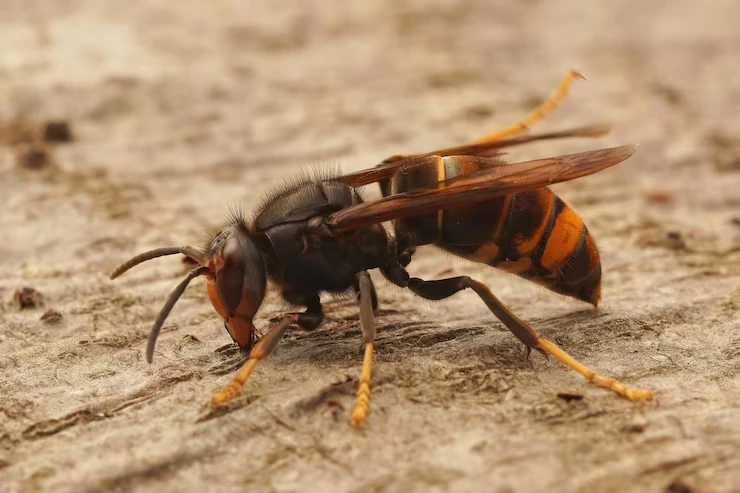
Southern California’s warm climate allows wasps to remain active for much of the year. While these insects play a role in controlling other pests, their presence near homes, patios, and outdoor living areas can quickly become a safety concern. Stings are painful, and some species can become aggressive when nests are disturbed.
Understanding what draws wasps into residential yards is the first step toward effective wasp removal. From landscaping choices to moisture sources, certain environmental conditions create ideal nesting opportunities. Professionals evaluate these factors carefully before developing a plan that reduces attraction and addresses active colonies safely.
Warm Weather And Long Active Seasons
Southern California’s mild winters and extended warm seasons give wasps a longer window to establish and expand colonies. Unlike colder regions where activity drops sharply, local wasp populations can begin building nests in early spring and continue into late fall.
Several species commonly encountered in the region prefer:
- Protected roof eaves, patio covers, and overhangs
- Attics and wall voids with small entry gaps
- Dense shrubs and trees that offer concealment
- Ground cavities or abandoned rodent burrows
Early in the season, a single queen begins constructing a small nest. As temperatures rise, worker wasps emerge and expand the colony. By mid to late summer, nests may contain hundreds of individuals.
Because colonies grow steadily over time, early identification is important. Professional inspections focus on both visible nests and hidden structural voids that may not be obvious from ground level.
Food Sources That Invite Wasp Activity
Wasps are highly motivated by accessible food. During different stages of their lifecycle, they seek both protein and sugary substances.
Common attractants include:
- Outdoor trash bins that are not tightly sealed
- Pet food bowls left outside
- Fallen fruit beneath citrus or ornamental trees
- Barbecue residue on grills and patio furniture
- Sweet beverages during outdoor gatherings
In spring and early summer, wasps hunt insects to feed developing larvae. As the season progresses, adult wasps shift toward sugary foods. This change often explains why activity increases around outdoor events later in the year.
Professionals assess these attractants when evaluating a property. Reducing access to food is part of long term management, but once a colony is established, direct wasp removal may still be necessary to resolve the issue fully.
Water And Irrigation Patterns
Moisture is another key factor in Southern California yards. Even in drier climates, irrigation systems and decorative water features provide reliable hydration for wasps.
Attractive water sources may include:
- Dripping hose bibs or irrigation lines
- Birdbaths and fountains
- Pool edges and damp deck surfaces
- Overwatered landscaping that creates persistent moisture
Wasps use water to cool their nests and maintain internal temperature. During hot months, accessible water becomes even more valuable to a colony.
Professionals often identify minor leaks or irrigation patterns that homeowners may overlook. Correcting these conditions can reduce attractiveness, but addressing an existing nest requires specialized handling to prevent defensive behavior.
Structural Features That Encourage Nesting
Wasps look for stable, sheltered locations to build nests. Residential construction in Southern California frequently provides these protected areas.
Common nesting sites include:
- Gaps beneath roof tiles
- Openings around vents and utility penetrations
- Wooden beams and patio covers
- Sheds and detached garages
- Dense hedges near entry points
Paper wasps often construct umbrella-shaped nests under eaves, while yellowjackets may nest underground or inside wall voids. Some species are more aggressive than others, especially when defending their colonies.
Attempting to disturb a nest without proper equipment can trigger swarming behavior. Professional wasp removal strategies focus on timing, protective measures, and precise treatment to minimize risk. Technicians evaluate colony size, location, and species before determining the safest course of action.
Why Professional Assessment Matters
While preventive steps such as sealing trash bins and adjusting irrigation can reduce attraction, established nests require careful management. Wasps communicate through pheromones, and disturbances can escalate quickly.
Professional pest technicians approach wasp removal methodically. The process typically includes:
- Identifying the exact species involved
- Determining whether the nest is active and assessing its size
- Selecting appropriate materials and application methods
- Treating during times of reduced activity when feasible
- Inspecting surrounding structures for secondary nests
In addition to wasps, trained technicians in Southern California frequently manage ants, spiders, rodents, gophers, cockroaches, and other structural or landscape pests. Integrated strategies ensure that treatment for one pest does not unintentionally create conditions favorable for another.
For example, sealing rodent burrows may reduce ground-nesting opportunities for yellowjackets. Addressing moisture issues that attract cockroaches can also reduce prey availability for wasps. Coordinated pest management protects the entire property rather than addressing isolated symptoms.
Because wasps can sting repeatedly, and some individuals may experience allergic reactions, safety is a primary consideration. Protective equipment and professional-grade materials are applied in a controlled manner, reducing the likelihood of injury or incomplete treatment.
Long-term success involves more than eliminating a visible nest. Monitoring surrounding areas, identifying early signs of rebuilding, and implementing exclusion measures help prevent recurring activity in future seasons.
Take Back Your Outdoor Comfort
If wasps are building nests around your Southern California property, professional guidance can restore safety and reduce future attraction. For experienced assistance and reliable service, contact Extreme Gopher & Pest Control.
