 8+ Reviews
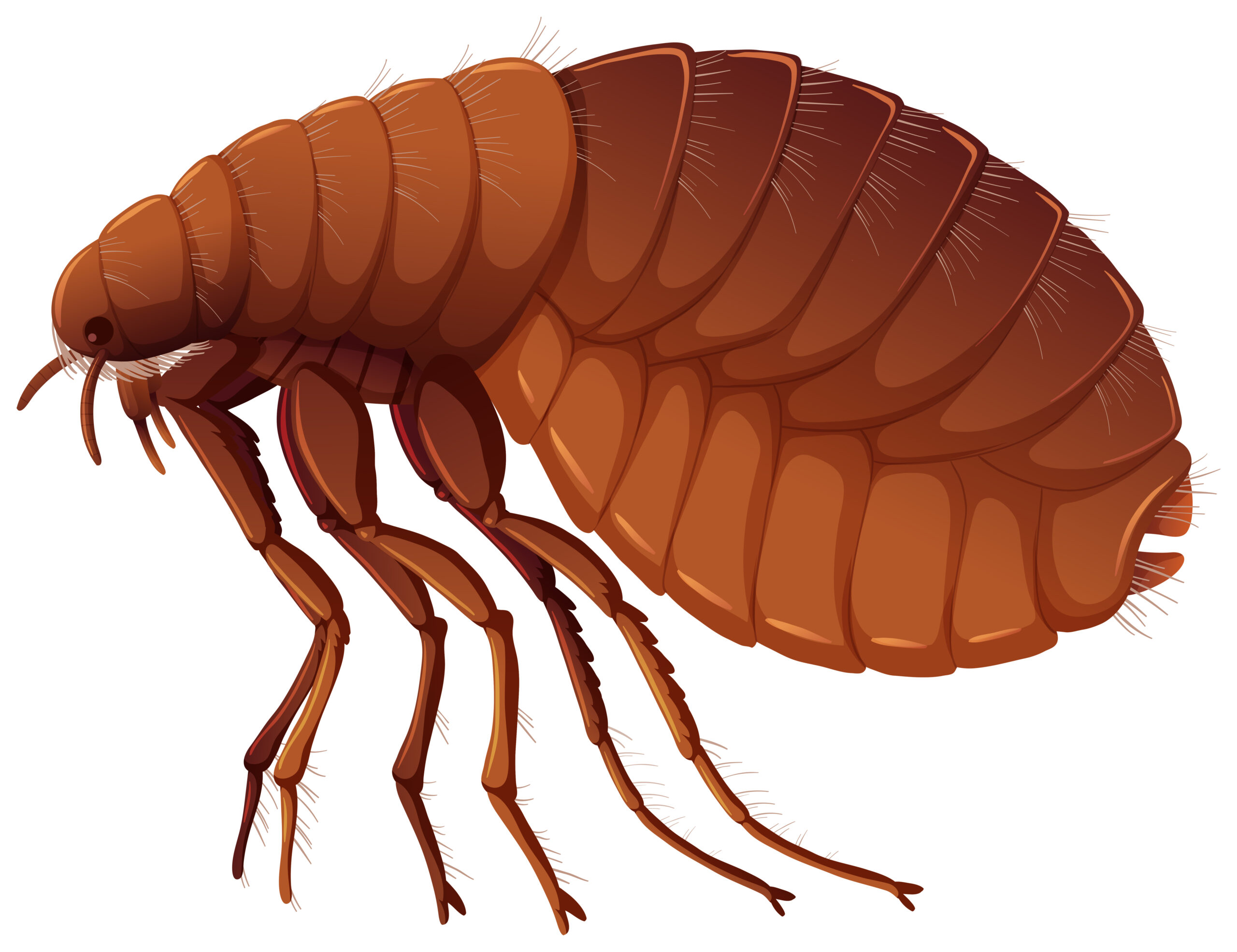
Fleas are often associated with pets, but their presence in a home goes far beyond what is visible on animals. While treating pets is an important first step, it addresses only a small portion of the problem. A true Flea Control strategy must consider the entire environment where fleas live, reproduce, and spread.
From an expert perspective, fleas are persistent pests that thrive in hidden areas. Their lifecycle allows them to remain undetected while continuing to multiply. Without addressing all stages of development and all affected spaces, flea activity can return quickly, even after pets have been treated.
Understanding why Flea Control extends beyond pets is essential for achieving lasting results and preventing repeated infestations.

How Fleas Live and Spread Inside a Home
Fleas are highly adaptable and capable of spreading throughout a property in a short period. Once introduced, they do not remain confined to pets. Instead, they move into surrounding areas where conditions support their lifecycle.
- Eggs fall off pets. Flea eggs drop into carpets, furniture, and flooring
- Larvae hide in dark areas. They settle in cracks, baseboards, and soft materials
- Pupae develop undetected. Protective cocoons allow fleas to survive for extended periods
- Adults seek hosts. Fleas return to pets or humans for feeding
- Rapid reproduction. A single flea can lead to a large population within weeks
This cycle explains why treating pets alone is not enough. While adult fleas may be removed temporarily, eggs and larvae continue to develop in the environment, leading to reinfestation.
Fleas often share environments with other pests that thrive in similar conditions. In our recent article on insect activity patterns, we explored further how seasonal changes influence pest behavior.
Why Treating Pets Alone Is Not Enough
Pet treatments focus primarily on adult fleas, but they do not eliminate the hidden stages of the lifecycle. This creates a gap in Flea Control efforts that allows infestations to persist.
- Environmental contamination. Eggs and larvae remain in carpets and upholstery
- Delayed hatching. Pupae can emerge weeks after initial treatment
- Continuous exposure. Pets may pick up fleas again from untreated areas
- Hidden populations. Fleas remain in places that are not easily visible
- Repeated cycles. New generations develop even after initial treatment
These factors make it clear that Flea Control must go beyond the pet itself. Addressing only one part of the problem often leads to frustration, as fleas seem to reappear without warning.
A more comprehensive approach is needed to break the cycle completely.
Key Areas Where Fleas Thrive Indoors
Fleas tend to concentrate in areas that provide warmth, shelter, and access to hosts. Identifying these locations is critical for effective Flea Control.
- Carpets and rugs. Fibers trap eggs and provide protection for larvae
- Upholstered furniture. Cushions and seams offer ideal hiding spots
- Pet bedding. Frequent contact areas accumulate flea activity
- Baseboards and cracks. Dark spaces allow larvae to develop undisturbed
- Under furniture. Low-traffic areas provide consistent shelter
These environments allow fleas to remain active even when pets are treated. Without addressing these spaces, infestations can continue to grow.
Understanding how pests behave in hidden areas is essential. In our blog post on treatment comparisons, the importance of addressing the full scope of pest activity is discussed in more detail.
How Professional Flea Control Targets the Full Lifecycle
Effective Flea Control requires a strategy that addresses every stage of the flea lifecycle. Professional pest control services are designed to provide this level of coverage.
The process begins with a detailed inspection to identify where fleas are most active. This includes both visible areas and hidden spaces where eggs and larvae may be present.
Targeted treatments are then applied to affected areas. These treatments are designed to reach beyond the surface, addressing not only adult fleas but also developing stages. By interrupting the lifecycle, the population is reduced more effectively.
Another important element is timing. Treatments are often scheduled in phases to align with the lifecycle of fleas. This ensures that newly emerging fleas are addressed before they can reproduce.
Environmental adjustments also play a role. Reducing moisture, improving cleanliness, and managing pet areas help create conditions that are less favorable for fleas.
This comprehensive approach is what allows Flea Control to deliver lasting results rather than temporary relief.
Why Consistent Monitoring Prevents Reinfestation
Flea infestations can reappear if conditions remain favorable. Monitoring is essential for ensuring that Flea Control efforts remain effective over time.
Regular assessments help identify early signs of activity before they become widespread. This allows for timely intervention and prevents the infestation from restarting.
Monitoring also provides insight into how treatments are performing. Adjustments can be made based on changes in pest behavior, ensuring that control measures remain effective.
Without ongoing attention, even a well-managed infestation can return. Fleas are resilient, and their ability to remain hidden makes them difficult to eliminate completely without consistent follow-up.
Where Complete Control Begins
Flea Control is not just about treating pets. It is about addressing the entire environment where fleas live and reproduce. A comprehensive approach ensures that every stage of the lifecycle is managed effectively.For thorough and reliable pest control solutions, contact Extreme Gopher & Pest Control and take the next step toward a cleaner, more comfortable home.
