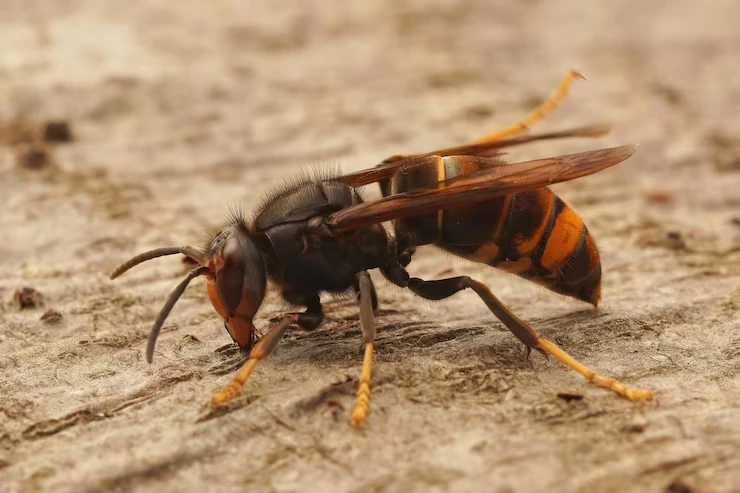
Warm weather changes the pace of a wasp colony. As temperatures rise, queens establish nests, workers emerge in greater numbers, and colonies expand their search for food, water, and building material. This increase matters because wasps often build near eaves, patios, fences, sheds, play equipment, and other frequently used spaces. Effective wasp control starts with identifying the nest, assessing surrounding conditions, and choosing a response that reduces sting risk and repeated activity. Warm Temperatures Accelerate Colony Growth Most social wasp colonies begin with a queen that survives the colder months and starts a new nest when conditions become favorable. Early in the season, she handles nest construction, egg-laying, and feeding the first larvae. Once workers mature, they take over foraging and nest expansion, allowing the queen to produce more offspring. As the colony grows, activity becomes easier to notice. Several warm-weather factors support this increase: A nest that seems quiet in early spring may contain a much larger population weeks later. Greater numbers also mean more movement around entry points and nesting zones. Food, Water, and Shelter Keep Wasps Close Warm-weather landscapes often provide exactly what wasps need. Food sources, standing water, and sheltered structures can support repeated foraging. Pools and children’s activity areas deserve particular attention because people may unknowingly move close to feeding or nesting zones. Wasps attracted to water, food residue, shade, or protected structures can create accidental encounters. This overview of summer sting risks explains why pools and play spaces can become especially concerning when warm-weather activity intensifies. Nest placement also affects how noticeable a colony becomes. A visible paper nest beneath an eave is easier to recognize than activity inside a wall void, hollow post, shed, or concealed space. Larger Colonies Become More Defensive As a colony develops, more workers become available to guard the nest and react to perceived threats. Normal household activities can become risky when they occur close to a hidden nest. Common situations that may trigger defensive behavior include: Wasps can react quickly when they sense vibration, movement, or direct interference near the colony. The danger is not limited to the first sting, particularly when multiple workers respond at once. The location, colony size, species, and human activity around the nest should all be considered before treatment. Professional assessment helps determine where the activity originates and which surrounding areas require attention. Why Quick Removal Does Not Always Solve the Problem A visible nest may look like the entire issue, but successful wasp control requires a broader view. The colony may occupy a concealed space, have a difficult-to-reach entrance, or be positioned where disturbance increases exposure. Treating only what is visible can leave active wasps or favorable nesting conditions behind. A structured professional approach may include: The safety difference becomes especially important during peak activity. This guide to safer wasp removal explains how inspection, protective equipment, precise treatment, and long-term prevention contribute to a more controlled response. Long-Term Wasp Control Starts With the Whole Property Warm weather strengthens the conditions that allow wasp colonies to grow, forage, and defend their nesting space. That is why long-term results depend on more than one-time nest removal. A thorough inspection considers rooflines, eaves, fences, wall gaps, patios, sheds, landscaping, trash areas, water sources, and other places where wasps may feed or establish nests. The objective is to identify active pressure points and reduce conditions that make repeated nesting more likely. This property-wide approach can also help professionals distinguish wasp activity from other pest concerns, including ants, cockroaches, fleas, ticks, gophers, rodents, and spiders. When a colony is active, timing matters. Warmer conditions can support rapid growth, while a nest near an entrance, play area, pool, patio, or walkway raises the chance of close contact. Early professional evaluation can make the response more precise, controlled, and better suited to the property’s layout. Keep Warm-Weather Wasp Activity From Escalating A growing wasp nest can quickly turn a familiar outdoor area into a high-risk space. Contact Extreme Gopher & Pest Control for professional wasp control focused on safe treatment, careful inspection, and long-term prevention.
5.0 Star Rating  8+ Reviews
 8+ Reviews