 8+ Reviews
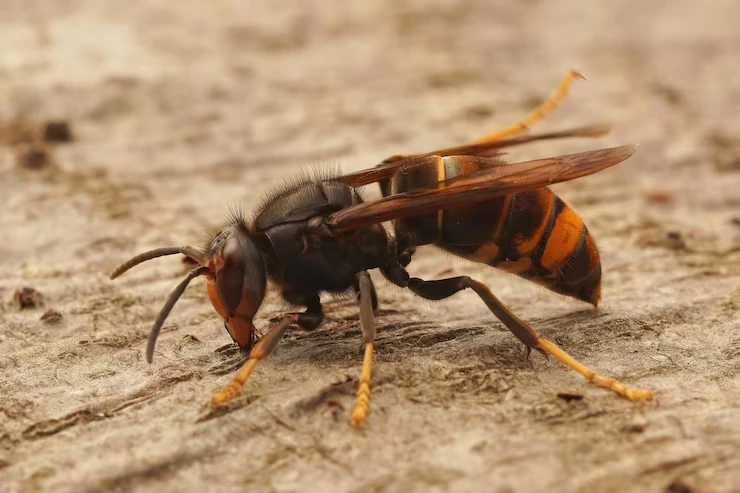
Warm weather changes the pace of a wasp colony. As temperatures rise, queens establish nests, workers emerge in greater numbers, and colonies expand their search for food, water, and building material. This increase matters because wasps often build near eaves, patios, fences, sheds, play equipment, and other frequently used spaces. Effective wasp control starts with identifying the nest, assessing surrounding conditions, and choosing a response that reduces sting risk and repeated activity. Warm Temperatures Accelerate Colony Growth Most social wasp colonies begin with a queen that survives the colder months and starts a new nest when conditions become favorable. Early in the season, she handles nest construction, egg-laying, and feeding the first larvae. Once workers mature, they take over foraging and nest expansion, allowing the queen to produce more offspring. As the colony grows, activity becomes easier to notice. Several warm-weather factors support this increase: A nest that seems quiet in early spring may contain a much larger population weeks later. Greater numbers also mean more movement around entry points and nesting zones. Food, Water, and Shelter Keep Wasps Close Warm-weather landscapes often provide exactly what wasps need. Food sources, standing water, and sheltered structures can support repeated foraging. Pools and children’s activity areas deserve particular attention because people may unknowingly move close to feeding or nesting zones. Wasps attracted to water, food residue, shade, or protected structures can create accidental encounters. This overview of summer sting risks explains why pools and play spaces can become especially concerning when warm-weather activity intensifies. Nest placement also affects how noticeable a colony becomes. A visible paper nest beneath an eave is easier to recognize than activity inside a wall void, hollow post, shed, or concealed space. Larger Colonies Become More Defensive As a colony develops, more workers become available to guard the nest and react to perceived threats. Normal household activities can become risky when they occur close to a hidden nest. Common situations that may trigger defensive behavior include: Wasps can react quickly when they sense vibration, movement, or direct interference near the colony. The danger is not limited to the first sting, particularly when multiple workers respond at once. The location, colony size, species, and human activity around the nest should all be considered before treatment. Professional assessment helps determine where the activity originates and which surrounding areas require attention. Why Quick Removal Does Not Always Solve the Problem A visible nest may look like the entire issue, but successful wasp control requires a broader view. The colony may occupy a concealed space, have a difficult-to-reach entrance, or be positioned where disturbance increases exposure. Treating only what is visible can leave active wasps or favorable nesting conditions behind. A structured professional approach may include: The safety difference becomes especially important during peak activity. This guide to safer wasp removal explains how inspection, protective equipment, precise treatment, and long-term prevention contribute to a more controlled response. Long-Term Wasp Control Starts With the Whole Property Warm weather strengthens the conditions that allow wasp colonies to grow, forage, and defend their nesting space. That is why long-term results depend on more than one-time nest removal. A thorough inspection considers rooflines, eaves, fences, wall gaps, patios, sheds, landscaping, trash areas, water sources, and other places where wasps may feed or establish nests. The objective is to identify active pressure points and reduce conditions that make repeated nesting more likely. This property-wide approach can also help professionals distinguish wasp activity from other pest concerns, including ants, cockroaches, fleas, ticks, gophers, rodents, and spiders. When a colony is active, timing matters. Warmer conditions can support rapid growth, while a nest near an entrance, play area, pool, patio, or walkway raises the chance of close contact. Early professional evaluation can make the response more precise, controlled, and better suited to the property’s layout. Keep Warm-Weather Wasp Activity From Escalating A growing wasp nest can quickly turn a familiar outdoor area into a high-risk space. Contact Extreme Gopher & Pest Control for professional wasp control focused on safe treatment, careful inspection, and long-term prevention.
The Dangers of Wasps Around Pools and Play Areas This Summer
Pools and play areas are built for comfort, movement, and family time, but summer wasp activity can quickly change the mood of those spaces. Wasps are drawn to the same outdoor conditions people enjoy: warmth, water, shade, food, and protected nesting areas. Around a pool deck, swing set, patio, pergola, fence line, or shaded corner, a small amount of activity can become a serious concern when children, pets, and guests are nearby. Wasp control becomes especially important when nests develop close to places where people gather. Unlike some pests that hide and avoid contact, wasps can become defensive when their nest is disturbed. Understanding these risks helps homeowners take summer wasp pressure seriously before stings, panic, or repeat activity disrupt outdoor routines. Pools Attract Wasps For Water, Shade, And Food Pools can unintentionally create a wasp-friendly setting. Wasps need water during hot weather, and pool areas often provide moisture, spills, shade, and food residue from outdoor gatherings. They may land near water features, drains, pool toys, trash bins, or eating areas before nesting nearby. The danger grows because people around pools are often barefoot, distracted, or moving quickly. A sting near wet surfaces can cause sudden movement, slipping, or panic, especially for children. When wasps appear repeatedly, the issue should be evaluated as more than a temporary nuisance. Play Areas Create Higher Sting Risks Play areas can make wasp encounters more unpredictable. Children run, climb, swing, shout, and grab surfaces without checking for hidden nests. Wasps may build under playhouses, in hollow posts, near fence corners, inside sheds, or beneath rooflines close to outdoor toys. Because children may not recognize warning signs, the risk of accidental nest disturbance is higher. Professional service is safer because wasp behavior can change quickly once a nest is threatened. The risk is not only the first sting. Multiple wasps may defend the area, and some people may have stronger reactions to stings than expected. For homeowners weighing the danger of handling nests themselves, this overview of safer wasp removal explains why experience, protective equipment, and proper treatment matter. Nest Location Determines The Level Of Danger The same wasp problem can carry different risks depending on where the nest is located. A nest high in a tree away from daily activity is different from one under a deck rail, near a gate, inside a wall void, or attached to playground equipment. Around pools and play areas, location matters because people pass close to the nest repeatedly. Wasp activity often increases as colonies grow through the season. A nest that seemed small in spring may become more active by summer. For timing and treatment insight, this guide to spring wasp methods shows why early identification and proper removal can reduce later risk. Lasting Protection Requires More Than Nest Removal Removing the visible nest is only one part of the solution. Wasps may rebuild when food sources, nesting surfaces, and sheltered areas remain attractive. A long-term plan reviews the full outdoor environment, including patios, pool equipment zones, rooflines, fences, storage areas, landscaping, and play structures. Professional inspection can also identify related pest pressure around the property, including ants, cockroaches, fleas, ticks, gophers, rodents, spiders, and general household pest concerns. These issues are different from wasps, but they may share outdoor attractants such as food, shelter, clutter, and access points. The goal is practical protection. Families should be able to use pools and play areas with fewer interruptions, less uncertainty, and a clearer understanding of where wasps may return. A structured approach can include nest identification, targeted treatment, follow-up guidance, and prevention recommendations shaped around how the outdoor space is used. Make Outdoor Spaces Safer For Summer Wasps around pools and play areas can create avoidable sting risks when nests, food sources, and high-traffic spaces overlap. For safer wasp service and broader outdoor pest protection, contact Extreme Gopher & Pest Control for professional services.
Why Professional Wasp Control Is Safer Than DIY Removal
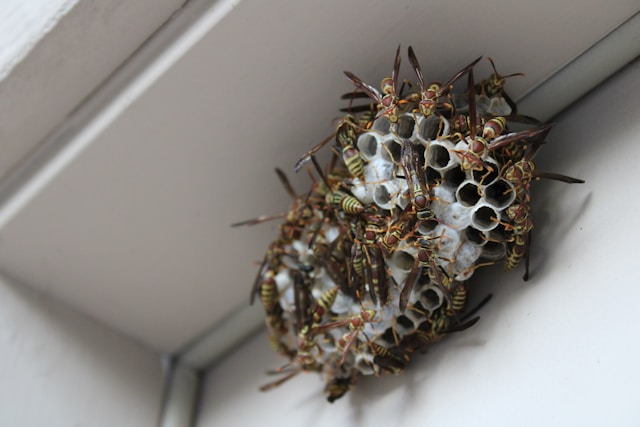
Wasp activity tends to increase during warmer months, especially in areas where outdoor spaces provide shelter and food sources. While spotting a nest may seem like a manageable issue at first, attempting to handle it without proper knowledge can quickly become dangerous. Wasps are highly defensive, and even minor disturbances can trigger aggressive behavior. Wasp control requires a structured, safety-focused approach that considers both immediate risks and long-term prevention. Understanding why professional service is safer than DIY removal helps highlight the importance of handling these situations with care. The Risks Associated With DIY Wasp Removal Many homeowners initially consider a one-time solution when dealing with wasps. However, DIY methods often overlook key safety concerns that can escalate quickly. Common risks include: Wasps react aggressively when they perceive a threat. Without proper protective equipment and experience, even a small mistake can result in multiple stings. In addition, DIY methods often fail to eliminate the entire colony. This can lead to recurring activity and increased risk over time. Why Wasps Are More Dangerous Than They Appear Wasps are not just a nuisance. Their behavior and nesting habits make them particularly challenging to manage without professional assistance. Key factors that increase risk include: Unlike other pests, wasps actively defend their territory. This makes approaching a nest especially risky without proper planning. Understanding how seasonal changes affect wasp behavior is also important. This overview of spring wasp removal methods explains how activity levels shift and why timing plays a role in effective control. Recognizing these risks helps explain why a more structured approach is necessary. How Professional Wasp Control Reduces Risk Professional wasp control focuses on minimizing danger while effectively addressing the problem. It involves a combination of inspection, targeted treatment, and follow-up measures. Key advantages of professional service include: This approach ensures that the issue is handled in a controlled and efficient manner. Instead of reacting to the presence of wasps, professionals follow a step-by-step process that reduces risk at every stage. In addition, professional services are designed to address both visible nests and hidden activity, providing a more comprehensive solution. The Importance Of Long-Term Pest Control Strategies Wasp control is not just about removing a nest. It also involves preventing future activity by addressing the conditions that attract wasps in the first place. Effective long-term strategies include: These measures help create an environment that is less appealing to wasps. They also reduce the likelihood of recurring problems. A long-term approach ensures that wasp control remains effective beyond a single treatment. This is especially important in areas where pest activity is influenced by environmental factors. Understanding how structured service plans support this process is helpful. This guide on scheduling pest services highlights how consistent service contributes to better long-term results. Why Professional Expertise Makes A Difference Handling wasps requires more than basic tools or products. It involves understanding behavior, identifying risks, and applying treatments with precision. Professional expertise provides: This level of expertise ensures that wasp control is both effective and safe. It also reduces the likelihood of repeated infestations, which can occur when nests are not fully addressed. Professional services take a proactive approach, focusing on both immediate removal and long-term protection. A Safer And More Reliable Approach To Wasp Control Wasp activity can escalate quickly, especially during peak seasons. Attempting to manage the situation without proper knowledge often leads to unnecessary risk and incomplete results. Professional wasp control provides a safer alternative by combining experience, equipment, and structured methods. It ensures that the problem is handled thoroughly while minimizing danger. By focusing on both removal and prevention, this approach creates a more stable and controlled environment. It also provides greater confidence that the issue will not return. Choose a safer path to lasting protection If you are dealing with wasp activity and want a more reliable solution, a professional approach can make a meaningful difference. Connect with Extreme Gopher & Pest Control to explore wasp control services designed for safe, effective, and long-term results.
What Are The Best Professional Wasp Removal Methods For Spring?
Spring marks the beginning of heightened wasp activity, as colonies emerge and begin establishing new nests. During this period, wasps become more visible around homes, outdoor structures, and landscaped areas. While early activity may seem manageable, it often signals the start of larger wasp infestations that can escalate quickly if not addressed properly. From a professional standpoint, wasp control requires more than simply removing visible nests. Effective solutions focus on understanding nesting behavior, identifying attractants, and applying targeted methods that prevent colonies from returning. Addressing wasp infestations early in the season is one of the most reliable ways to maintain safety and long-term control. Why Wasp Activity Increases During Spring Spring creates ideal conditions for wasps to begin building nests and expanding their populations. Warmer temperatures and increased food availability encourage rapid development. These conditions allow wasp populations to establish themselves before they are fully noticed. Early intervention is essential, as small nests can quickly develop into larger colonies that are more difficult to manage. Environmental factors also play a role in attracting wasps. For example, certain yard conditions and food sources can significantly increase activity, as explained in our resource on common wasp attractants, where even minor changes in the environment can influence infestation levels. Common Nesting Areas Around Residential Properties Wasps tend to build nests in areas that provide protection from the weather and easy access to food. Many of these locations are hidden or difficult to inspect without proper experience. These nesting sites often go unnoticed during the early stages of colony growth. By the time activity becomes visible, the nest may already be well established. Identifying these locations accurately is a critical step in managing wasp infestations effectively. Professional Methods Used To Remove Wasp Infestations Professional wasp removal relies on a combination of targeted treatments and strategic application methods. These approaches are designed to eliminate active colonies while minimizing risk. These methods are carefully selected based on the size, location, and severity of the infestation. Surface-level removal alone is rarely sufficient, as it may leave portions of the colony active. Professional approaches focus on addressing the entire nest structure and surrounding environment, ensuring that the infestation is fully resolved. Why Professional Intervention Is More Effective Than Reactive Measures Wasp infestations can become hazardous if handled without proper knowledge and equipment. Attempting to address nests without a structured approach often leads to incomplete results and increased risk. These factors highlight the importance of a comprehensive approach to wasp control. Professional methods are designed to reduce risk while achieving more consistent results. For additional insight into effective pest management strategies, our broader pest control insights provide useful information on handling various pest challenges throughout the year. Long-Term Prevention Strategies To Reduce Future Activity Successful wasp control extends beyond removing existing nests. Long-term prevention focuses on reducing the conditions that attract wasps and support nesting. These strategies help create an environment that is less attractive to wasps, reducing the likelihood of recurring infestations. Consistent monitoring and maintenance play a key role in maintaining control, especially during peak seasons when wasp activity is at its highest. Take A Smarter Approach To Wasp Control This Season Wasp infestations can escalate quickly during spring, but early action and professional methods provide a clear path to control and prevention. Addressing both visible nests and underlying conditions ensures more reliable, long-term results.If you are ready to handle wasp activity with a more effective and structured approach, reach out to Extreme Gopher & Pest Control and let us help you protect your space with confidence.
What Attracts Wasps To Your Yard In Southern California
Southern California’s warm climate allows wasps to remain active for much of the year. While these insects play a role in controlling other pests, their presence near homes, patios, and outdoor living areas can quickly become a safety concern. Stings are painful, and some species can become aggressive when nests are disturbed. Understanding what draws wasps into residential yards is the first step toward effective wasp removal. From landscaping choices to moisture sources, certain environmental conditions create ideal nesting opportunities. Professionals evaluate these factors carefully before developing a plan that reduces attraction and addresses active colonies safely. Warm Weather And Long Active Seasons Southern California’s mild winters and extended warm seasons give wasps a longer window to establish and expand colonies. Unlike colder regions where activity drops sharply, local wasp populations can begin building nests in early spring and continue into late fall. Several species commonly encountered in the region prefer: Early in the season, a single queen begins constructing a small nest. As temperatures rise, worker wasps emerge and expand the colony. By mid to late summer, nests may contain hundreds of individuals. Because colonies grow steadily over time, early identification is important. Professional inspections focus on both visible nests and hidden structural voids that may not be obvious from ground level. Food Sources That Invite Wasp Activity Wasps are highly motivated by accessible food. During different stages of their lifecycle, they seek both protein and sugary substances. Common attractants include: In spring and early summer, wasps hunt insects to feed developing larvae. As the season progresses, adult wasps shift toward sugary foods. This change often explains why activity increases around outdoor events later in the year. Professionals assess these attractants when evaluating a property. Reducing access to food is part of long term management, but once a colony is established, direct wasp removal may still be necessary to resolve the issue fully. Water And Irrigation Patterns Moisture is another key factor in Southern California yards. Even in drier climates, irrigation systems and decorative water features provide reliable hydration for wasps. Attractive water sources may include: Wasps use water to cool their nests and maintain internal temperature. During hot months, accessible water becomes even more valuable to a colony. Professionals often identify minor leaks or irrigation patterns that homeowners may overlook. Correcting these conditions can reduce attractiveness, but addressing an existing nest requires specialized handling to prevent defensive behavior. Structural Features That Encourage Nesting Wasps look for stable, sheltered locations to build nests. Residential construction in Southern California frequently provides these protected areas. Common nesting sites include: Paper wasps often construct umbrella-shaped nests under eaves, while yellowjackets may nest underground or inside wall voids. Some species are more aggressive than others, especially when defending their colonies. Attempting to disturb a nest without proper equipment can trigger swarming behavior. Professional wasp removal strategies focus on timing, protective measures, and precise treatment to minimize risk. Technicians evaluate colony size, location, and species before determining the safest course of action. Why Professional Assessment Matters While preventive steps such as sealing trash bins and adjusting irrigation can reduce attraction, established nests require careful management. Wasps communicate through pheromones, and disturbances can escalate quickly. Professional pest technicians approach wasp removal methodically. The process typically includes: In addition to wasps, trained technicians in Southern California frequently manage ants, spiders, rodents, gophers, cockroaches, and other structural or landscape pests. Integrated strategies ensure that treatment for one pest does not unintentionally create conditions favorable for another. For example, sealing rodent burrows may reduce ground-nesting opportunities for yellowjackets. Addressing moisture issues that attract cockroaches can also reduce prey availability for wasps. Coordinated pest management protects the entire property rather than addressing isolated symptoms. Because wasps can sting repeatedly, and some individuals may experience allergic reactions, safety is a primary consideration. Protective equipment and professional-grade materials are applied in a controlled manner, reducing the likelihood of injury or incomplete treatment. Long-term success involves more than eliminating a visible nest. Monitoring surrounding areas, identifying early signs of rebuilding, and implementing exclusion measures help prevent recurring activity in future seasons. Take Back Your Outdoor Comfort If wasps are building nests around your Southern California property, professional guidance can restore safety and reduce future attraction. For experienced assistance and reliable service, contact Extreme Gopher & Pest Control.
