 8+ Reviews
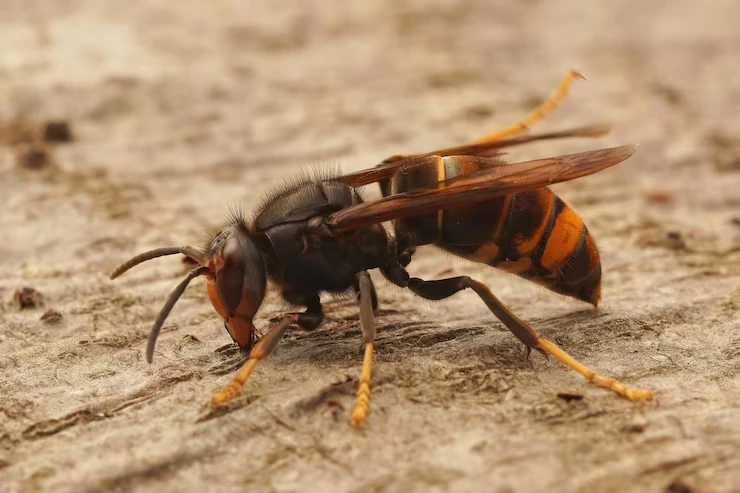
Pools and play areas are built for comfort, movement, and family time, but summer wasp activity can quickly change the mood of those spaces. Wasps are drawn to the same outdoor conditions people enjoy: warmth, water, shade, food, and protected nesting areas. Around a pool deck, swing set, patio, pergola, fence line, or shaded corner, a small amount of activity can become a serious concern when children, pets, and guests are nearby.
Wasp control becomes especially important when nests develop close to places where people gather. Unlike some pests that hide and avoid contact, wasps can become defensive when their nest is disturbed. Understanding these risks helps homeowners take summer wasp pressure seriously before stings, panic, or repeat activity disrupt outdoor routines.
Pools Attract Wasps For Water, Shade, And Food
Pools can unintentionally create a wasp-friendly setting. Wasps need water during hot weather, and pool areas often provide moisture, spills, shade, and food residue from outdoor gatherings. They may land near water features, drains, pool toys, trash bins, or eating areas before nesting nearby.
- Water sources around pools can draw wasps during dry, hot weather.
- Sweet drinks, fruit, popsicles, and barbecue residue can attract foraging wasps.
- Trash containers near pool decks can become steady feeding points.
- Umbrellas, patio covers, and fence lines may provide protected nesting locations.
- Pool equipment areas can hide activity until someone gets too close.
The danger grows because people around pools are often barefoot, distracted, or moving quickly. A sting near wet surfaces can cause sudden movement, slipping, or panic, especially for children. When wasps appear repeatedly, the issue should be evaluated as more than a temporary nuisance.
Play Areas Create Higher Sting Risks
Play areas can make wasp encounters more unpredictable. Children run, climb, swing, shout, and grab surfaces without checking for hidden nests. Wasps may build under playhouses, in hollow posts, near fence corners, inside sheds, or beneath rooflines close to outdoor toys. Because children may not recognize warning signs, the risk of accidental nest disturbance is higher.
- Swings and climbing structures can shake nearby nests or resting wasps.
- Playhouses and storage boxes may hide nests in corners or on roof edges.
- Snack wrappers and juice boxes can attract wasps during outdoor play.
- Sandboxes and shaded benches may sit close to nesting or feeding areas.
- Fast movement can alarm wasps when activity is already concentrated nearby.
Professional service is safer because wasp behavior can change quickly once a nest is threatened. The risk is not only the first sting. Multiple wasps may defend the area, and some people may have stronger reactions to stings than expected. For homeowners weighing the danger of handling nests themselves, this overview of safer wasp removal explains why experience, protective equipment, and proper treatment matter.
Nest Location Determines The Level Of Danger
The same wasp problem can carry different risks depending on where the nest is located. A nest high in a tree away from daily activity is different from one under a deck rail, near a gate, inside a wall void, or attached to playground equipment. Around pools and play areas, location matters because people pass close to the nest repeatedly.
- Eaves and patio covers can be used to place nests above seating or pool-entry areas.
- Wall voids may hide activity until wasps enter and exit through a small gap.
- Fence posts and gates can put nests directly beside walking paths.
- Shrubs near play areas can conceal activity at child height.
- Sheds and storage spaces may expose people when toys or equipment are retrieved.
Wasp activity often increases as colonies grow through the season. A nest that seemed small in spring may become more active by summer. For timing and treatment insight, this guide to spring wasp methods shows why early identification and proper removal can reduce later risk.
Lasting Protection Requires More Than Nest Removal
Removing the visible nest is only one part of the solution. Wasps may rebuild when food sources, nesting surfaces, and sheltered areas remain attractive. A long-term plan reviews the full outdoor environment, including patios, pool equipment zones, rooflines, fences, storage areas, landscaping, and play structures.
Professional inspection can also identify related pest pressure around the property, including ants, cockroaches, fleas, ticks, gophers, rodents, spiders, and general household pest concerns. These issues are different from wasps, but they may share outdoor attractants such as food, shelter, clutter, and access points.
The goal is practical protection. Families should be able to use pools and play areas with fewer interruptions, less uncertainty, and a clearer understanding of where wasps may return. A structured approach can include nest identification, targeted treatment, follow-up guidance, and prevention recommendations shaped around how the outdoor space is used.
Make Outdoor Spaces Safer For Summer
Wasps around pools and play areas can create avoidable sting risks when nests, food sources, and high-traffic spaces overlap. For safer wasp service and broader outdoor pest protection, contact Extreme Gopher & Pest Control for professional services.
