 8+ Reviews
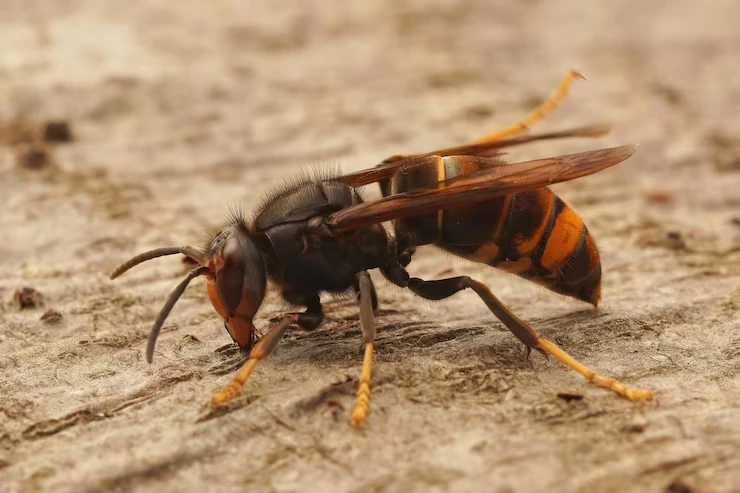
Spring marks the beginning of heightened wasp activity, as colonies emerge and begin establishing new nests. During this period, wasps become more visible around homes, outdoor structures, and landscaped areas. While early activity may seem manageable, it often signals the start of larger wasp infestations that can escalate quickly if not addressed properly.
From a professional standpoint, wasp control requires more than simply removing visible nests. Effective solutions focus on understanding nesting behavior, identifying attractants, and applying targeted methods that prevent colonies from returning. Addressing wasp infestations early in the season is one of the most reliable ways to maintain safety and long-term control.

Why Wasp Activity Increases During Spring
Spring creates ideal conditions for wasps to begin building nests and expanding their populations. Warmer temperatures and increased food availability encourage rapid development.
- Rising temperatures activate overwintering queens and initiate nest building
- Increased insect activity provides a steady food source for growing colonies
- Availability of sheltered spaces supports early nest formation
- Outdoor food sources attract wasps closer to living areas
- Seasonal plant growth creates additional hiding and nesting opportunities
These conditions allow wasp populations to establish themselves before they are fully noticed. Early intervention is essential, as small nests can quickly develop into larger colonies that are more difficult to manage.
Environmental factors also play a role in attracting wasps. For example, certain yard conditions and food sources can significantly increase activity, as explained in our resource on common wasp attractants, where even minor changes in the environment can influence infestation levels.
Common Nesting Areas Around Residential Properties
Wasps tend to build nests in areas that provide protection from the weather and easy access to food. Many of these locations are hidden or difficult to inspect without proper experience.
- Roof eaves, attics, and soffits that offer sheltered spaces
- Wall voids and structural gaps that conceal nest development
- Trees, shrubs, and dense vegetation that provide coverage
- Outdoor furniture and play structures with protected corners
- Garages, sheds, and storage areas that remain undisturbed
These nesting sites often go unnoticed during the early stages of colony growth. By the time activity becomes visible, the nest may already be well established.
Identifying these locations accurately is a critical step in managing wasp infestations effectively.
Professional Methods Used To Remove Wasp Infestations
Professional wasp removal relies on a combination of targeted treatments and strategic application methods. These approaches are designed to eliminate active colonies while minimizing risk.
- Application of specialized treatments directly to active nests
- Use of protective equipment to safely access high-risk areas
- Removal of nests after treatment to prevent reuse
- Treatment of the surrounding areas to address residual activity
- Monitoring of treated sites to ensure complete elimination
These methods are carefully selected based on the size, location, and severity of the infestation. Surface-level removal alone is rarely sufficient, as it may leave portions of the colony active.
Professional approaches focus on addressing the entire nest structure and surrounding environment, ensuring that the infestation is fully resolved.
Why Professional Intervention Is More Effective Than Reactive Measures
Wasp infestations can become hazardous if handled without proper knowledge and equipment. Attempting to address nests without a structured approach often leads to incomplete results and increased risk.
- Wasps can become aggressive when nests are disturbed
- Incomplete removal may allow colonies to rebuild quickly
- Hidden nests may remain undetected and continue to grow
- Lack of proper equipment increases the risk of stings
- Repeated exposure to wasps can create ongoing safety concerns
These factors highlight the importance of a comprehensive approach to wasp control. Professional methods are designed to reduce risk while achieving more consistent results.
For additional insight into effective pest management strategies, our broader pest control insights provide useful information on handling various pest challenges throughout the year.
Long-Term Prevention Strategies To Reduce Future Activity
Successful wasp control extends beyond removing existing nests. Long-term prevention focuses on reducing the conditions that attract wasps and support nesting.
- Sealing entry points and structural gaps around the property
- Managing food sources that may attract wasps
- Maintaining landscaping to reduce sheltered nesting areas
- Scheduling regular inspections to detect early activity
- Integrating seasonal pest management plans for ongoing protection
These strategies help create an environment that is less attractive to wasps, reducing the likelihood of recurring infestations.
Consistent monitoring and maintenance play a key role in maintaining control, especially during peak seasons when wasp activity is at its highest.
Take A Smarter Approach To Wasp Control This Season
Wasp infestations can escalate quickly during spring, but early action and professional methods provide a clear path to control and prevention. Addressing both visible nests and underlying conditions ensures more reliable, long-term results.If you are ready to handle wasp activity with a more effective and structured approach, reach out to Extreme Gopher & Pest Control and let us help you protect your space with confidence.
