 8+ Reviews
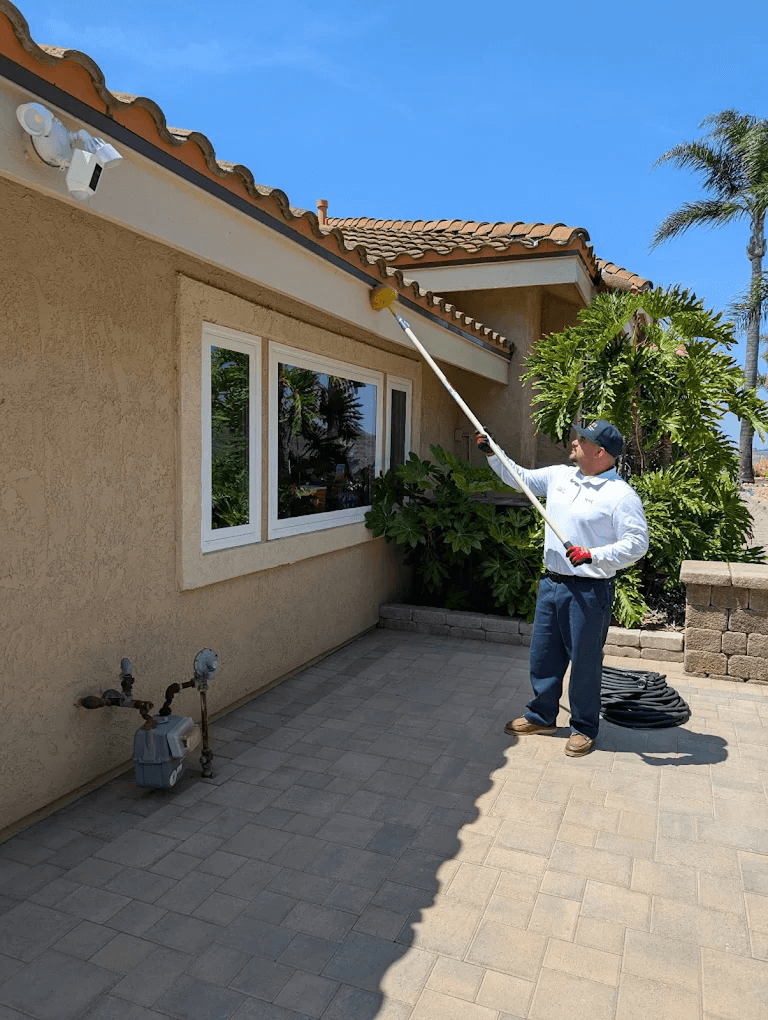
Summer in Ventura County brings warmer temperatures, dry soil, irrigation, outdoor meals, and more time spent in yards. These conditions can increase activity from ants, spiders, cockroaches, fleas, ticks, wasps, rodents, and gophers around homes and landscaped areas.
Each pest problem develops for different reasons. Properties near the coast, inland neighborhoods, and heavily landscaped lots may experience different combinations of pressure, even during the same summer week. Some pests move closer to moisture when outdoor areas dry out, while others follow food, shelter, insect prey, or plant roots. Effective control starts with accurate identification and a property-specific inspection rather than treating every sighting the same way.

Heat and Dry Conditions Change Pest Movement
Summer weather can push pests toward dependable food, water, and shelter. Ants may trail indoors when soil dries, cockroaches can gather around damp utility areas, and spiders often settle where insect prey is plentiful. Rodents may also use garages, storage spaces, and structural gaps when nearby cover changes.
Common pressure points include:
- Irrigated foundation edges and damp landscaping near walls.
- Open doors, worn garage seals, vents, and utility gaps.
- Outdoor food residue, pet bowls, trash, and recycling areas.
- Shaded patios, sheds, crawl spaces, and cluttered storage.
- Exterior lights that attract insects and the spiders that hunt them.
A professional inspection helps connect indoor sightings with outdoor conditions, making treatment more focused, easier to monitor, and better suited to the property’s actual summer pressure.
Seasonal Scheduling Helps Catch Activity Earlier
Pest pressure does not rise at the same time across every Ventura County property. Coastal moisture, changing temperatures, landscaping, and household routines can influence when activity becomes noticeable. Homes near irrigated yards may experience different concerns from properties with dry slopes, dense planting, or frequent outdoor gatherings.
This guidance on service scheduling explains why flexible timing, inspection, and continued monitoring can be more useful than waiting for an infestation to become obvious. Early service can identify trails, nesting zones, burrows, and entry points before activity spreads.
Seasonal follow-up also allows treatment to change when weather, irrigation, or pest movement shifts during summer.
Gophers Can Cause Hidden Damage Below the Yard
Gophers remain underground while feeding on roots and expanding tunnel systems. Above ground, homeowners may notice fresh mounds, sinking areas, damaged plants, or irrigation trouble. Treating only the visible mound can miss the active runway where the animal is traveling.
A precision-focused gopher plan may include:
- Mapping fresh mounds and identifying active tunnel routes.
- Placing baiting and treatment 100% underground.
- Focusing only on areas that show current gopher activity.
- Using an approach designed to minimize exposure to pets, wildlife, and other non-target animals.
- Returning for follow-up service to confirm that treatment remains focused.
Keeping baiting and treatment below ground helps reduce exposure concerns involving pets, wildlife, and other non-target animals. Because placement is based on verified tunnel activity rather than broad yard-wide application, the approach remains precise while also addressing concerns about secondary exposure.
Wasps Become More Noticeable Near Outdoor Living Areas
Warm weather supports colony growth and longer foraging periods. Wasps may gather near patios, eaves, fences, sheds, pools, pet bowls, trash, flowering plants, or places where food and sweet drinks are available.
Understanding yard wasp attractants can help explain why activity increases near frequently used spaces. A visible nest may be only part of the concern, especially when wasps enter wall gaps or sheltered structural areas.
A professional assessment may consider:
- Repeated flight paths around eaves, rooflines, and wall openings.
- Food residue, uncovered trash, ripe fruit, and outdoor drinks.
- Water sources near pools, irrigation, and pet areas.
- Nest locations close to doors, patios, walkways, or play spaces.
- Colony size, accessibility, and the risk of defensive behavior.
Inspection-based wasp control reduces guesswork and helps determine which areas require treatment, removal, or continued monitoring.
Whole-Property Control Supports Longer-Term Results
Summer pest activity often involves several connected conditions. Irrigation can attract insects, insects can support spiders, food and shelter can draw rodents, and healthy roots may encourage gopher tunneling beneath lawns. Treating one visible symptom may leave the larger pattern unchanged.
A complete approach identifies each pest before selecting a treatment method, inspects indoor and outdoor areas for nesting and entry, and addresses moisture, food, shelter, clutter, and structural gaps. Targeted treatment should be placed only where activity is confirmed, with follow-up scheduled when seasonal pressure or hidden activity continues.
Ventura County homes can experience changing pest pressure throughout summer, so long-term control depends on consistent observation. Professional service brings the training needed to distinguish active evidence from old signs and to adjust treatment as conditions change.
The objective is not to apply more product than necessary. It is to understand why the pest problem developed, target the source precisely, and confirm through follow-up that activity is declining.
Keep Summer Pest Pressure Under Control
When summer pests begin affecting your home, yard, or outdoor spaces, early professional attention can keep the response focused. Contact Extreme Gopher & Pest Control for targeted service, thoughtful prevention, and long-term follow-up.
