 5 Reviews
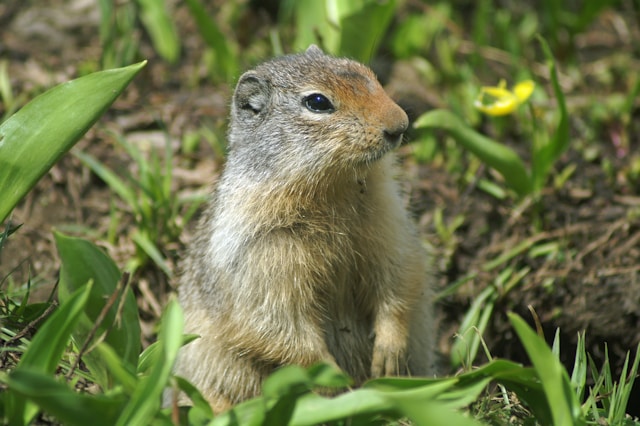
Gophers can cause extensive damage to lawns, gardens, and landscaped areas in a surprisingly short time. Their tunneling disrupts soil structure, damages plant roots, and creates uneven ground that can affect both appearance and usability. Because much of their activity happens underground, problems often develop before they are fully noticed. Gopher prevention requires more than reacting to visible mounds. It involves understanding how gophers behave, what attracts them, and how to reduce the conditions that support their activity. A consistent approach to gopher prevention helps limit damage and supports healthier outdoor spaces over time. Why Gophers Are Drawn to Certain Properties Gophers do not randomly choose where to settle. They are attracted to environments that provide food, shelter, and soil conditions that are easy to dig through. Certain landscapes naturally create ideal conditions for their activity. Seasonal changes also influence their behavior. In many areas, activity increases during spring when soil conditions improve and food becomes more abundant. Understanding these patterns helps explain why prevention should begin early. For example, changes in seasonal activity are discussed in these spring gopher activity trends, which show how environmental conditions affect movement and behavior. Signs That Gopher Activity Is Increasing Gopher activity rarely starts in a dramatic way. It tends to build gradually, often going unnoticed until the damage becomes more obvious. Recognizing early signs can help prevent a small issue from turning into widespread disruption across the yard. Since gophers spend most of their time underground, the clues they leave behind are subtle but consistent once you know what to look for. An increase in activity usually means that gophers have established active tunnel systems and are feeding regularly. This can lead to root damage, weakened plants, and uneven ground surfaces that may become hazardous over time. In homes with dogs, this is also important because pets may dig into these areas or disturb tunnels, which can worsen the situation. Fresh mounds are often the most visible sign. These piles of loose soil indicate recent digging, and when they appear frequently, it suggests ongoing activity rather than a one-time presence. Uneven ground can follow as tunnels expand, creating soft spots that may collapse under pressure. When multiple signs appear together or begin increasing in frequency, it usually points to a more established presence. Addressing the issue early can help limit further damage and reduce the effort required to restore affected areas. Practical Gopher Prevention Techniques That Work Preventing gopher activity involves reducing the factors that attract them while making the environment less suitable for tunneling. A combination of methods is often the most effective approach. These techniques focus on long-term prevention rather than short-term fixes. By addressing the conditions that support gophers, it becomes more difficult for them to establish and expand their tunnels. However, no single method guarantees complete prevention. Gophers are persistent and adaptable, which is why ongoing attention is necessary. How Gopher Damage Escalates Without Intervention Gopher activity tends to increase if left unmanaged. What starts as a few small mounds can quickly turn into widespread disruption across the property. Over time, this damage can affect both the appearance and functionality of the landscape. Lawns may become uneven, plants may fail to thrive, and ongoing maintenance becomes more challenging. Understanding the extent of potential damage helps highlight the importance of early action. These gopher damage warning signs provide additional insight into when professional intervention may be necessary. Why Professional Gopher Prevention Is More Reliable While basic prevention steps can help reduce risk, gopher activity often requires a more structured approach to achieve consistent results. Their underground behavior makes it difficult to fully address the problem without a clear understanding of tunnel systems and movement patterns. Professional gopher prevention focuses on identifying active areas, applying targeted solutions, and monitoring results over time. This approach reduces the chance of recurring activity and helps maintain long-term control. In addition, professionals consider the broader environment. Soil conditions, irrigation patterns, and surrounding landscapes all influence how gophers behave. Addressing these factors helps create a more complete prevention strategy. A well-planned approach ensures that both current activity and future risk are managed effectively. Instead of reacting to visible damage, it works to prevent the problem from developing in the first place. Keep your landscape protected and stable Gopher activity can quickly disrupt even the most well-maintained landscapes. Preventing damage requires a combination of awareness, consistent monitoring, and targeted action that addresses both visible signs and hidden activity.For those looking for a more dependable solution, professional support provides a clearer path to long-term gopher prevention. Contact Extreme Gopher & Pest Control to protect your property.

Gopher Damage to Lawns: When to Call a Professional
Healthy lawns often reflect consistent care, balanced soil conditions, and steady maintenance. Yet even the most well-kept landscapes can face sudden disruption from underground activity. Gopher damage is one of the most challenging issues property owners encounter, especially because it develops out of sight before becoming visible on the surface. Gophers are not just passing through. Once they establish a network beneath a lawn, they begin to reshape the soil structure, disturb plant roots, and create uneven terrain. Understanding how this process unfolds is key to recognizing when the situation requires more than observation. How Gophers Reshape the Landscape Below Gophers spend nearly all their time underground, creating complex tunnel systems that serve as both shelter and feeding grounds. Their movement beneath the surface may seem minimal at first, but over time, it significantly alters the condition of the soil and vegetation. Because this activity happens below the surface, early signs often go unnoticed. By the time mounds appear consistently, the underlying damage is already widespread. Gopher damage is not limited to aesthetics. It affects the health and structure of the entire landscape. Why Gopher Activity Intensifies in Certain Seasons Environmental changes play a major role in how and when gophers become more active. Seasonal shifts can influence food availability, soil conditions, and breeding patterns, all of which contribute to increased activity. These patterns explain why certain times of the year bring noticeable increases in surface disruption. A closer look at seasonal gopher activity shows how environmental factors influence their behavior and movement across properties. Understanding these cycles helps property owners anticipate changes, but it also highlights how quickly conditions can shift once activity begins. Signs That Gopher Damage Is Getting Worse Recognizing the progression of gopher damage is essential for determining when the issue requires a more structured response. While occasional soil mounds may seem manageable, repeated or expanding signs indicate a deeper problem. As these signs accumulate, they point to an established network rather than isolated activity. Gopher damage at this stage is rarely contained to one section of the property. Instead, it spreads beneath the surface, often extending farther than expected. This is where timing becomes critical. Delaying action allows gophers to reinforce their tunnels and expand their reach, making the problem more complex to address later. The Broader Impact on Property and Soil Health Beyond visible lawn damage, gopher activity has broader implications for property maintenance and long-term soil health. The effects can extend into structural and functional areas of the landscape. These impacts develop gradually, which makes them easy to underestimate. However, once the structure of the soil is compromised, restoring it requires more than surface-level adjustments. Addressing gopher damage effectively involves understanding how these underground systems interact with the visible landscape. This connection between what happens below and what appears above is often overlooked until the effects become more pronounced. Why Professional Intervention Matters for Gopher Damage Managing gopher damage requires more than reacting to visible signs. It involves identifying active tunnel systems, understanding movement patterns, and applying methods that address both current activity and future risk. Professional approaches focus on locating the full extent of the burrow network, not just the areas where damage is visible. This level of assessment ensures that treatment is targeted and comprehensive. In addition, environmental factors such as soil type, irrigation patterns, and surrounding vegetation must be considered. These elements influence how gophers behave and how they respond to different control strategies. Without this context, efforts may only provide temporary relief. A structured approach to effective gopher solutions allows for a more precise response. By aligning methods with the conditions of the property, it becomes possible to address the root of the problem rather than its symptoms. Professional intervention also emphasizes prevention. Reinforcing vulnerable areas, monitoring activity patterns, and maintaining landscape balance all contribute to reducing the likelihood of recurring issues. Where Lawn Health Begins to Recover When gopher damage is addressed with a comprehensive strategy, the landscape begins to stabilize. Soil regains its structure, plant roots recover, and surface conditions improve over time. However, this recovery depends on addressing the issue at its source. Surface repairs alone cannot resolve the underlying network that caused the damage in the first place. Let Your Lawn Breathe Again When gopher activity starts to reshape your landscape, it is time to act with clarity and precision. Reach out to Extreme Gopher & Pest Control to address gopher damage with a focused approach that supports long-term lawn health.
Why Oxnard Homes See More Gopher Activity in Spring
Spring in Oxnard brings longer days, coastal breezes, and renewed growth across lawns and gardens. It also brings a noticeable rise in gopher activity. Homeowners often begin seeing fresh soil mounds, collapsing turf, and damaged root systems just as landscaping starts to flourish. From our professional perspective, this seasonal pattern is not random. It is directly connected to soil conditions, plant growth cycles, and breeding behavior. Understanding why gopher activity increases in spring helps homeowners respond strategically and protect both their investment and their property’s curb appeal. Spring Soil Conditions Create Ideal Tunneling Environments One of the primary reasons Oxnard homes experience increased gopher activity in spring is the condition of the soil itself. Winter moisture and moderate temperatures create ideal digging conditions. During late winter and early spring: Gophers are powerful diggers, but even for them, dry and hardened soil requires more energy. Spring soil reduces resistance, allowing them to expand tunnel networks quickly and efficiently. In coastal communities like Oxnard, mild winters mean soil rarely freezes. This allows underground activity to continue year-round, but spring accelerates it. When the ground becomes consistently workable, burrow expansion increases, and visible mounds multiply. Soft soil also allows gophers to construct more complex tunnel systems beneath lawns, flower beds, and even hardscape areas. The damage often appears subtle at first but can escalate rapidly if not addressed. New Plant Growth Provides Abundant Food Sources Spring is the peak growing season for many plants, and that growth directly fuels gopher activity. These animals primarily feed on roots, tubers, and underground plant structures. When landscapes are thriving above ground, roots are expanding below the surface. In spring: All of this creates an underground buffet. Gophers are drawn to nutrient-rich root systems, especially in well-maintained yards with consistent watering. Oxnard’s climate allows homeowners to grow a wide variety of turfgrass, decorative shrubs, and garden vegetables. Unfortunately, these carefully cultivated landscapes can become prime feeding zones. As food availability increases, gopher activity intensifies. It is important to understand that gophers are territorial. A single gopher can cause extensive damage beneath a lawn. In spring, when food is abundant, their movement patterns may expand, increasing the visible impact on properties. Breeding Season Amplifies Underground Movement Another key factor behind rising gopher activity in spring is reproduction. Many gopher species breed in late winter and early spring. As populations increase, so does tunneling behavior. During breeding season: This surge in underground movement often results in more surface mounds and structural instability in lawns. Homeowners may notice sudden spikes in activity, even if there were no visible issues during the winter months. Young gophers seeking new territories are especially active. They tunnel outward in search of unclaimed ground, frequently crossing property lines. That means even well-maintained yards can become affected if neighboring properties have existing infestations. Spring therefore, represents both population growth and territorial expansion, which together increase the likelihood of visible damage. How Gopher Damage Impacts Lawns and Structural Areas Gopher activity does more than create unsightly soil mounds. The underlying damage can be extensive and costly if left unchecked. Common impacts include: Because gophers feed directly on roots, turfgrass may appear healthy one week and wilted the next. Garden plants can collapse without warning as root systems are severed below ground. Irrigation systems are also vulnerable. Burrowing can puncture lines, resulting in water waste and increased utility costs. Excess moisture from damaged pipes may further soften soil, making tunneling even easier. In some cases, tunnels extend beneath hardscaped surfaces. Over time, this can cause shifting or cracking. Addressing gopher activity early in spring helps prevent compounding structural concerns. Beyond gophers, other pests in the region, such as rodents, ants, spiders, cockroaches, wasps, and fleas or ticks, can also become more active in warmer months. Seasonal transitions often create overlapping pest pressures, making professional evaluation especially valuable. Why Professional Assessment Is Critical in Spring Spring presents a narrow window when gopher activity accelerates but landscape damage may still be manageable. Professional assessment during this time offers several advantages: Gopher behavior is complex and highly adaptive. Surface mounds do not always indicate the full extent of underground networks. Professional techniques focus on locating active tunnels rather than treating only visible signs. In Oxnard’s climate, early intervention reduces the likelihood of repeated seasonal damage. By addressing gopher activity at its seasonal peak, long term impact can be minimized. It is also important to distinguish gopher damage from other burrowing animals. Proper identification ensures the right corrective approach. Misidentification can result in ineffective efforts and continued activity beneath the surface. Spring may feel like the ideal time to focus on landscaping upgrades and garden improvements. Protecting those investments begins with understanding and managing underground threats effectively. Take Back Your Landscape Before Spring Damage Spreads If you are noticing increased gopher activity around your Oxnard home, now is the time to act. Contact Extreme Gopher & Pest Control to schedule a professional evaluation and protect your property this season.
