 8+ Reviews
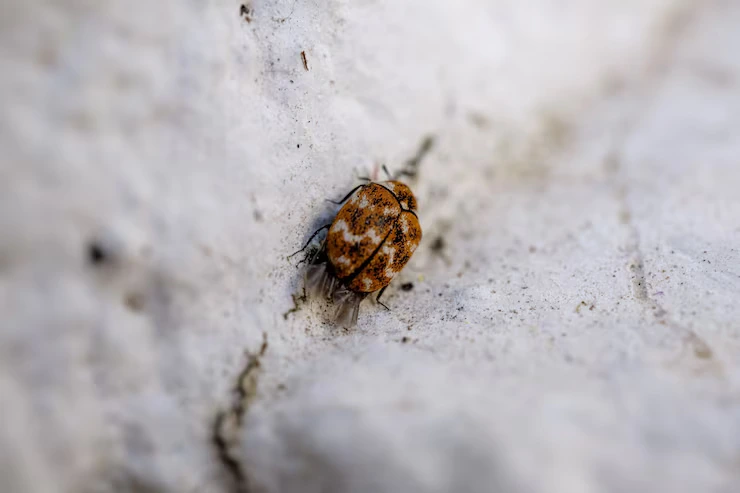
Oxnard’s coastal weather gives families many reasons to keep pets active outdoors. Mild temperatures, shaded yards, irrigated lawns, patios, and neighborhood walks can also create steady flea and tick pressure around homes. Dogs and cats may pick up pests from grass, soil edges, outdoor bedding, fence lines, or contact with areas where rodents and other animals have passed through. Once fleas or ticks reach a pet, the issue can quickly move from the yard into carpets, furniture, bedding, and resting areas.
Tick prevention is most effective when it treats the home, pet routine, and property as connected parts of the same problem. Fleas and ticks are not only pet concerns. They are environmental pests that can hide in shaded outdoor zones, survive in indoor resting spots, and return when the source is not found. Professional inspection helps identify where activity is building and which areas need careful attention.

Understand Where Pets Pick Up Fleas And Ticks
Pets are often the first visible clue, but they are rarely the only location involved. Fleas may develop where pets sleep, scratch, or spend long periods. Ticks may wait in vegetation, lawn edges, brushy areas, or shaded ground cover before attaching to a passing animal or person.
Common risk areas include:
- Shaded lawn edges, fence lines, shrubs, and overgrown ground cover
- Outdoor pet beds, kennels, patios, decks, and resting spots
- Carpets, rugs, sofas, pet blankets, baseboards, and cracks near floors
- Areas with rodent activity, gopher disturbance, or protected outdoor shelter
- Walking routes, parks, and shared outdoor spaces with tall grass or leaf litter
A pet may bring pests indoors even when the real source remains outside. This is why inspection should include both indoor comfort areas and exterior pressure zones.
Know Why Oxnard Summers Raise Tick Pressure
Summer in Oxnard can keep outdoor pest activity steady because mild coastal air, irrigation, and shaded landscapes hold enough moisture for pests to remain active. Pets spend more time outside, families open doors more often, and yards become gathering spaces. These patterns can increase the chances of fleas and ticks moving closer to daily living areas.
Ticks are especially concerning because they may stay hidden until they attach. A small population can be overlooked if the yard is not checked carefully. When professionals evaluate summer tick areas, they look beyond the lawn surface and review the spots pets actually use.
A focused tick prevention plan may consider where pets nap, where shade remains longest, where vegetation touches walkways, and whether rodents, gophers, spiders, wasps, ants, or cockroaches indicate broader pest pressure. The goal is not to treat everything the same way. It is to connect the pest, the route, and the environment.
Watch For Signs Around Pets And Indoors
Flea and tick activity can be easy to miss at first. Pets may scratch, lick, bite at their skin, or seem restless before homeowners see the pest. Fleas may leave tiny dark specks on bedding or appear near ankles. Ticks may attach quietly and remain hidden under fur.
Signs to watch for include:
- Pets scratching, chewing, grooming, or avoiding certain resting spots
- Small jumping insects near pet beds, rugs, sofas, or baseboards
- Dark specks on bedding, blankets, or favorite sleeping areas
- Ticks attach near the ears, neck, paws, belly, or other protected areas
- Repeat bites indoors even after pets have been checked
Pet owners should coordinate pet-specific prevention with a veterinarian. A professional pest service focuses on the property conditions that allow fleas and ticks to continue. Both pieces matter because the pet and the environment can keep reinfesting each other if only one side is addressed.
Treat The Environment, Not Just The Pet
Flea problems often continue because eggs, larvae, pupae, or adult pests remain in the home or yard after the pet is treated. Indoor resting areas, soft surfaces, shaded patios, and protected outdoor zones can keep the cycle active. That is why flea control should be viewed as an environmental issue as well as a pet concern.
A complete plan may include:
- Inspecting pet resting areas, carpets, baseboards, patios, and yard edges
- Identifying shade pockets, moisture, and outdoor pest pressure near the home
- Coordinating treatment timing with laundering, vacuuming, and pet care guidance
- Reviewing rodent, gopher, ant, cockroach, spider, or wasp activity that affects conditions
- Scheduling follow-up checks when bites or sightings continue after initial service
Professional service helps determine whether the activity is active indoors, concentrated outdoors, or moving between both. That matters because a one-time surface response may miss hidden life stages or the source location.
Help Pets Enjoy A Calmer Yard
Flea and tick issues around pets are easier to manage when the yard, home, and pet routine are inspected together. For professional flea and tick control, tick prevention, pest control, ant control, cockroach control, gopher control, rodent control, spider control, wasp control, and practical prevention guidance, contact Extreme Gopher & Pest Control.
