 8+ Reviews
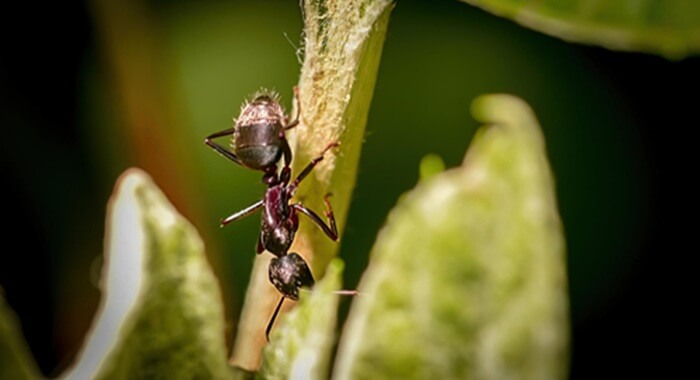
Hot summer weather can make ant activity seem to explode almost overnight. Higher temperatures accelerate foraging, dry out outdoor resources, and push colonies to search more aggressively around homes and landscaped areas. Effective ant control depends on understanding why the colony is moving, where the trail begins, and what conditions are supporting it. Treating only the ants in sight may interrupt activity briefly, but the source can remain active outdoors, beneath hardscape, or inside protected structural spaces. Heat And Dry Soil Push Ants Toward Reliable Resources During hot, dry periods, ants often travel farther to locate dependable water and food. Irrigated landscapes, kitchens, pet bowls, sinks, and shaded areas can become especially attractive when surrounding soil loses moisture. Conditions that can increase summer ant pressure include: These conditions are part of the broader summer pest pressure seen across Ventura County. Ants may begin outdoors and then move inside when indoor resources become easier to reach. Established Trails Can Grow Quickly Ants communicate through chemical trails that guide other workers toward useful resources. Once a scout locates food or water, additional workers can follow the same route, making a few ants look like a much larger problem within a short period. Hot weather can intensify this process because colonies are active and workers are constantly searching. A trail near a window, countertop, sink, or baseboard is not simply random movement. It often connects a resource to a colony or nesting area elsewhere. Wiping away visible ants may remove part of the trail, but it does not necessarily affect the source. The colony can redirect workers, rebuild the trail, or use another nearby opening. Professional inspection is useful because the direction and intensity of movement can reveal where ants are entering and what is attracting them. Summer Conditions Create Multiple Entry Opportunities Homes develop many small access points that ants can exploit, particularly where outdoor pest pressure is high. Openings around foundations, plumbing, doors, windows, and exterior utilities may connect directly to indoor food and moisture. High-risk areas often include: Entry-point correction works best when it is paired with source-focused treatment. Sealing one opening may not solve the problem if the colony remains active nearby or another route is available. Ants can also shift their movement as heat, irrigation, or food availability changes. That is why long-term management requires more than a one-time response to a single trail. Indoor Trails Usually Point To A Larger Source A line of ants indoors often indicates that workers have established a dependable route between the colony and a resource. Kitchens and bathrooms are common locations, but activity can also appear in garages, laundry rooms, bedrooms, and other areas where water or food is available. Understanding what indoor ant trails reveal can help explain why repeated sightings deserve closer attention. The source may be in soil, a planter bed, a wall void, beneath flooring, or along a foundation edge. Repeated ant activity can also signal broader property conditions. Source-focused service matters because treatment methods should match the actual pest and its activity. For example, gopher control may use precision-targeted placement based on confirmed tunnel activity, with baiting and treatment kept 100 percent underground. That underground, activity-based approach is designed to minimize exposure to pets, wildlife, and other non-target animals while reducing secondary-exposure concerns. Follow-up checks help keep treatment focused on areas where fresh gopher activity is actually present. Long-Term Ant Control Depends On The Colony Ant problems become easier to manage when the strategy addresses the colony, entry routes, attractants, and changing seasonal conditions together. Visible ants are evidence of the problem, not always the problem itself. A complete approach may include: Professional ant control adds precision because technicians can distinguish between isolated foraging and established colony pressure. Follow-up also matters during hot weather because changes in irrigation, temperature, and food availability can alter where ants travel. The goal is not simply to make one trail disappear. Effective control reduces the conditions that keep attracting ants while addressing the source responsible for repeated activity. Stop Summer Ant Trails At The Source If ants keep returning as temperatures rise, contact Extreme Gopher & Pest Control for professional ant control focused on colony activity, entry points, targeted treatment, and practical follow-up.
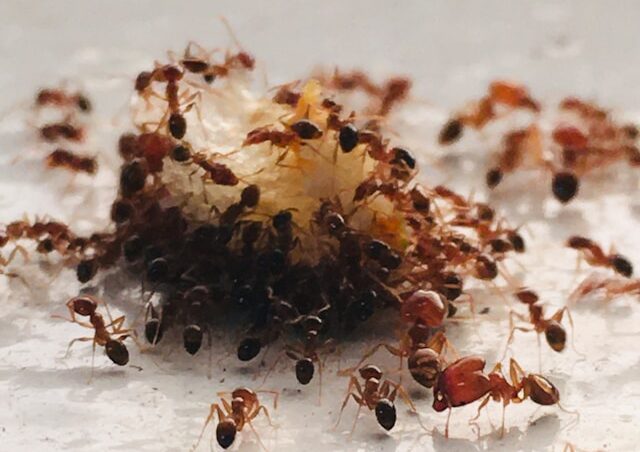
Ant Trails Indoors: What They Mean and What to Do
An indoor ant trail is more than a few insects wandering across a counter. It is usually a communication line between food, water, shelter, and the colony. Ants leave scent trails that guide other workers to the same resource, which is why a small line near a window, sink, pantry, or baseboard can grow quickly once the route is established. Ant control starts with understanding what the trail is telling you. The visible ants are only a small part of the colony’s activity. The source may be outdoors, inside a wall void, under flooring, near plumbing, or along a foundation edge. In Oxnard homes, ants can also be part of broader pest pressure involving cockroaches, spiders, wasps, fleas, ticks, rodents, and gophers. A professional inspection helps identify the trail, source, and return conditions. Trails Reveal Food, Water, Or Shelter Ants trail indoors because something is supporting their movement. They may be looking for crumbs, sweets, grease, pet food, moisture, or a protected place to nest. Kitchens and bathrooms are common, but trails can also appear in laundry rooms, garages, bedrooms, and offices. An ant trail should be treated as evidence, not as the entire problem. The important question is where the ants are coming from and why they chose that route. The Source May Be Outside Many indoor ant problems begin outdoors. Colonies may nest in soil, lawns, planter beds, mulch, cracks, concrete edges, fence lines, or near irrigation. Workers may enter through tiny gaps around doors, windows, utility lines, or foundation openings. Once they find food or water indoors, the trail becomes more active. This is why source-focused ant control matters. Treating the visible line alone may interrupt activity briefly, but the colony can continue sending workers through the same or a nearby route. The better approach is to connect indoor sightings with exterior pressure, entry points, and the colony’s likely location. Professional service can also identify whether the activity is connected to moisture, landscaping, or seasonal changes. Entry Points Are Often Overlooked Ants can enter through openings so small they are easy to miss. A gap near a window frame, plumbing line, sliding door, or baseboard can support steady activity if the colony has a reason to keep coming inside. These entry points may not be in the room where the ants are most visible. Finding entry points requires more than watching the last few ants in the trail. Technicians look for direction, trail intensity, food access, moisture, and exterior conditions to determine how the ants are moving. Scheduling Service Helps Prevent Recurrence Ant trails can return when treatment is delayed or when only one area is addressed. Activity may shift after weather changes, irrigation adjustments, food availability, or colony movement. A single sighting may not require the same plan as repeated ant trails across several rooms, but recurring activity should be evaluated before it spreads. A structured approach to service scheduling helps homeowners understand when inspection, treatment, and follow-up are most useful. In many cases, early service prevents ants from expanding into kitchens, bathrooms, pantries, garages, or shared walls. Scheduling also matters because ants are not the only concern. Cockroaches, spiders, wasps, fleas, ticks, rodents, and gophers can all respond to the same property conditions that create pest pressure around the home. Long-Term Control Depends On The Colony The biggest mistake homeowners make is focusing only on the ants they can see. Long-term control depends on the colony, the trail, the entry point, and the conditions that support activity. If those pieces are not addressed together, the trail may disappear temporarily and then return. A strong plan can address ant activity while considering other pest concerns listed for the property, including gopher control, rodent control, spider control, cockroach control, wasp control, and flea and tick control. Professional evaluation helps determine whether the issue is an indoor attractant, an outdoor colony, or both. When the source is identified, treatment becomes more precise, follow-up becomes more meaningful, and recurring ant trails become easier to reduce. Stop Ant Trails At The Source For Ant control that looks beyond the visible line and considers colony behavior, food sources, moisture, entry points, and recurring pest pressure around your Oxnard property, contact Extreme Gopher & Pest Control for professional support shaped around lasting home protection.
Ant Control Tips That Stop Infestations At The Source
Ants are among the most persistent household pests because they rarely travel alone. What begins as a small trail near a sink, pantry, or window often points to a much larger colony hidden behind walls, beneath concrete, or outside the home. Ant infestations may become more active during warmer months when food sources, moisture, and favorable nesting conditions increase around residential properties. Effective ant control focuses on stopping the infestation at its source rather than reacting only to visible ants indoors. Long-term prevention depends on understanding how ants travel, where colonies form, and which environmental conditions allow them to continue returning throughout the property. Outdoor Conditions Often Trigger Indoor Activity Many homeowners first notice ants inside kitchens, bathrooms, or garages, but colonies often begin outdoors. Landscaping, moisture buildup, and structural gaps can all create favorable conditions that allow ants to move closer to the home over time. Ants are highly organized and follow scent trails that lead workers back to food and water sources repeatedly. Once those pathways become established, indoor sightings may continue even after surface cleaning temporarily removes visible ants. Professional ant control inspections help identify where colonies are nesting and which environmental conditions are contributing to repeated activity. Treating only visible ants rarely resolves the full infestation if outdoor nesting zones remain active nearby. Kitchens And Moisture Areas Require Close Attention Ants frequently invade areas where moisture and food access are available consistently. Kitchens, laundry rooms, bathrooms, utility spaces, and pet-feeding areas often become high-activity zones because they provide reliable conditions for survival. Because ants can enter through extremely small openings, homeowners may not notice the exact point of entry immediately. Utility penetrations, window gaps, foundation cracks, and damaged weather-stripping may all allow movement indoors. Seasonal weather changes can also influence ant behavior throughout the year. Warmer temperatures, rainfall, and changing moisture conditions often affect colony movement and nesting patterns around homes. Homeowners can better understand these patterns through these seasonal ant patterns affecting residential properties in Oxnard. Understanding why ants are entering the structure helps support more targeted long-term prevention efforts. Surface Treatments Rarely Eliminate Colonies Completely One reason ant infestations continue returning is that many treatment attempts only affect visible worker ants while leaving the colony itself untouched. Colonies may contain thousands of ants hidden inside walls, beneath slabs, within landscaping, or around exterior structures. Professional ant control strategies focus on identifying nesting zones, colony movement patterns, and environmental factors supporting infestation growth. This broader approach often provides more reliable long-term results than reacting only to visible trails inside the home. Inspections may also reveal additional pest activity contributing to environmental conditions around the property. Rodents, cockroaches, spiders, fleas, ticks, gophers, and other pests often share similar moisture and shelter conditions outdoors. Because ant infestations can spread gradually, early attention often helps prevent larger recurring problems later. Long-Term Prevention Depends On Ongoing Monitoring Ant control works best when homeowners focus on long-term prevention instead of one-time reactionary treatments. Colonies may remain active seasonally, especially when outdoor conditions continue supporting nesting and food access near the home. Properties with heavy landscaping, irrigation systems, outdoor food areas, or structural vulnerabilities may require more consistent monitoring throughout warmer seasons. Long-term prevention plans help professionals adjust strategies as environmental conditions change over time. Professional evaluations also help determine whether the activity involves one isolated colony or broader infestation pressure around the property. Homeowners exploring long-term pest management planning can review these service scheduling tips to better understand how consistent inspections support stronger prevention results. Because ants often remain hidden until populations grow larger, ongoing monitoring helps uncover developing infestations before they spread further indoors. Build Stronger Protection Against Recurring Ant Activity Ant infestations often continue returning when hidden colonies, moisture conditions, and outdoor nesting areas remain untreated around the property. Effective ant control focuses on identifying the source of activity, reducing environmental attractants, and supporting long-term prevention throughout the home. Professional inspections also help uncover hidden vulnerabilities homeowners may easily overlook during routine maintenance. For professional ant control and long-term pest prevention support, contact Extreme Gopher & Pest Control.
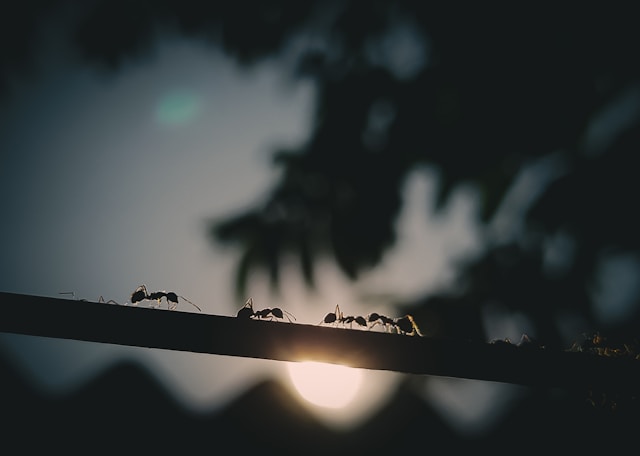
Seasonal Ant Trends in Oxnard and How to Stop Them
Ant activity in Oxnard follows predictable seasonal patterns, but the intensity and persistence of these patterns often catch homeowners off guard. What begins as a few ants appearing in spring can quickly escalate into widespread ant infestations that affect kitchens, patios, and even structural areas. From a professional perspective, understanding how ants behave throughout the year is essential for effective control. Seasonal shifts influence where ants nest, how they forage, and how quickly colonies expand. By recognizing these trends early, it becomes possible to reduce activity before it becomes a recurring problem. Why Ant Activity Changes Throughout the Year Ants respond directly to environmental conditions such as temperature, moisture, and food availability. In Oxnard, the coastal climate creates a relatively stable environment, but seasonal changes still play a significant role in ant behavior. These cycles explain why ant infestations often appear suddenly. Colonies may have been present for some time before visible activity increases. Common Ant Species Found in Oxnard Homes Different ant species behave in unique ways, which influences how infestations develop and spread. Identifying the type of ant involved is an important step in determining the most effective approach. These species often overlap in activity, creating complex infestations that require careful evaluation. In some cases, the presence of ants may also coincide with other pests, as noted in our resource about hidden warning signs. Understanding species behavior helps guide more targeted and effective solutions. What Attracts Ants to Residential Properties Ant infestations are rarely random. They are driven by specific conditions that provide the resources ants need to survive and expand. These attractants often exist both inside and outside the home. Addressing only one area may not be sufficient to eliminate the problem. Seasonal Strategies to Reduce Ant Infestations Preventing ant infestations requires a proactive approach that adapts to seasonal conditions. Each stage of the year presents different challenges and opportunities for control. As discussed in our resource about ant control comparisons, choosing the right approach depends on the complexity of the infestation and the conditions that support it. A structured plan ensures that prevention efforts remain effective throughout the year. Why Professional Pest Control Makes a Difference Ant infestations often involve hidden colonies that are not immediately visible. While surface activity may be addressed, the underlying problem can persist if the colony remains intact. Professional pest control specialists take a comprehensive approach. They identify nesting locations, evaluate environmental conditions, and apply treatments that target the colony at its source. This ensures that the infestation is addressed fully rather than temporarily reduced. In addition to ants, properties may also experience activity from other pests such as rodents, spiders, and insects. Addressing these issues together helps create a more balanced and controlled environment. Without professional oversight, it can be difficult to achieve long-term results. Repeated infestations are common when underlying conditions remain unchanged. A structured approach provides consistency and reliability. It ensures that both immediate concerns and future risks are managed effectively. Where Seasonal Awareness Turns Into Lasting Control Ant activity in Oxnard follows predictable patterns, but managing it effectively requires more than observation. By understanding seasonal trends and addressing contributing factors early, it becomes possible to reduce the risk of recurring infestations. Taking a proactive and consistent approach also helps create a more stable environment where ants are less likely to return. When conditions are monitored and adjusted throughout the year, small issues can be addressed before they develop into larger concerns. This level of awareness supports long-term control and helps maintain a cleaner, more manageable living space.For expert solutions and dependable protection, connect with Extreme Gopher & Pest Control to ensure your home is protected with a strategy designed for long-term results and consistent control.
Professional vs DIY Ant Control: What Should Residents Consider
Ant activity is one of the most common pest concerns homeowners face. From kitchen counters to bathroom sinks and exterior foundations, ants can appear quickly and in large numbers. Because of their size and visibility, many residents attempt to address infestations on their own before seeking professional help. While this approach may seem practical at first, ant control is more complex than eliminating visible trails. Understanding the differences between professional and DIY ant control allows homeowners to make informed decisions about efficiency, safety, and long-term results. When evaluating options, it is important to consider colony behavior, environmental factors, and the broader pest pressures affecting the property. Understanding How Ant Colonies Operate Ant infestations are rarely limited to what can be seen. Worker ants represent only a fraction of the colony. Beneath soil, inside wall voids, or under slabs, a larger structure supports the visible activity. Key characteristics of ant colonies include: Because colonies may exist in multiple locations, eliminating surface ants does not necessarily remove the source. Successful ant control requires identifying nesting sites and disrupting the colony at its origin. Professional evaluation often includes inspection of foundations, landscaping, moisture sources, and structural gaps. Without this level of assessment, infestations may return even after temporary reduction in activity. The Appeal and Limitations of DIY Solutions DIY ant control products are widely available. Sprays, bait stations, powders, and natural remedies are marketed as quick fixes. For minor activity, these tools may reduce visible trails in the short term. Common limitations of DIY methods include: Different species require different strategies. Carpenter ants, for example, may nest inside damp wood, while pavement ants typically establish colonies in soil near foundations. Misidentification can result in ineffective treatment. In some cases, improper application of over-the-counter products can cause colonies to split and form additional satellite nests. This process, known as budding, can make infestations more difficult to manage. Residents also face challenges in addressing related pests. Properties experiencing ant issues may also encounter spiders, roaches, rodents, gophers, or other outdoor pests. Integrated pest management considers the entire ecosystem rather than a single visible problem. When Professional Ant Control Becomes Necessary Professional ant control focuses on long-term prevention rather than immediate elimination alone. Licensed technicians evaluate the property as a whole and develop a structured plan based on findings. Professional programs typically include: This systematic approach reduces the likelihood of recurring infestations. Because ants often exploit moisture, cracks, and landscaping features, professionals also provide guidance on structural improvements that strengthen prevention. Homes in regions with diverse pest activity may also face issues with gophers, rodents, spiders, cockroaches, and other insects. Professional pest services are equipped to manage multiple species under one cohesive plan, reducing the need for separate treatments. While DIY methods may appear cost-effective initially, repeated product purchases and ongoing infestations can lead to higher cumulative expenses over time. Safety, Compliance, and Environmental Considerations Applying pesticides inside and around the home requires careful attention to safety guidelines. Residents must consider proper dosage, placement, and exposure risks for children and pets. Professional pest control providers are trained to: Improper chemical use can create health concerns and environmental contamination. Professionals balance effectiveness with responsible application. Additionally, integrated pest management emphasizes monitoring and prevention rather than overuse of chemicals. By addressing attractants and entry points, professionals often reduce the need for frequent applications. For homeowners concerned about long-term property protection, safety and sustainability are essential considerations in the decision between DIY and professional ant control. Long-Term Value and Peace of Mind Ant infestations can disrupt daily life. Persistent trails in kitchens or patios create frustration and uncertainty. Repeated DIY attempts without lasting results can increase stress. Professional ant control offers several long-term advantages: The value of professional service lies not only in eliminating current activity but also in preventing future invasions. Scheduled maintenance plans help ensure that seasonal changes or environmental shifts do not trigger new infestations. Residents must weigh immediate cost savings against durability of results. In many cases, investing in professional expertise provides greater efficiency and reduces repeated disruptions. Ready for a Lasting Solution? If ant activity continues to return despite your efforts, contact Extreme Gopher & Pest Control to discuss a professional ant control plan tailored to your property and local pest pressures.
