 5 Reviews
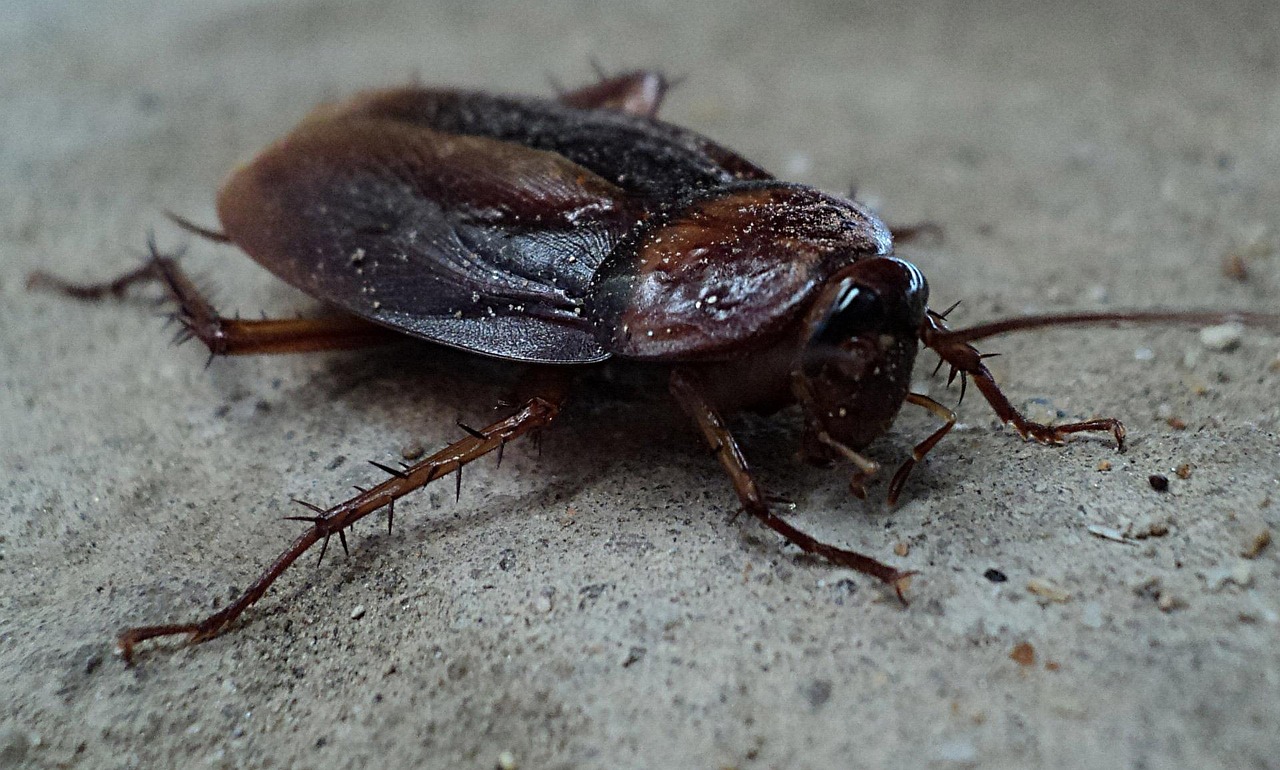
Oxnard’s coastal climate, steady warmth, and access to moisture create favorable conditions for several cockroach species. While many homeowners first notice a quick blur across the kitchen floor, professionals know that identifying the exact species is the foundation of effective cockroach control. Each type behaves differently, hides in different areas, and responds to specific treatment strategies. From residential kitchens to commercial spaces, understanding local roach activity allows trained technicians to act with precision rather than guesswork. Below is a closer look at the most common cockroach species in Oxnard and how professional pest management addresses them. The Most Common Cockroach Species In Oxnard Accurate identification shapes the entire treatment plan. What works for German cockroaches may not fully resolve an Oriental cockroach issue. Professionals begin with detailed inspections to determine species, nesting areas, and the level of infestation. Why Cockroaches Thrive In Coastal Environments Oxnard’s coastal air, irrigation systems, and year-round moderate temperatures create ideal conditions for cockroach survival. Professionals frequently observe that moisture is the driving factor behind many infestations. Cockroaches are highly adaptable. They flatten their bodies to squeeze through small cracks and can survive for weeks with minimal resources. In multi-unit housing, shared plumbing lines often allow populations to spread between walls. This is why professional cockroach control focuses not only on visible insects but also on structural vulnerabilities and moisture sources. Without addressing these conditions, infestations often return. How Professionals Approach Cockroach Control Professional pest management follows a structured, step-by-step process designed for long-term suppression rather than temporary relief. This comprehensive method distinguishes professional cockroach control from surface-level solutions. It targets breeding cycles, not just visible insects. Why Surface Sprays Rarely Solve The Problem Many infestations appear manageable at first glance. A few roaches are seen at night, and over-the-counter sprays seem to reduce activity temporarily. However, cockroach populations are often much larger than what is visible. German cockroaches, for example, reproduce rapidly. A single female can produce multiple egg capsules in her lifetime, each containing dozens of offspring. Killing exposed adults without reaching hidden nests allows the cycle to continue. Surface sprays may also cause roaches to scatter deeper into wall voids, spreading the infestation further. Professionals understand behavioral patterns and use products designed for transfer effects, meaning roaches carry treatment back to nesting areas. In addition, safety considerations are important. Kitchens, food preparation areas, and homes with children or pets require careful product selection and precise application. Professional technicians are trained to apply materials in a controlled and compliant manner. Integrated Pest Management For Long Term Results Effective cockroach control does not rely on a single technique. Instead, professionals use integrated pest management principles to create layered protection. In addition to cockroaches, trained pest professionals often manage other common Oxnard pests such as ants, spiders, rodents, gophers, and occasional invaders that affect residential and commercial properties. Understanding how these pests interact with environmental conditions allows technicians to implement coordinated strategies that support overall property protection. Because cockroaches can contaminate surfaces and trigger allergy concerns, early intervention is critical. Professionals emphasize prevention as much as elimination. When structural vulnerabilities are corrected and treatment is applied precisely, infestations decline steadily and remain controlled. Ready To Regain Control Of Your Space? If cockroaches have appeared in your Oxnard property, a professional evaluation can provide clarity and a structured path forward. For experienced assistance and detailed pest solutions, contact Extreme Gopher & Pest Control.
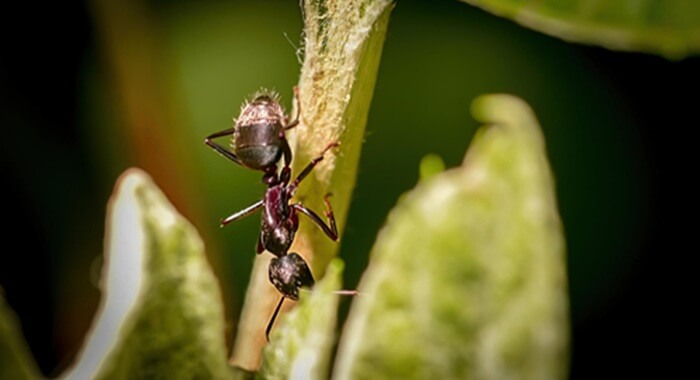
Professional vs DIY Ant Control: What Should Residents Consider
Ant activity is one of the most common pest concerns homeowners face. From kitchen counters to bathroom sinks and exterior foundations, ants can appear quickly and in large numbers. Because of their size and visibility, many residents attempt to address infestations on their own before seeking professional help. While this approach may seem practical at first, ant control is more complex than eliminating visible trails. Understanding the differences between professional and DIY ant control allows homeowners to make informed decisions about efficiency, safety, and long-term results. When evaluating options, it is important to consider colony behavior, environmental factors, and the broader pest pressures affecting the property. Understanding How Ant Colonies Operate Ant infestations are rarely limited to what can be seen. Worker ants represent only a fraction of the colony. Beneath soil, inside wall voids, or under slabs, a larger structure supports the visible activity. Key characteristics of ant colonies include: Because colonies may exist in multiple locations, eliminating surface ants does not necessarily remove the source. Successful ant control requires identifying nesting sites and disrupting the colony at its origin. Professional evaluation often includes inspection of foundations, landscaping, moisture sources, and structural gaps. Without this level of assessment, infestations may return even after temporary reduction in activity. The Appeal and Limitations of DIY Solutions DIY ant control products are widely available. Sprays, bait stations, powders, and natural remedies are marketed as quick fixes. For minor activity, these tools may reduce visible trails in the short term. Common limitations of DIY methods include: Different species require different strategies. Carpenter ants, for example, may nest inside damp wood, while pavement ants typically establish colonies in soil near foundations. Misidentification can result in ineffective treatment. In some cases, improper application of over-the-counter products can cause colonies to split and form additional satellite nests. This process, known as budding, can make infestations more difficult to manage. Residents also face challenges in addressing related pests. Properties experiencing ant issues may also encounter spiders, roaches, rodents, gophers, or other outdoor pests. Integrated pest management considers the entire ecosystem rather than a single visible problem. When Professional Ant Control Becomes Necessary Professional ant control focuses on long-term prevention rather than immediate elimination alone. Licensed technicians evaluate the property as a whole and develop a structured plan based on findings. Professional programs typically include: This systematic approach reduces the likelihood of recurring infestations. Because ants often exploit moisture, cracks, and landscaping features, professionals also provide guidance on structural improvements that strengthen prevention. Homes in regions with diverse pest activity may also face issues with gophers, rodents, spiders, cockroaches, and other insects. Professional pest services are equipped to manage multiple species under one cohesive plan, reducing the need for separate treatments. While DIY methods may appear cost-effective initially, repeated product purchases and ongoing infestations can lead to higher cumulative expenses over time. Safety, Compliance, and Environmental Considerations Applying pesticides inside and around the home requires careful attention to safety guidelines. Residents must consider proper dosage, placement, and exposure risks for children and pets. Professional pest control providers are trained to: Improper chemical use can create health concerns and environmental contamination. Professionals balance effectiveness with responsible application. Additionally, integrated pest management emphasizes monitoring and prevention rather than overuse of chemicals. By addressing attractants and entry points, professionals often reduce the need for frequent applications. For homeowners concerned about long-term property protection, safety and sustainability are essential considerations in the decision between DIY and professional ant control. Long-Term Value and Peace of Mind Ant infestations can disrupt daily life. Persistent trails in kitchens or patios create frustration and uncertainty. Repeated DIY attempts without lasting results can increase stress. Professional ant control offers several long-term advantages: The value of professional service lies not only in eliminating current activity but also in preventing future invasions. Scheduled maintenance plans help ensure that seasonal changes or environmental shifts do not trigger new infestations. Residents must weigh immediate cost savings against durability of results. In many cases, investing in professional expertise provides greater efficiency and reduces repeated disruptions. Ready for a Lasting Solution? If ant activity continues to return despite your efforts, contact Extreme Gopher & Pest Control to discuss a professional ant control plan tailored to your property and local pest pressures.
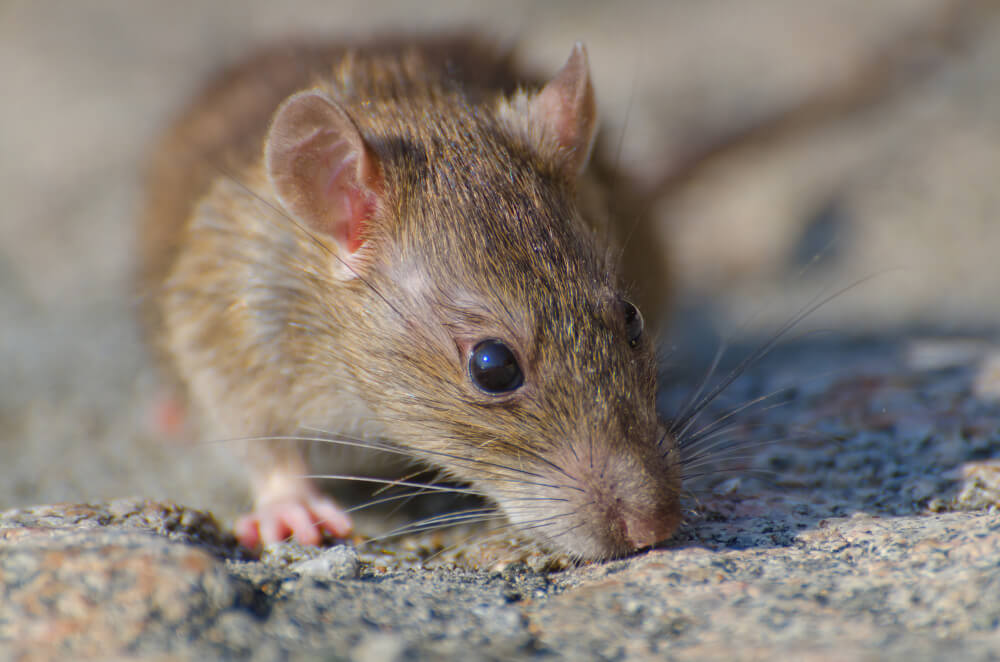
How Coastal Weather Affects Rodent Behavior
Coastal communities experience unique weather patterns that directly influence pest activity. Moderate temperatures, higher humidity, seasonal fog, and periodic rainfall all shape how rodents move, feed, and nest. For homeowners, understanding these environmental influences is essential to maintaining a protected property. From a professional standpoint, weather patterns are never separate from pest behavior. In coastal regions, consistent mild conditions allow rodents to remain active for much of the year. This continuous activity changes how infestations develop and how rodent control strategies must be structured for long-term effectiveness. Mild Winters Allow Year-Round Rodent Activity In colder inland climates, freezing temperatures often slow rodent populations. Coastal weather, however, rarely produces prolonged freezes. This has a measurable impact on behavior and reproduction. When winters remain mild: Without extreme cold to suppress numbers, rodent populations can remain steady throughout the year. Instead of a single seasonal spike, coastal regions often experience ongoing low-level activity that builds gradually. Because of this pattern, infestations may go unnoticed longer. Homeowners may not see the dramatic winter invasions typical in colder climates, yet interior nesting and structural damage can still occur. Continuous monitoring becomes essential in maintaining effective rodent control under these conditions. Coastal Moisture Influences Nesting and Shelter Choices Humidity and marine air play an important role in rodent habitat selection. Moisture affects everything from food preservation to nesting materials and burrow stability. In coastal environments: Rodents prefer environments that provide cover and stable temperatures. In coastal climates, vegetation rarely dies back completely, giving rodents consistent shelter. Dense shrubs, ivy growth, and ground cover allow discreet travel routes between outdoor and indoor spaces. Moisture also impacts structural vulnerabilities. Wood components exposed to humidity may soften over time, creating easier entry points. Small gaps around vents, utility lines, and foundations become more susceptible to gnawing. Understanding how humidity alters habitat conditions helps explain why rodent behavior in coastal areas can appear persistent rather than seasonal. Seasonal Rainfall Drives Movement Toward Structures Rainfall patterns common in coastal areas can temporarily disrupt outdoor burrows. When soil becomes saturated, rodents seek higher, drier ground. This often pushes them toward homes and commercial buildings. After significant rain events: Attics, wall voids, and storage spaces provide warmth and protection from damp conditions. Once inside, rodents may establish nesting sites quickly, especially if food is accessible. Rain-driven migration is often mistaken for sudden infestations. In reality, rodents may have been present outdoors for months before being displaced by weather conditions. Professional rodent control approaches account for this environmental trigger and focus on both exclusion and habitat modification. Coastal Landscaping Supports Expanded Pest Activity Coastal properties frequently feature lush landscaping due to favorable growing conditions. While attractive, dense vegetation can unintentionally support rodent populations and other pests. Common factors that increase risk include: Rodents are not the only concern. In coastal communities, additional pests such as gophers, ants, spiders, cockroaches, wasps, fleas, and ticks also thrive in well-irrigated landscapes. Each of these species responds differently to moisture and seasonal shifts, but dense vegetation provides shelter for many of them. Coastal weather encourages plant growth nearly year-round, reducing natural die-off that would otherwise expose burrows. As a result, rodents can move between properties without significant interruption. Maintaining balanced landscaping is an important step, yet environmental conditions alone often require more comprehensive rodent control planning to achieve lasting protection. Why Coastal Conditions Require a Strategic Rodent Control Plan Coastal weather patterns create a steady environment for rodent survival. Without harsh seasonal resets, populations can build gradually and quietly. Effective rodent control in these regions requires consistent evaluation rather than reactive measures. A strategic approach typically includes: Because rodents adapt quickly to environmental changes, surface-level efforts rarely address the root cause of infestations. Proper identification of nesting zones and access routes is essential for long-term results. In coastal climates, pest pressures rarely operate in isolation. Rodents may coexist alongside other species such as ants, spiders, cockroaches, wasps, fleas, ticks, and burrowing pests like gophers. A professional evaluation considers the full environmental picture rather than focusing on a single visible issue. Weather-driven behavior is predictable when viewed through a trained lens. By anticipating how humidity, rainfall, and mild temperatures influence movement, property owners can prevent larger structural concerns before they develop. Protect Your Property Before Weather Shifts Again If coastal weather is increasing rodent activity around your property, take action before conditions drive them indoors. Contact Extreme Gopher & Pest Control to schedule a professional assessment and implement a comprehensive rodent control strategy designed for coastal environments.

Why Oxnard Homes See More Gopher Activity in Spring
Spring in Oxnard brings longer days, coastal breezes, and renewed growth across lawns and gardens. It also brings a noticeable rise in gopher activity. Homeowners often begin seeing fresh soil mounds, collapsing turf, and damaged root systems just as landscaping starts to flourish. From our professional perspective, this seasonal pattern is not random. It is directly connected to soil conditions, plant growth cycles, and breeding behavior. Understanding why gopher activity increases in spring helps homeowners respond strategically and protect both their investment and their property’s curb appeal. Spring Soil Conditions Create Ideal Tunneling Environments One of the primary reasons Oxnard homes experience increased gopher activity in spring is the condition of the soil itself. Winter moisture and moderate temperatures create ideal digging conditions. During late winter and early spring: Gophers are powerful diggers, but even for them, dry and hardened soil requires more energy. Spring soil reduces resistance, allowing them to expand tunnel networks quickly and efficiently. In coastal communities like Oxnard, mild winters mean soil rarely freezes. This allows underground activity to continue year-round, but spring accelerates it. When the ground becomes consistently workable, burrow expansion increases, and visible mounds multiply. Soft soil also allows gophers to construct more complex tunnel systems beneath lawns, flower beds, and even hardscape areas. The damage often appears subtle at first but can escalate rapidly if not addressed. New Plant Growth Provides Abundant Food Sources Spring is the peak growing season for many plants, and that growth directly fuels gopher activity. These animals primarily feed on roots, tubers, and underground plant structures. When landscapes are thriving above ground, roots are expanding below the surface. In spring: All of this creates an underground buffet. Gophers are drawn to nutrient-rich root systems, especially in well-maintained yards with consistent watering. Oxnard’s climate allows homeowners to grow a wide variety of turfgrass, decorative shrubs, and garden vegetables. Unfortunately, these carefully cultivated landscapes can become prime feeding zones. As food availability increases, gopher activity intensifies. It is important to understand that gophers are territorial. A single gopher can cause extensive damage beneath a lawn. In spring, when food is abundant, their movement patterns may expand, increasing the visible impact on properties. Breeding Season Amplifies Underground Movement Another key factor behind rising gopher activity in spring is reproduction. Many gopher species breed in late winter and early spring. As populations increase, so does tunneling behavior. During breeding season: This surge in underground movement often results in more surface mounds and structural instability in lawns. Homeowners may notice sudden spikes in activity, even if there were no visible issues during the winter months. Young gophers seeking new territories are especially active. They tunnel outward in search of unclaimed ground, frequently crossing property lines. That means even well-maintained yards can become affected if neighboring properties have existing infestations. Spring therefore, represents both population growth and territorial expansion, which together increase the likelihood of visible damage. How Gopher Damage Impacts Lawns and Structural Areas Gopher activity does more than create unsightly soil mounds. The underlying damage can be extensive and costly if left unchecked. Common impacts include: Because gophers feed directly on roots, turfgrass may appear healthy one week and wilted the next. Garden plants can collapse without warning as root systems are severed below ground. Irrigation systems are also vulnerable. Burrowing can puncture lines, resulting in water waste and increased utility costs. Excess moisture from damaged pipes may further soften soil, making tunneling even easier. In some cases, tunnels extend beneath hardscaped surfaces. Over time, this can cause shifting or cracking. Addressing gopher activity early in spring helps prevent compounding structural concerns. Beyond gophers, other pests in the region, such as rodents, ants, spiders, cockroaches, wasps, and fleas or ticks, can also become more active in warmer months. Seasonal transitions often create overlapping pest pressures, making professional evaluation especially valuable. Why Professional Assessment Is Critical in Spring Spring presents a narrow window when gopher activity accelerates but landscape damage may still be manageable. Professional assessment during this time offers several advantages: Gopher behavior is complex and highly adaptive. Surface mounds do not always indicate the full extent of underground networks. Professional techniques focus on locating active tunnels rather than treating only visible signs. In Oxnard’s climate, early intervention reduces the likelihood of repeated seasonal damage. By addressing gopher activity at its seasonal peak, long term impact can be minimized. It is also important to distinguish gopher damage from other burrowing animals. Proper identification ensures the right corrective approach. Misidentification can result in ineffective efforts and continued activity beneath the surface. Spring may feel like the ideal time to focus on landscaping upgrades and garden improvements. Protecting those investments begins with understanding and managing underground threats effectively. Take Back Your Landscape Before Spring Damage Spreads If you are noticing increased gopher activity around your Oxnard home, now is the time to act. Contact Extreme Gopher & Pest Control to schedule a professional evaluation and protect your property this season.
