 5 Reviews
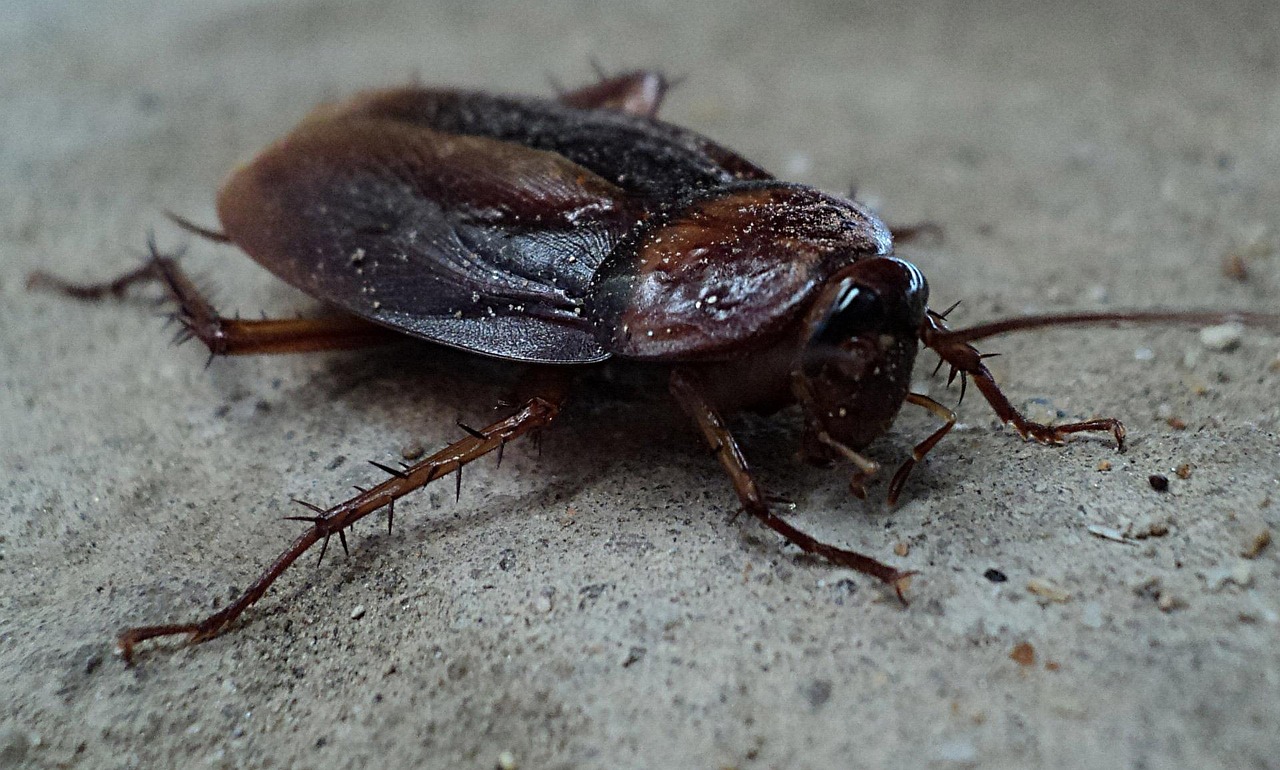
A kitchen may appear perfectly clean one evening, only for a cockroach to suddenly appear near the sink the next morning. For many homeowners, that moment feels unexpected and alarming. Unfortunately, cockroach activity often begins long before the first visible sighting occurs. Cockroaches are highly adaptable pests that thrive in environments offering moisture, warmth, food access, and hidden shelter. Kitchens naturally provide many of those conditions, which is why infestations frequently develop there first. Once activity begins, cockroaches often remain hidden behind appliances, inside cabinets, beneath sinks, and within wall voids during daylight hours. A sudden sighting rarely means only one insect is present. In many cases, visible activity may indicate a larger hidden population already established nearby. Understanding why cockroaches appear indoors can help homeowners respond more effectively before infestations become more severe. Why Kitchens Attract Cockroach Activity Cockroaches survive by staying close to reliable food and water sources. Kitchens provide exactly the type of environment these pests seek, especially when small moisture issues or hidden food particles remain available. Even clean homes may still develop infestations if environmental conditions support long-term pest activity. Several conditions commonly attract cockroaches into kitchens: Because cockroaches remain nocturnal, infestations frequently grow unnoticed for weeks before homeowners see visible activity. Nighttime sightings near sinks, countertops, or appliances often indicate the population has already expanded beyond isolated activity. Why Cockroach Problems Sometimes Appear Suddenly Many homeowners wonder why cockroach infestations seem to appear overnight. In reality, activity often develops gradually behind walls and hidden spaces until populations grow large enough to become visible during daytime hours. Several factors may contribute to sudden increases in activity: Apartment buildings, shared walls, and multi-unit properties may experience especially rapid spread because cockroaches can move between connected structures through plumbing systems, utility lines, and wall voids. Different species also behave differently depending on environmental conditions and available shelter. Homeowners interested in understanding these patterns further may benefit from reviewing these common cockroach species frequently found in residential areas. Common Areas Where Cockroaches Hide Indoors Cockroaches prefer protected areas that remain warm, dark, and close to moisture sources. Kitchens naturally contain many of these conditions, especially in areas homeowners rarely inspect closely. Infestations often spread quietly throughout hidden sections of the room before becoming noticeable. Several indoor areas commonly support cockroach activity: Outdoor conditions surrounding the property may also contribute to indoor infestations. Excess moisture, clutter, vegetation, and nearby drainage problems can increase overall pest pressure around the structure. Because infestations frequently involve multiple nesting areas, surface-level treatment alone may not fully address the source of activity. Why Long-Term Cockroach Control Matters One reason cockroach infestations become difficult to eliminate is their ability to reproduce quickly while remaining hidden indoors. Even when visible insects disappear temporarily, hidden populations may continue surviving behind walls or inside inaccessible areas. Long-term cockroach control usually focuses on identifying both the active infestation and the environmental conditions supporting it. Several factors often influence long-term results: Professional pest control strategies often combine inspection, targeted treatment placement, exclusion work, and environmental adjustments to support more effective long-term management. Homeowners comparing different treatment approaches may also benefit from reviewing these professional treatment considerations when evaluating how recurring infestations are managed over time. Why Early Response Helps Prevent Larger Infestations Cockroach activity rarely stays isolated once favorable conditions develop indoors. What begins as occasional sightings can gradually become a larger infestation affecting kitchens, bathrooms, storage spaces, and nearby rooms throughout the property. That is why early inspections and professional cockroach control evaluations remain important for long-term prevention. Identifying hidden nesting areas, moisture problems, and entry points early may help reduce infestation growth before activity spreads further indoors. Creating A Cleaner And More Comfortable Kitchen Professional inspections can help identify the conditions contributing to recurring cockroach activity and support more effective long-term prevention strategies. Contact Extreme Gopher & Pest Control to learn more about customized cockroach control solutions for residential properties.
Why Professional Wasp Control Is Safer Than DIY Removal
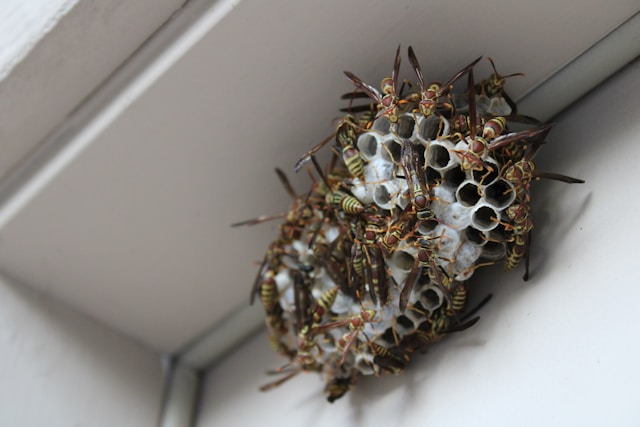
Wasp activity tends to increase during warmer months, especially in areas where outdoor spaces provide shelter and food sources. While spotting a nest may seem like a manageable issue at first, attempting to handle it without proper knowledge can quickly become dangerous. Wasps are highly defensive, and even minor disturbances can trigger aggressive behavior. Wasp control requires a structured, safety-focused approach that considers both immediate risks and long-term prevention. Understanding why professional service is safer than DIY removal helps highlight the importance of handling these situations with care. The Risks Associated With DIY Wasp Removal Many homeowners initially consider a one-time solution when dealing with wasps. However, DIY methods often overlook key safety concerns that can escalate quickly. Common risks include: Wasps react aggressively when they perceive a threat. Without proper protective equipment and experience, even a small mistake can result in multiple stings. In addition, DIY methods often fail to eliminate the entire colony. This can lead to recurring activity and increased risk over time. Why Wasps Are More Dangerous Than They Appear Wasps are not just a nuisance. Their behavior and nesting habits make them particularly challenging to manage without professional assistance. Key factors that increase risk include: Unlike other pests, wasps actively defend their territory. This makes approaching a nest especially risky without proper planning. Understanding how seasonal changes affect wasp behavior is also important. This overview of spring wasp removal methods explains how activity levels shift and why timing plays a role in effective control. Recognizing these risks helps explain why a more structured approach is necessary. How Professional Wasp Control Reduces Risk Professional wasp control focuses on minimizing danger while effectively addressing the problem. It involves a combination of inspection, targeted treatment, and follow-up measures. Key advantages of professional service include: This approach ensures that the issue is handled in a controlled and efficient manner. Instead of reacting to the presence of wasps, professionals follow a step-by-step process that reduces risk at every stage. In addition, professional services are designed to address both visible nests and hidden activity, providing a more comprehensive solution. The Importance Of Long-Term Pest Control Strategies Wasp control is not just about removing a nest. It also involves preventing future activity by addressing the conditions that attract wasps in the first place. Effective long-term strategies include: These measures help create an environment that is less appealing to wasps. They also reduce the likelihood of recurring problems. A long-term approach ensures that wasp control remains effective beyond a single treatment. This is especially important in areas where pest activity is influenced by environmental factors. Understanding how structured service plans support this process is helpful. This guide on scheduling pest services highlights how consistent service contributes to better long-term results. Why Professional Expertise Makes A Difference Handling wasps requires more than basic tools or products. It involves understanding behavior, identifying risks, and applying treatments with precision. Professional expertise provides: This level of expertise ensures that wasp control is both effective and safe. It also reduces the likelihood of repeated infestations, which can occur when nests are not fully addressed. Professional services take a proactive approach, focusing on both immediate removal and long-term protection. A Safer And More Reliable Approach To Wasp Control Wasp activity can escalate quickly, especially during peak seasons. Attempting to manage the situation without proper knowledge often leads to unnecessary risk and incomplete results. Professional wasp control provides a safer alternative by combining experience, equipment, and structured methods. It ensures that the problem is handled thoroughly while minimizing danger. By focusing on both removal and prevention, this approach creates a more stable and controlled environment. It also provides greater confidence that the issue will not return. Choose a safer path to lasting protection If you are dealing with wasp activity and want a more reliable solution, a professional approach can make a meaningful difference. Connect with Extreme Gopher & Pest Control to explore wasp control services designed for safe, effective, and long-term results.
How To Schedule Pest Control Services In Oxnard, CA
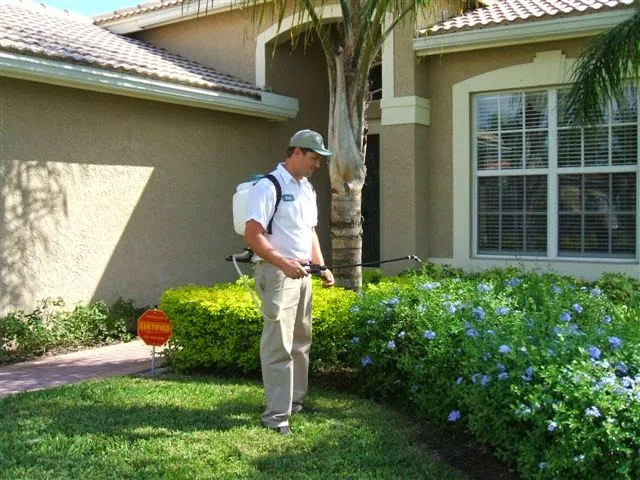
Pest activity in Oxnard does not follow a predictable pattern. Coastal conditions, mild winters, and seasonal moisture shifts create an environment where insects and rodents remain active throughout the year. For homeowners and property managers, scheduling pest control is less about reacting to visible issues and more about maintaining consistent protection. Understanding when and how to schedule pest control services allows for better long-term results. A structured approach ensures that pest activity is managed early, preventing small concerns from developing into more complex infestations. Understanding Pest Activity In Oxnard, CA Before scheduling any service, it is important to recognize the types of pests commonly found in the area and how environmental conditions influence their behavior. Key pest concerns in Oxnard include: These pests do not operate on the same timeline. Some increase activity after rainfall, while others respond to heat or limited water sources. This is why pest control scheduling must be flexible and based on changing conditions rather than a fixed one-time service. When To Schedule Pest Control Services Timing plays a significant role in the effectiveness of pest control. Scheduling services at the right intervals helps maintain a consistent barrier and reduces the likelihood of infestations. Important timing considerations include: Spacing services throughout the year creates continuity. Instead of reacting to visible pests, scheduled visits focus on prevention and early detection. This approach reduces the need for more intensive treatments later. For instance, timing becomes especially important when dealing with seasonal pests like wasps. As explained in our resource on spring wasp removal methods, early action during nest formation can significantly improve overall control. What To Expect During A Professional Scheduling Process Scheduling pest control is not just about booking a date. It involves a structured process that ensures treatments are applied effectively and adjusted over time. A typical scheduling process includes: This level of detail ensures that pest control remains consistent. Each visit builds on the previous one, creating a layered approach that addresses both visible activity and hidden risks. Professional scheduling also takes into account property layout, nearby vegetation, and environmental conditions. These factors influence how pests move and where they are likely to appear. How Consistency Improves Long-Term Results Consistency is one of the most overlooked aspects of pest control. Sporadic treatments may provide temporary relief, but they rarely address the full scope of pest activity. Maintaining a regular schedule offers several advantages: For example, persistent ant issues often require more than surface-level solutions. As discussed in our guide on professional ant control options, structured treatments and ongoing monitoring provide more reliable outcomes than temporary fixes. Consistency also allows for adjustments. Pest behavior can change based on weather, construction nearby, or seasonal shifts. A scheduled plan adapts to these changes, ensuring that protection remains effective. Planning Your Pest Control Schedule With Confidence Creating an effective pest control schedule begins with understanding your specific environment. Not all properties face the same challenges, even within the same region. A well-planned schedule considers: Working within these factors ensures that scheduling is not random. It becomes a strategic process designed to maintain long-term control. It is also important to recognize that pest control is not a one-time solution. Even when activity appears minimal, underlying conditions may still support pest presence. Regular scheduling ensures that these risks are managed before they become visible. By approaching pest control with a structured plan, homeowners can maintain a more stable and comfortable living environment throughout the year. A more reliable way to stay protected If you are ready to set up a pest control schedule that actually holds up through changing seasons, it may be time to work with a team that understands long-term protection. Connect with Extreme Gopher & Pest Control to get started with a more consistent and thoughtful approach.
Why Flea Control Is More Than Just Treating Pets
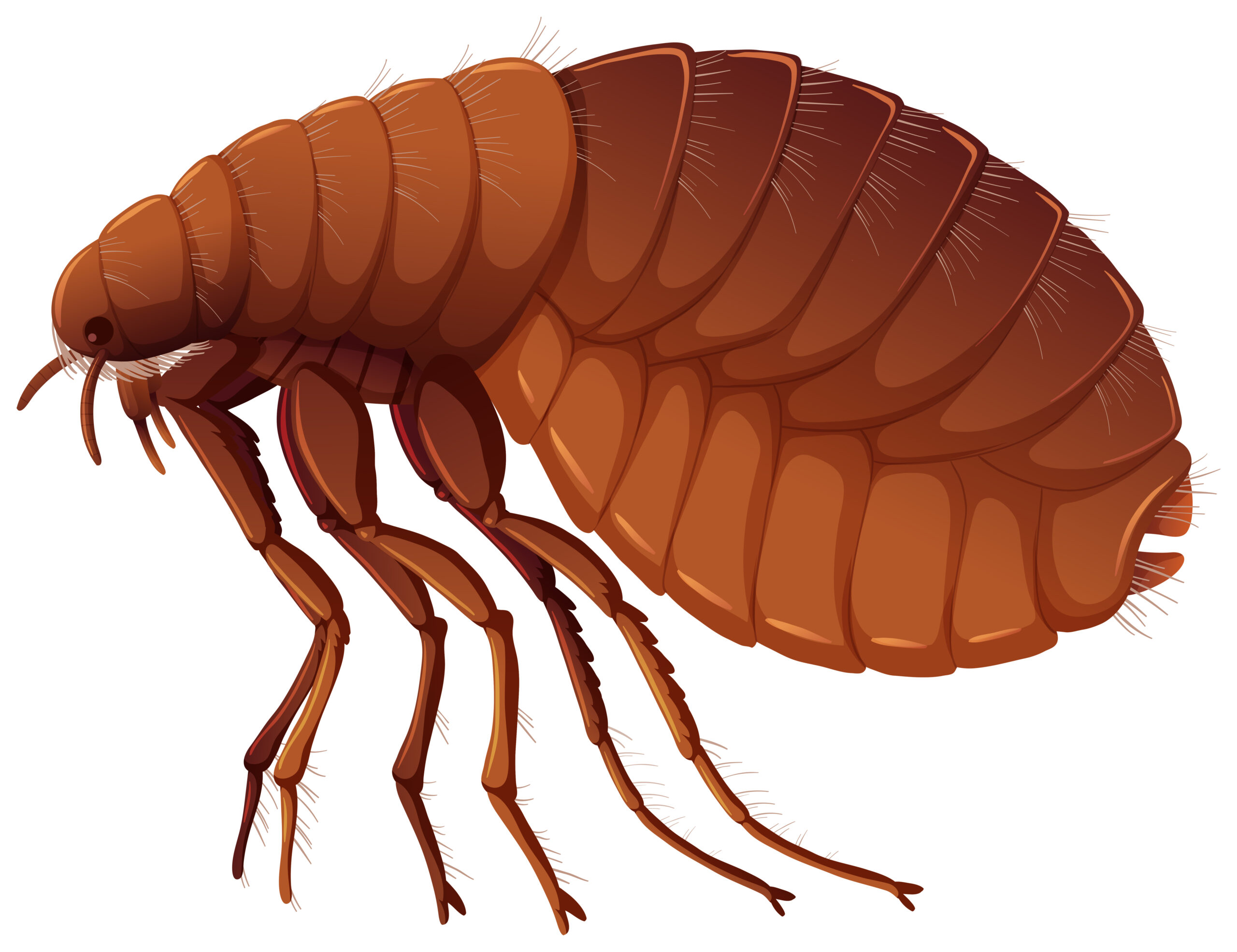
Fleas are often associated with pets, but their presence in a home goes far beyond what is visible on animals. While treating pets is an important first step, it addresses only a small portion of the problem. A true Flea Control strategy must consider the entire environment where fleas live, reproduce, and spread. From an expert perspective, fleas are persistent pests that thrive in hidden areas. Their lifecycle allows them to remain undetected while continuing to multiply. Without addressing all stages of development and all affected spaces, flea activity can return quickly, even after pets have been treated. Understanding why Flea Control extends beyond pets is essential for achieving lasting results and preventing repeated infestations. How Fleas Live and Spread Inside a Home Fleas are highly adaptable and capable of spreading throughout a property in a short period. Once introduced, they do not remain confined to pets. Instead, they move into surrounding areas where conditions support their lifecycle. This cycle explains why treating pets alone is not enough. While adult fleas may be removed temporarily, eggs and larvae continue to develop in the environment, leading to reinfestation. Fleas often share environments with other pests that thrive in similar conditions. In our recent article on insect activity patterns, we explored further how seasonal changes influence pest behavior. Why Treating Pets Alone Is Not Enough Pet treatments focus primarily on adult fleas, but they do not eliminate the hidden stages of the lifecycle. This creates a gap in Flea Control efforts that allows infestations to persist. These factors make it clear that Flea Control must go beyond the pet itself. Addressing only one part of the problem often leads to frustration, as fleas seem to reappear without warning. A more comprehensive approach is needed to break the cycle completely. Key Areas Where Fleas Thrive Indoors Fleas tend to concentrate in areas that provide warmth, shelter, and access to hosts. Identifying these locations is critical for effective Flea Control. These environments allow fleas to remain active even when pets are treated. Without addressing these spaces, infestations can continue to grow. Understanding how pests behave in hidden areas is essential. In our blog post on treatment comparisons, the importance of addressing the full scope of pest activity is discussed in more detail. How Professional Flea Control Targets the Full Lifecycle Effective Flea Control requires a strategy that addresses every stage of the flea lifecycle. Professional pest control services are designed to provide this level of coverage. The process begins with a detailed inspection to identify where fleas are most active. This includes both visible areas and hidden spaces where eggs and larvae may be present. Targeted treatments are then applied to affected areas. These treatments are designed to reach beyond the surface, addressing not only adult fleas but also developing stages. By interrupting the lifecycle, the population is reduced more effectively. Another important element is timing. Treatments are often scheduled in phases to align with the lifecycle of fleas. This ensures that newly emerging fleas are addressed before they can reproduce. Environmental adjustments also play a role. Reducing moisture, improving cleanliness, and managing pet areas help create conditions that are less favorable for fleas. This comprehensive approach is what allows Flea Control to deliver lasting results rather than temporary relief. Why Consistent Monitoring Prevents Reinfestation Flea infestations can reappear if conditions remain favorable. Monitoring is essential for ensuring that Flea Control efforts remain effective over time. Regular assessments help identify early signs of activity before they become widespread. This allows for timely intervention and prevents the infestation from restarting. Monitoring also provides insight into how treatments are performing. Adjustments can be made based on changes in pest behavior, ensuring that control measures remain effective. Without ongoing attention, even a well-managed infestation can return. Fleas are resilient, and their ability to remain hidden makes them difficult to eliminate completely without consistent follow-up. Where Complete Control Begins Flea Control is not just about treating pets. It is about addressing the entire environment where fleas live and reproduce. A comprehensive approach ensures that every stage of the lifecycle is managed effectively.For thorough and reliable pest control solutions, contact Extreme Gopher & Pest Control and take the next step toward a cleaner, more comfortable home.
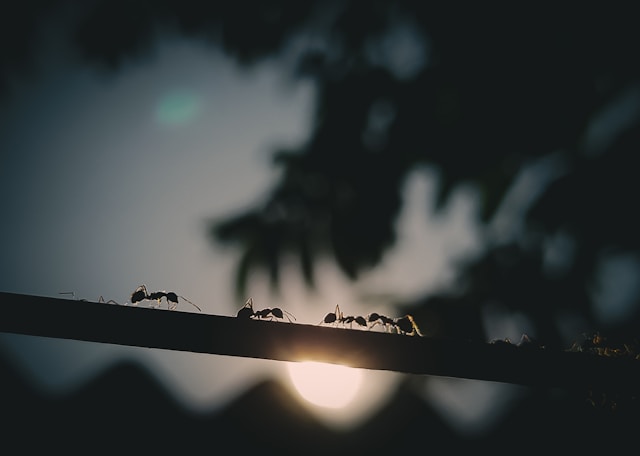
Seasonal Ant Trends in Oxnard and How to Stop Them
Ant activity in Oxnard follows predictable seasonal patterns, but the intensity and persistence of these patterns often catch homeowners off guard. What begins as a few ants appearing in spring can quickly escalate into widespread ant infestations that affect kitchens, patios, and even structural areas. From a professional perspective, understanding how ants behave throughout the year is essential for effective control. Seasonal shifts influence where ants nest, how they forage, and how quickly colonies expand. By recognizing these trends early, it becomes possible to reduce activity before it becomes a recurring problem. Why Ant Activity Changes Throughout the Year Ants respond directly to environmental conditions such as temperature, moisture, and food availability. In Oxnard, the coastal climate creates a relatively stable environment, but seasonal changes still play a significant role in ant behavior. These cycles explain why ant infestations often appear suddenly. Colonies may have been present for some time before visible activity increases. Common Ant Species Found in Oxnard Homes Different ant species behave in unique ways, which influences how infestations develop and spread. Identifying the type of ant involved is an important step in determining the most effective approach. These species often overlap in activity, creating complex infestations that require careful evaluation. In some cases, the presence of ants may also coincide with other pests, as noted in our resource about hidden warning signs. Understanding species behavior helps guide more targeted and effective solutions. What Attracts Ants to Residential Properties Ant infestations are rarely random. They are driven by specific conditions that provide the resources ants need to survive and expand. These attractants often exist both inside and outside the home. Addressing only one area may not be sufficient to eliminate the problem. Seasonal Strategies to Reduce Ant Infestations Preventing ant infestations requires a proactive approach that adapts to seasonal conditions. Each stage of the year presents different challenges and opportunities for control. As discussed in our resource about ant control comparisons, choosing the right approach depends on the complexity of the infestation and the conditions that support it. A structured plan ensures that prevention efforts remain effective throughout the year. Why Professional Pest Control Makes a Difference Ant infestations often involve hidden colonies that are not immediately visible. While surface activity may be addressed, the underlying problem can persist if the colony remains intact. Professional pest control specialists take a comprehensive approach. They identify nesting locations, evaluate environmental conditions, and apply treatments that target the colony at its source. This ensures that the infestation is addressed fully rather than temporarily reduced. In addition to ants, properties may also experience activity from other pests such as rodents, spiders, and insects. Addressing these issues together helps create a more balanced and controlled environment. Without professional oversight, it can be difficult to achieve long-term results. Repeated infestations are common when underlying conditions remain unchanged. A structured approach provides consistency and reliability. It ensures that both immediate concerns and future risks are managed effectively. Where Seasonal Awareness Turns Into Lasting Control Ant activity in Oxnard follows predictable patterns, but managing it effectively requires more than observation. By understanding seasonal trends and addressing contributing factors early, it becomes possible to reduce the risk of recurring infestations. Taking a proactive and consistent approach also helps create a more stable environment where ants are less likely to return. When conditions are monitored and adjusted throughout the year, small issues can be addressed before they develop into larger concerns. This level of awareness supports long-term control and helps maintain a cleaner, more manageable living space.For expert solutions and dependable protection, connect with Extreme Gopher & Pest Control to ensure your home is protected with a strategy designed for long-term results and consistent control.
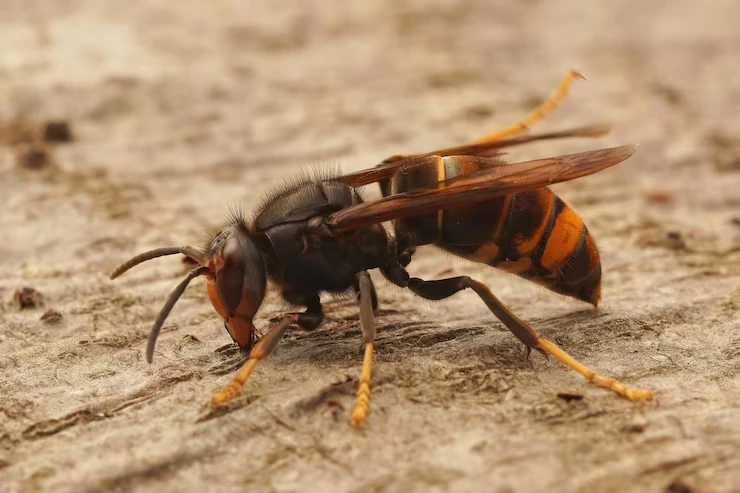
What Are The Best Professional Wasp Removal Methods For Spring?
Spring marks the beginning of heightened wasp activity, as colonies emerge and begin establishing new nests. During this period, wasps become more visible around homes, outdoor structures, and landscaped areas. While early activity may seem manageable, it often signals the start of larger wasp infestations that can escalate quickly if not addressed properly. From a professional standpoint, wasp control requires more than simply removing visible nests. Effective solutions focus on understanding nesting behavior, identifying attractants, and applying targeted methods that prevent colonies from returning. Addressing wasp infestations early in the season is one of the most reliable ways to maintain safety and long-term control. Why Wasp Activity Increases During Spring Spring creates ideal conditions for wasps to begin building nests and expanding their populations. Warmer temperatures and increased food availability encourage rapid development. These conditions allow wasp populations to establish themselves before they are fully noticed. Early intervention is essential, as small nests can quickly develop into larger colonies that are more difficult to manage. Environmental factors also play a role in attracting wasps. For example, certain yard conditions and food sources can significantly increase activity, as explained in our resource on common wasp attractants, where even minor changes in the environment can influence infestation levels. Common Nesting Areas Around Residential Properties Wasps tend to build nests in areas that provide protection from the weather and easy access to food. Many of these locations are hidden or difficult to inspect without proper experience. These nesting sites often go unnoticed during the early stages of colony growth. By the time activity becomes visible, the nest may already be well established. Identifying these locations accurately is a critical step in managing wasp infestations effectively. Professional Methods Used To Remove Wasp Infestations Professional wasp removal relies on a combination of targeted treatments and strategic application methods. These approaches are designed to eliminate active colonies while minimizing risk. These methods are carefully selected based on the size, location, and severity of the infestation. Surface-level removal alone is rarely sufficient, as it may leave portions of the colony active. Professional approaches focus on addressing the entire nest structure and surrounding environment, ensuring that the infestation is fully resolved. Why Professional Intervention Is More Effective Than Reactive Measures Wasp infestations can become hazardous if handled without proper knowledge and equipment. Attempting to address nests without a structured approach often leads to incomplete results and increased risk. These factors highlight the importance of a comprehensive approach to wasp control. Professional methods are designed to reduce risk while achieving more consistent results. For additional insight into effective pest management strategies, our broader pest control insights provide useful information on handling various pest challenges throughout the year. Long-Term Prevention Strategies To Reduce Future Activity Successful wasp control extends beyond removing existing nests. Long-term prevention focuses on reducing the conditions that attract wasps and support nesting. These strategies help create an environment that is less attractive to wasps, reducing the likelihood of recurring infestations. Consistent monitoring and maintenance play a key role in maintaining control, especially during peak seasons when wasp activity is at its highest. Take A Smarter Approach To Wasp Control This Season Wasp infestations can escalate quickly during spring, but early action and professional methods provide a clear path to control and prevention. Addressing both visible nests and underlying conditions ensures more reliable, long-term results.If you are ready to handle wasp activity with a more effective and structured approach, reach out to Extreme Gopher & Pest Control and let us help you protect your space with confidence.

Gopher Prevention Techniques That Actually Work
Gophers can cause extensive damage to lawns, gardens, and landscaped areas in a surprisingly short time. Their tunneling disrupts soil structure, damages plant roots, and creates uneven ground that can affect both appearance and usability. Because much of their activity happens underground, problems often develop before they are fully noticed. Gopher prevention requires more than reacting to visible mounds. It involves understanding how gophers behave, what attracts them, and how to reduce the conditions that support their activity. A consistent approach to gopher prevention helps limit damage and supports healthier outdoor spaces over time. Why Gophers Are Drawn to Certain Properties Gophers do not randomly choose where to settle. They are attracted to environments that provide food, shelter, and soil conditions that are easy to dig through. Certain landscapes naturally create ideal conditions for their activity. Seasonal changes also influence their behavior. In many areas, activity increases during spring when soil conditions improve and food becomes more abundant. Understanding these patterns helps explain why prevention should begin early. For example, changes in seasonal activity are discussed in these spring gopher activity trends, which show how environmental conditions affect movement and behavior. Signs That Gopher Activity Is Increasing Gopher activity rarely starts in a dramatic way. It tends to build gradually, often going unnoticed until the damage becomes more obvious. Recognizing early signs can help prevent a small issue from turning into widespread disruption across the yard. Since gophers spend most of their time underground, the clues they leave behind are subtle but consistent once you know what to look for. An increase in activity usually means that gophers have established active tunnel systems and are feeding regularly. This can lead to root damage, weakened plants, and uneven ground surfaces that may become hazardous over time. In homes with dogs, this is also important because pets may dig into these areas or disturb tunnels, which can worsen the situation. Fresh mounds are often the most visible sign. These piles of loose soil indicate recent digging, and when they appear frequently, it suggests ongoing activity rather than a one-time presence. Uneven ground can follow as tunnels expand, creating soft spots that may collapse under pressure. When multiple signs appear together or begin increasing in frequency, it usually points to a more established presence. Addressing the issue early can help limit further damage and reduce the effort required to restore affected areas. Practical Gopher Prevention Techniques That Work Preventing gopher activity involves reducing the factors that attract them while making the environment less suitable for tunneling. A combination of methods is often the most effective approach. These techniques focus on long-term prevention rather than short-term fixes. By addressing the conditions that support gophers, it becomes more difficult for them to establish and expand their tunnels. However, no single method guarantees complete prevention. Gophers are persistent and adaptable, which is why ongoing attention is necessary. How Gopher Damage Escalates Without Intervention Gopher activity tends to increase if left unmanaged. What starts as a few small mounds can quickly turn into widespread disruption across the property. Over time, this damage can affect both the appearance and functionality of the landscape. Lawns may become uneven, plants may fail to thrive, and ongoing maintenance becomes more challenging. Understanding the extent of potential damage helps highlight the importance of early action. These gopher damage warning signs provide additional insight into when professional intervention may be necessary. Why Professional Gopher Prevention Is More Reliable While basic prevention steps can help reduce risk, gopher activity often requires a more structured approach to achieve consistent results. Their underground behavior makes it difficult to fully address the problem without a clear understanding of tunnel systems and movement patterns. Professional gopher prevention focuses on identifying active areas, applying targeted solutions, and monitoring results over time. This approach reduces the chance of recurring activity and helps maintain long-term control. In addition, professionals consider the broader environment. Soil conditions, irrigation patterns, and surrounding landscapes all influence how gophers behave. Addressing these factors helps create a more complete prevention strategy. A well-planned approach ensures that both current activity and future risk are managed effectively. Instead of reacting to visible damage, it works to prevent the problem from developing in the first place. Keep your landscape protected and stable Gopher activity can quickly disrupt even the most well-maintained landscapes. Preventing damage requires a combination of awareness, consistent monitoring, and targeted action that addresses both visible signs and hidden activity.For those looking for a more dependable solution, professional support provides a clearer path to long-term gopher prevention. Contact Extreme Gopher & Pest Control to protect your property.

Signs Of Spider Infestations Most Homeowners Miss
Spiders are often viewed as occasional, harmless visitors. A web in the corner or a quick sighting may not seem like a cause for concern. However, when these sightings become more frequent or patterns begin to emerge, it can indicate something more persistent beneath the surface. Spider infestations rarely begin with obvious warning signs. Instead, they develop quietly, supported by conditions that allow both spiders and their food sources to thrive. Recognizing these subtle indicators early can help prevent a minor issue from turning into a larger concern. What makes spider infestations particularly misleading is how easily they blend into everyday surroundings. Many signs are overlooked simply because they appear insignificant or are mistaken for normal household conditions. Increased Web Activity In Unnoticed Areas One of the most common signs of spider infestations is an increase in web activity, especially in areas that are not frequently cleaned or inspected. While a single web may not be alarming, repeated buildup in multiple locations often signals ongoing activity. Regular web removal without addressing the source often leads to the same issue returning in the same locations. Rising Insect Activity That Attracts Spiders Spiders rely on other insects for food. An increase in spider presence often reflects a larger issue involving the insects that attract them. This connection is frequently overlooked when evaluating pest activity. Addressing spider infestations effectively requires understanding this relationship. Reducing insect presence often plays a key role in controlling spider populations. Subtle Signs Of Nesting And Movement Spiders do not always remain in visible areas. Many species prefer secluded spaces where they can move undetected. Recognizing signs of this activity helps identify infestations that are not immediately obvious. These indicators often point to a more established population rather than isolated occurrences. Why Spider Activity Often Goes Unnoticed Spider infestations can develop without drawing attention because their signs are easy to dismiss. Unlike some pests, spiders do not always create immediate or visible damage. In many cases, their presence is tolerated until it becomes more noticeable. By that point, the conditions supporting the infestation have already been established. Understanding how spiders behave and where they tend to hide provides valuable context. For example, knowing how infestations are typically managed can offer insight into the scope of the issue, which is explained further in this overview of targeted spider treatments. Recognizing these patterns early allows for more effective intervention before the problem expands. The Importance Of Professional Evaluation For Spider Infestations When signs of spider infestations begin to appear consistently, a more structured approach is often required. Surface-level actions may reduce visibility, but they rarely address the underlying causes. Professional pest control focuses on identifying contributing factors such as insect activity, entry points, and environmental conditions. This allows for a more comprehensive solution that targets both spiders and the conditions that support them. Experience plays a significant role in this process. Understanding how pest control is approached across different environments can provide clarity on how infestations are handled effectively. This perspective is reflected in the overview of our pest control approach, which highlights the importance of strategy and consistency. By addressing the full scope of the issue, it becomes possible to reduce recurring activity and maintain a more controlled environment. A More Careful Approach To Managing Spider Activity Spider infestations often develop quietly, supported by conditions that are easy to overlook. Recognizing the early signs makes it possible to respond before the situation becomes more widespread.For a more reliable and thorough solution, contact Extreme Gopher & Pest Control and take a more informed step toward managing spider activity in your home.

Gopher Damage to Lawns: When to Call a Professional
Healthy lawns often reflect consistent care, balanced soil conditions, and steady maintenance. Yet even the most well-kept landscapes can face sudden disruption from underground activity. Gopher damage is one of the most challenging issues property owners encounter, especially because it develops out of sight before becoming visible on the surface. Gophers are not just passing through. Once they establish a network beneath a lawn, they begin to reshape the soil structure, disturb plant roots, and create uneven terrain. Understanding how this process unfolds is key to recognizing when the situation requires more than observation. How Gophers Reshape the Landscape Below Gophers spend nearly all their time underground, creating complex tunnel systems that serve as both shelter and feeding grounds. Their movement beneath the surface may seem minimal at first, but over time, it significantly alters the condition of the soil and vegetation. Because this activity happens below the surface, early signs often go unnoticed. By the time mounds appear consistently, the underlying damage is already widespread. Gopher damage is not limited to aesthetics. It affects the health and structure of the entire landscape. Why Gopher Activity Intensifies in Certain Seasons Environmental changes play a major role in how and when gophers become more active. Seasonal shifts can influence food availability, soil conditions, and breeding patterns, all of which contribute to increased activity. These patterns explain why certain times of the year bring noticeable increases in surface disruption. A closer look at seasonal gopher activity shows how environmental factors influence their behavior and movement across properties. Understanding these cycles helps property owners anticipate changes, but it also highlights how quickly conditions can shift once activity begins. Signs That Gopher Damage Is Getting Worse Recognizing the progression of gopher damage is essential for determining when the issue requires a more structured response. While occasional soil mounds may seem manageable, repeated or expanding signs indicate a deeper problem. As these signs accumulate, they point to an established network rather than isolated activity. Gopher damage at this stage is rarely contained to one section of the property. Instead, it spreads beneath the surface, often extending farther than expected. This is where timing becomes critical. Delaying action allows gophers to reinforce their tunnels and expand their reach, making the problem more complex to address later. The Broader Impact on Property and Soil Health Beyond visible lawn damage, gopher activity has broader implications for property maintenance and long-term soil health. The effects can extend into structural and functional areas of the landscape. These impacts develop gradually, which makes them easy to underestimate. However, once the structure of the soil is compromised, restoring it requires more than surface-level adjustments. Addressing gopher damage effectively involves understanding how these underground systems interact with the visible landscape. This connection between what happens below and what appears above is often overlooked until the effects become more pronounced. Why Professional Intervention Matters for Gopher Damage Managing gopher damage requires more than reacting to visible signs. It involves identifying active tunnel systems, understanding movement patterns, and applying methods that address both current activity and future risk. Professional approaches focus on locating the full extent of the burrow network, not just the areas where damage is visible. This level of assessment ensures that treatment is targeted and comprehensive. In addition, environmental factors such as soil type, irrigation patterns, and surrounding vegetation must be considered. These elements influence how gophers behave and how they respond to different control strategies. Without this context, efforts may only provide temporary relief. A structured approach to effective gopher solutions allows for a more precise response. By aligning methods with the conditions of the property, it becomes possible to address the root of the problem rather than its symptoms. Professional intervention also emphasizes prevention. Reinforcing vulnerable areas, monitoring activity patterns, and maintaining landscape balance all contribute to reducing the likelihood of recurring issues. Where Lawn Health Begins to Recover When gopher damage is addressed with a comprehensive strategy, the landscape begins to stabilize. Soil regains its structure, plant roots recover, and surface conditions improve over time. However, this recovery depends on addressing the issue at its source. Surface repairs alone cannot resolve the underlying network that caused the damage in the first place. Let Your Lawn Breathe Again When gopher activity starts to reshape your landscape, it is time to act with clarity and precision. Reach out to Extreme Gopher & Pest Control to address gopher damage with a focused approach that supports long-term lawn health.
What Attracts Wasps To Your Yard In Southern California
Southern California’s warm climate allows wasps to remain active for much of the year. While these insects play a role in controlling other pests, their presence near homes, patios, and outdoor living areas can quickly become a safety concern. Stings are painful, and some species can become aggressive when nests are disturbed. Understanding what draws wasps into residential yards is the first step toward effective wasp removal. From landscaping choices to moisture sources, certain environmental conditions create ideal nesting opportunities. Professionals evaluate these factors carefully before developing a plan that reduces attraction and addresses active colonies safely. Warm Weather And Long Active Seasons Southern California’s mild winters and extended warm seasons give wasps a longer window to establish and expand colonies. Unlike colder regions where activity drops sharply, local wasp populations can begin building nests in early spring and continue into late fall. Several species commonly encountered in the region prefer: Early in the season, a single queen begins constructing a small nest. As temperatures rise, worker wasps emerge and expand the colony. By mid to late summer, nests may contain hundreds of individuals. Because colonies grow steadily over time, early identification is important. Professional inspections focus on both visible nests and hidden structural voids that may not be obvious from ground level. Food Sources That Invite Wasp Activity Wasps are highly motivated by accessible food. During different stages of their lifecycle, they seek both protein and sugary substances. Common attractants include: In spring and early summer, wasps hunt insects to feed developing larvae. As the season progresses, adult wasps shift toward sugary foods. This change often explains why activity increases around outdoor events later in the year. Professionals assess these attractants when evaluating a property. Reducing access to food is part of long term management, but once a colony is established, direct wasp removal may still be necessary to resolve the issue fully. Water And Irrigation Patterns Moisture is another key factor in Southern California yards. Even in drier climates, irrigation systems and decorative water features provide reliable hydration for wasps. Attractive water sources may include: Wasps use water to cool their nests and maintain internal temperature. During hot months, accessible water becomes even more valuable to a colony. Professionals often identify minor leaks or irrigation patterns that homeowners may overlook. Correcting these conditions can reduce attractiveness, but addressing an existing nest requires specialized handling to prevent defensive behavior. Structural Features That Encourage Nesting Wasps look for stable, sheltered locations to build nests. Residential construction in Southern California frequently provides these protected areas. Common nesting sites include: Paper wasps often construct umbrella-shaped nests under eaves, while yellowjackets may nest underground or inside wall voids. Some species are more aggressive than others, especially when defending their colonies. Attempting to disturb a nest without proper equipment can trigger swarming behavior. Professional wasp removal strategies focus on timing, protective measures, and precise treatment to minimize risk. Technicians evaluate colony size, location, and species before determining the safest course of action. Why Professional Assessment Matters While preventive steps such as sealing trash bins and adjusting irrigation can reduce attraction, established nests require careful management. Wasps communicate through pheromones, and disturbances can escalate quickly. Professional pest technicians approach wasp removal methodically. The process typically includes: In addition to wasps, trained technicians in Southern California frequently manage ants, spiders, rodents, gophers, cockroaches, and other structural or landscape pests. Integrated strategies ensure that treatment for one pest does not unintentionally create conditions favorable for another. For example, sealing rodent burrows may reduce ground-nesting opportunities for yellowjackets. Addressing moisture issues that attract cockroaches can also reduce prey availability for wasps. Coordinated pest management protects the entire property rather than addressing isolated symptoms. Because wasps can sting repeatedly, and some individuals may experience allergic reactions, safety is a primary consideration. Protective equipment and professional-grade materials are applied in a controlled manner, reducing the likelihood of injury or incomplete treatment. Long-term success involves more than eliminating a visible nest. Monitoring surrounding areas, identifying early signs of rebuilding, and implementing exclusion measures help prevent recurring activity in future seasons. Take Back Your Outdoor Comfort If wasps are building nests around your Southern California property, professional guidance can restore safety and reduce future attraction. For experienced assistance and reliable service, contact Extreme Gopher & Pest Control.
