 5 Reviews
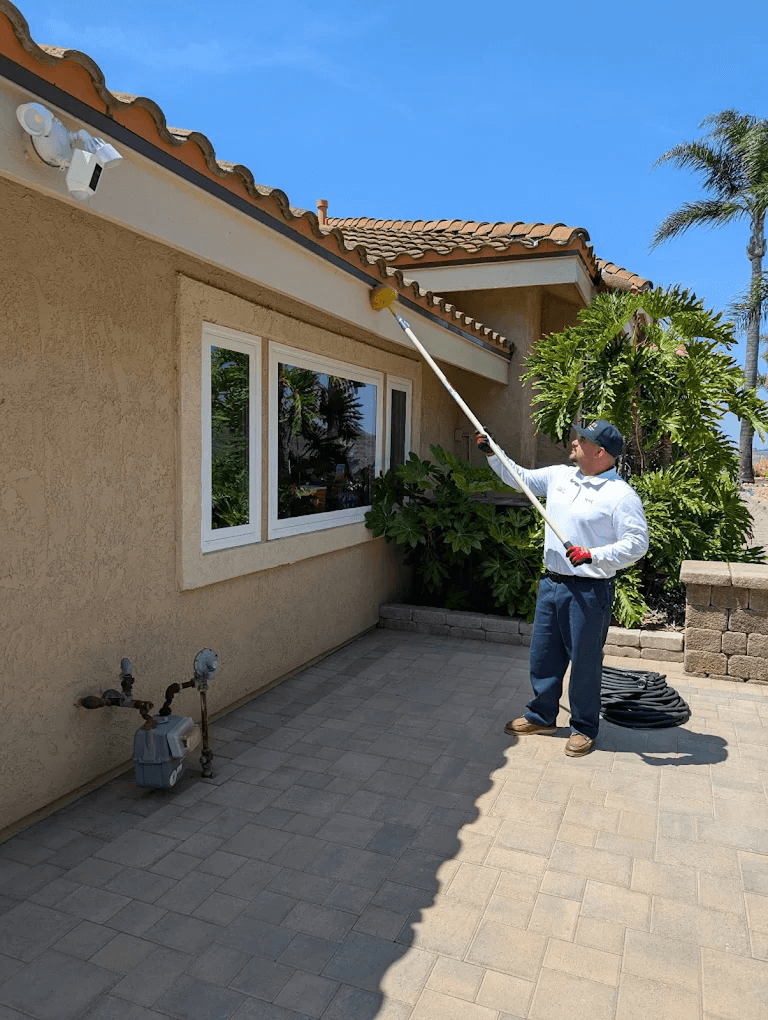
Summer in Ventura County brings warmer temperatures, dry soil, irrigation, outdoor meals, and more time spent in yards. These conditions can increase activity from ants, spiders, cockroaches, fleas, ticks, wasps, rodents, and gophers around homes and landscaped areas. Each pest problem develops for different reasons. Properties near the coast, inland neighborhoods, and heavily landscaped lots may experience different combinations of pressure, even during the same summer week. Some pests move closer to moisture when outdoor areas dry out, while others follow food, shelter, insect prey, or plant roots. Effective control starts with accurate identification and a property-specific inspection rather than treating every sighting the same way. Heat and Dry Conditions Change Pest Movement Summer weather can push pests toward dependable food, water, and shelter. Ants may trail indoors when soil dries, cockroaches can gather around damp utility areas, and spiders often settle where insect prey is plentiful. Rodents may also use garages, storage spaces, and structural gaps when nearby cover changes. Common pressure points include: A professional inspection helps connect indoor sightings with outdoor conditions, making treatment more focused, easier to monitor, and better suited to the property’s actual summer pressure. Seasonal Scheduling Helps Catch Activity Earlier Pest pressure does not rise at the same time across every Ventura County property. Coastal moisture, changing temperatures, landscaping, and household routines can influence when activity becomes noticeable. Homes near irrigated yards may experience different concerns from properties with dry slopes, dense planting, or frequent outdoor gatherings. This guidance on service scheduling explains why flexible timing, inspection, and continued monitoring can be more useful than waiting for an infestation to become obvious. Early service can identify trails, nesting zones, burrows, and entry points before activity spreads. Seasonal follow-up also allows treatment to change when weather, irrigation, or pest movement shifts during summer. Gophers Can Cause Hidden Damage Below the Yard Gophers remain underground while feeding on roots and expanding tunnel systems. Above ground, homeowners may notice fresh mounds, sinking areas, damaged plants, or irrigation trouble. Treating only the visible mound can miss the active runway where the animal is traveling. A precision-focused gopher plan may include: Keeping baiting and treatment below ground helps reduce exposure concerns involving pets, wildlife, and other non-target animals. Because placement is based on verified tunnel activity rather than broad yard-wide application, the approach remains precise while also addressing concerns about secondary exposure. Wasps Become More Noticeable Near Outdoor Living Areas Warm weather supports colony growth and longer foraging periods. Wasps may gather near patios, eaves, fences, sheds, pools, pet bowls, trash, flowering plants, or places where food and sweet drinks are available. Understanding yard wasp attractants can help explain why activity increases near frequently used spaces. A visible nest may be only part of the concern, especially when wasps enter wall gaps or sheltered structural areas. A professional assessment may consider: Inspection-based wasp control reduces guesswork and helps determine which areas require treatment, removal, or continued monitoring. Whole-Property Control Supports Longer-Term Results Summer pest activity often involves several connected conditions. Irrigation can attract insects, insects can support spiders, food and shelter can draw rodents, and healthy roots may encourage gopher tunneling beneath lawns. Treating one visible symptom may leave the larger pattern unchanged. A complete approach identifies each pest before selecting a treatment method, inspects indoor and outdoor areas for nesting and entry, and addresses moisture, food, shelter, clutter, and structural gaps. Targeted treatment should be placed only where activity is confirmed, with follow-up scheduled when seasonal pressure or hidden activity continues. Ventura County homes can experience changing pest pressure throughout summer, so long-term control depends on consistent observation. Professional service brings the training needed to distinguish active evidence from old signs and to adjust treatment as conditions change. The objective is not to apply more product than necessary. It is to understand why the pest problem developed, target the source precisely, and confirm through follow-up that activity is declining. Keep Summer Pest Pressure Under Control When summer pests begin affecting your home, yard, or outdoor spaces, early professional attention can keep the response focused. Contact Extreme Gopher & Pest Control for targeted service, thoughtful prevention, and long-term follow-up.
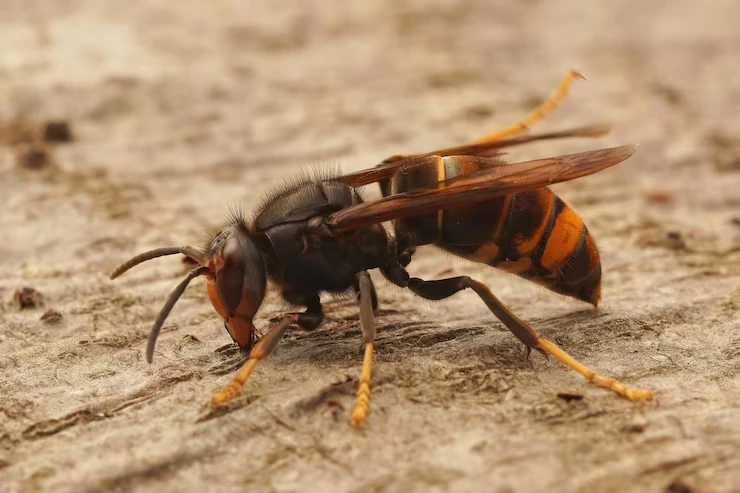
Why Wasp Nests Become More Active In Warm Weather
Warm weather changes the pace of a wasp colony. As temperatures rise, queens establish nests, workers emerge in greater numbers, and colonies expand their search for food, water, and building material. This increase matters because wasps often build near eaves, patios, fences, sheds, play equipment, and other frequently used spaces. Effective wasp control starts with identifying the nest, assessing surrounding conditions, and choosing a response that reduces sting risk and repeated activity. Warm Temperatures Accelerate Colony Growth Most social wasp colonies begin with a queen that survives the colder months and starts a new nest when conditions become favorable. Early in the season, she handles nest construction, egg-laying, and feeding the first larvae. Once workers mature, they take over foraging and nest expansion, allowing the queen to produce more offspring. As the colony grows, activity becomes easier to notice. Several warm-weather factors support this increase: A nest that seems quiet in early spring may contain a much larger population weeks later. Greater numbers also mean more movement around entry points and nesting zones. Food, Water, and Shelter Keep Wasps Close Warm-weather landscapes often provide exactly what wasps need. Food sources, standing water, and sheltered structures can support repeated foraging. Pools and children’s activity areas deserve particular attention because people may unknowingly move close to feeding or nesting zones. Wasps attracted to water, food residue, shade, or protected structures can create accidental encounters. This overview of summer sting risks explains why pools and play spaces can become especially concerning when warm-weather activity intensifies. Nest placement also affects how noticeable a colony becomes. A visible paper nest beneath an eave is easier to recognize than activity inside a wall void, hollow post, shed, or concealed space. Larger Colonies Become More Defensive As a colony develops, more workers become available to guard the nest and react to perceived threats. Normal household activities can become risky when they occur close to a hidden nest. Common situations that may trigger defensive behavior include: Wasps can react quickly when they sense vibration, movement, or direct interference near the colony. The danger is not limited to the first sting, particularly when multiple workers respond at once. The location, colony size, species, and human activity around the nest should all be considered before treatment. Professional assessment helps determine where the activity originates and which surrounding areas require attention. Why Quick Removal Does Not Always Solve the Problem A visible nest may look like the entire issue, but successful wasp control requires a broader view. The colony may occupy a concealed space, have a difficult-to-reach entrance, or be positioned where disturbance increases exposure. Treating only what is visible can leave active wasps or favorable nesting conditions behind. A structured professional approach may include: The safety difference becomes especially important during peak activity. This guide to safer wasp removal explains how inspection, protective equipment, precise treatment, and long-term prevention contribute to a more controlled response. Long-Term Wasp Control Starts With the Whole Property Warm weather strengthens the conditions that allow wasp colonies to grow, forage, and defend their nesting space. That is why long-term results depend on more than one-time nest removal. A thorough inspection considers rooflines, eaves, fences, wall gaps, patios, sheds, landscaping, trash areas, water sources, and other places where wasps may feed or establish nests. The objective is to identify active pressure points and reduce conditions that make repeated nesting more likely. This property-wide approach can also help professionals distinguish wasp activity from other pest concerns, including ants, cockroaches, fleas, ticks, gophers, rodents, and spiders. When a colony is active, timing matters. Warmer conditions can support rapid growth, while a nest near an entrance, play area, pool, patio, or walkway raises the chance of close contact. Early professional evaluation can make the response more precise, controlled, and better suited to the property’s layout. Keep Warm-Weather Wasp Activity From Escalating A growing wasp nest can quickly turn a familiar outdoor area into a high-risk space. Contact Extreme Gopher & Pest Control for professional wasp control focused on safe treatment, careful inspection, and long-term prevention.
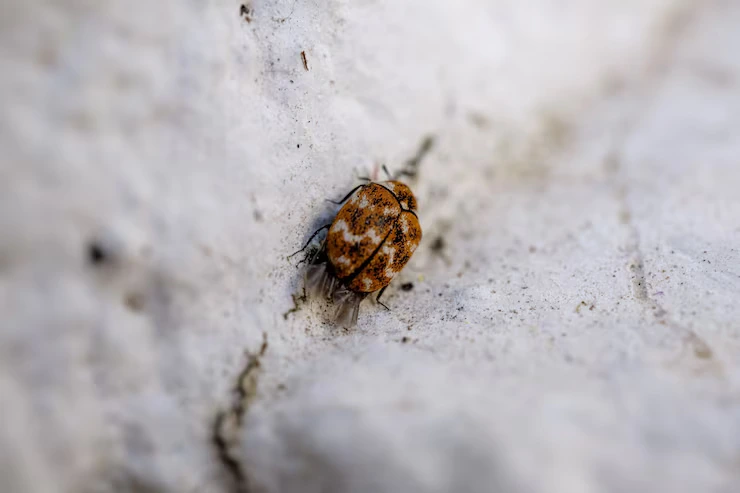
Flea and Tick Risks for Pets in Oxnard: Prevention Tips
Oxnard’s coastal weather gives families many reasons to keep pets active outdoors. Mild temperatures, shaded yards, irrigated lawns, patios, and neighborhood walks can also create steady flea and tick pressure around homes. Dogs and cats may pick up pests from grass, soil edges, outdoor bedding, fence lines, or contact with areas where rodents and other animals have passed through. Once fleas or ticks reach a pet, the issue can quickly move from the yard into carpets, furniture, bedding, and resting areas. Tick prevention is most effective when it treats the home, pet routine, and property as connected parts of the same problem. Fleas and ticks are not only pet concerns. They are environmental pests that can hide in shaded outdoor zones, survive in indoor resting spots, and return when the source is not found. Professional inspection helps identify where activity is building and which areas need careful attention. Understand Where Pets Pick Up Fleas And Ticks Pets are often the first visible clue, but they are rarely the only location involved. Fleas may develop where pets sleep, scratch, or spend long periods. Ticks may wait in vegetation, lawn edges, brushy areas, or shaded ground cover before attaching to a passing animal or person. Common risk areas include: A pet may bring pests indoors even when the real source remains outside. This is why inspection should include both indoor comfort areas and exterior pressure zones. Know Why Oxnard Summers Raise Tick Pressure Summer in Oxnard can keep outdoor pest activity steady because mild coastal air, irrigation, and shaded landscapes hold enough moisture for pests to remain active. Pets spend more time outside, families open doors more often, and yards become gathering spaces. These patterns can increase the chances of fleas and ticks moving closer to daily living areas. Ticks are especially concerning because they may stay hidden until they attach. A small population can be overlooked if the yard is not checked carefully. When professionals evaluate summer tick areas, they look beyond the lawn surface and review the spots pets actually use. A focused tick prevention plan may consider where pets nap, where shade remains longest, where vegetation touches walkways, and whether rodents, gophers, spiders, wasps, ants, or cockroaches indicate broader pest pressure. The goal is not to treat everything the same way. It is to connect the pest, the route, and the environment. Watch For Signs Around Pets And Indoors Flea and tick activity can be easy to miss at first. Pets may scratch, lick, bite at their skin, or seem restless before homeowners see the pest. Fleas may leave tiny dark specks on bedding or appear near ankles. Ticks may attach quietly and remain hidden under fur. Signs to watch for include: Pet owners should coordinate pet-specific prevention with a veterinarian. A professional pest service focuses on the property conditions that allow fleas and ticks to continue. Both pieces matter because the pet and the environment can keep reinfesting each other if only one side is addressed. Treat The Environment, Not Just The Pet Flea problems often continue because eggs, larvae, pupae, or adult pests remain in the home or yard after the pet is treated. Indoor resting areas, soft surfaces, shaded patios, and protected outdoor zones can keep the cycle active. That is why flea control should be viewed as an environmental issue as well as a pet concern. A complete plan may include: Professional service helps determine whether the activity is active indoors, concentrated outdoors, or moving between both. That matters because a one-time surface response may miss hidden life stages or the source location. Help Pets Enjoy A Calmer Yard Flea and tick issues around pets are easier to manage when the yard, home, and pet routine are inspected together. For professional flea and tick control, tick prevention, pest control, ant control, cockroach control, gopher control, rodent control, spider control, wasp control, and practical prevention guidance, contact Extreme Gopher & Pest Control.

How To Spot Gopher Damage Before It Ruins Your Yard
Gopher damage often starts quietly below the surface. By the time a lawn looks uneven, a plant collapses, or irrigation stops working properly, the tunnel system may already be active across several parts of the yard. Because gophers spend most of their time underground, early detection depends on reading small surface clues before the damage spreads. Professional gopher control looks at more than one mound. It considers soil movement, tunnel direction, plant stress, moisture patterns, and repeat activity. That matters because gophers can affect lawns, garden beds, shrubs, young trees, and irrigation lines while staying mostly hidden. Spotting the early signs gives homeowners a better chance of protecting the yard before the problem becomes expensive and difficult to correct. It also helps protect landscaping investments that take time to replace. A lawn can be reseeded, but damaged roots, broken irrigation, and weakened soil structure may require more careful repair. Early attention keeps the response focused on active pressure instead of broad restoration once visible yard damage has already spread across the property. Fresh Mounds Are Often The First Warning The most recognizable sign of gopher activity is a fresh soil mound. These mounds are usually crescent-shaped or fan-shaped because gophers push soil out from underground tunnels, then plug the opening. New mounds may look loose, moist, or darker than the surrounding soil, especially after digging activity. Look for these mound patterns: Mound location can help show where the animal is feeding or expanding its tunnel system. During warm months, activity may shift as soil moisture, food availability, and plant growth change. This is why summer gopher activity often needs careful attention instead of a one-time reaction. Plant Stress Can Point To Root Damage Gophers feed on roots, bulbs, and underground plant parts. A healthy-looking plant may suddenly wilt because the root system has been damaged below the soil. This can be confusing because the problem may look like drought stress, poor soil, irrigation failure, or disease. When plant decline appears near fresh mounds, gopher activity should be considered. Warning signs around plants include: These signs deserve a closer inspection because surface damage may not show the full tunnel network. Gophers can move beneath lawns and planting areas while feeding in sections. If the active runway is missed, damage can continue even when the most visible mound has been disturbed or flattened. A professional assessment helps separate gopher damage from other pest or yard issues. Ants, rodents, fleas, ticks, spiders, wasps, and cockroaches have different signs and treatment needs, so accurate identification keeps the response focused. In a yard setting, that accuracy is especially important because roots, soil, irrigation, and exterior pest pressure can overlap. Soft Ground And Repeat Damage Need Attention Another early clue is ground that feels unstable. Tunnels can create air pockets beneath turf, mulch, or garden beds. Homeowners may notice a slight dip while walking, uneven mower movement, or soil that collapses after watering. These changes often appear near active runs and can worsen as tunnels expand. Pay attention to repeated patterns such as: Repeat damage is one of the strongest signs that the issue is not fully resolved. Gophers may keep using favorable soil, food sources, and protected pathways, especially when conditions remain attractive. For homeowners dealing with recurring activity, the reason gophers keep returning often comes down to missed active tunnels, nearby pressure, or incomplete follow-up. This is where professional service becomes especially valuable. A trained inspection can identify active areas, distinguish old mounds from fresh activity, and determine whether the damage pattern is spreading. Follow-up checks also matter because gopher behavior can change as soil dries, plants mature, or new tunnels appear. Long-term yard protection depends on tracking those changes rather than reacting only when the lawn looks torn up. Protect The Yard Before Damage Spreads Gopher damage is easier to manage when mounds, plant stress, and soft ground are addressed early. For precise inspection, gopher control, rodent control, ant control, spider control, cockroach control, wasp control, and flea and tick support, contact Extreme Gopher & Pest Control.
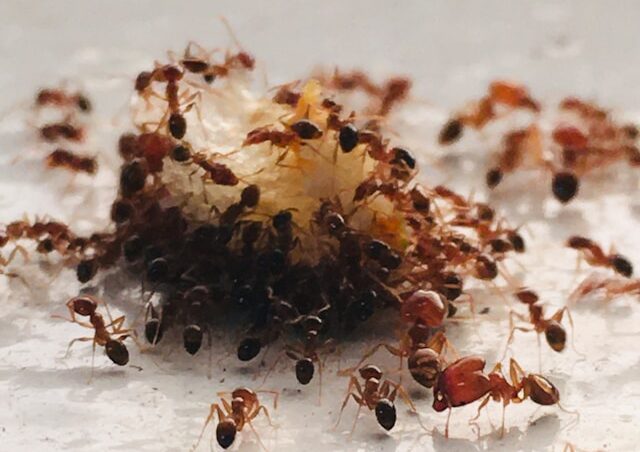
Ant Trails Indoors: What They Mean and What to Do
An indoor ant trail is more than a few insects wandering across a counter. It is usually a communication line between food, water, shelter, and the colony. Ants leave scent trails that guide other workers to the same resource, which is why a small line near a window, sink, pantry, or baseboard can grow quickly once the route is established. Ant control starts with understanding what the trail is telling you. The visible ants are only a small part of the colony’s activity. The source may be outdoors, inside a wall void, under flooring, near plumbing, or along a foundation edge. In Oxnard homes, ants can also be part of broader pest pressure involving cockroaches, spiders, wasps, fleas, ticks, rodents, and gophers. A professional inspection helps identify the trail, source, and return conditions. Trails Reveal Food, Water, Or Shelter Ants trail indoors because something is supporting their movement. They may be looking for crumbs, sweets, grease, pet food, moisture, or a protected place to nest. Kitchens and bathrooms are common, but trails can also appear in laundry rooms, garages, bedrooms, and offices. An ant trail should be treated as evidence, not as the entire problem. The important question is where the ants are coming from and why they chose that route. The Source May Be Outside Many indoor ant problems begin outdoors. Colonies may nest in soil, lawns, planter beds, mulch, cracks, concrete edges, fence lines, or near irrigation. Workers may enter through tiny gaps around doors, windows, utility lines, or foundation openings. Once they find food or water indoors, the trail becomes more active. This is why source-focused ant control matters. Treating the visible line alone may interrupt activity briefly, but the colony can continue sending workers through the same or a nearby route. The better approach is to connect indoor sightings with exterior pressure, entry points, and the colony’s likely location. Professional service can also identify whether the activity is connected to moisture, landscaping, or seasonal changes. Entry Points Are Often Overlooked Ants can enter through openings so small they are easy to miss. A gap near a window frame, plumbing line, sliding door, or baseboard can support steady activity if the colony has a reason to keep coming inside. These entry points may not be in the room where the ants are most visible. Finding entry points requires more than watching the last few ants in the trail. Technicians look for direction, trail intensity, food access, moisture, and exterior conditions to determine how the ants are moving. Scheduling Service Helps Prevent Recurrence Ant trails can return when treatment is delayed or when only one area is addressed. Activity may shift after weather changes, irrigation adjustments, food availability, or colony movement. A single sighting may not require the same plan as repeated ant trails across several rooms, but recurring activity should be evaluated before it spreads. A structured approach to service scheduling helps homeowners understand when inspection, treatment, and follow-up are most useful. In many cases, early service prevents ants from expanding into kitchens, bathrooms, pantries, garages, or shared walls. Scheduling also matters because ants are not the only concern. Cockroaches, spiders, wasps, fleas, ticks, rodents, and gophers can all respond to the same property conditions that create pest pressure around the home. Long-Term Control Depends On The Colony The biggest mistake homeowners make is focusing only on the ants they can see. Long-term control depends on the colony, the trail, the entry point, and the conditions that support activity. If those pieces are not addressed together, the trail may disappear temporarily and then return. A strong plan can address ant activity while considering other pest concerns listed for the property, including gopher control, rodent control, spider control, cockroach control, wasp control, and flea and tick control. Professional evaluation helps determine whether the issue is an indoor attractant, an outdoor colony, or both. When the source is identified, treatment becomes more precise, follow-up becomes more meaningful, and recurring ant trails become easier to reduce. Stop Ant Trails At The Source For Ant control that looks beyond the visible line and considers colony behavior, food sources, moisture, entry points, and recurring pest pressure around your Oxnard property, contact Extreme Gopher & Pest Control for professional support shaped around lasting home protection.
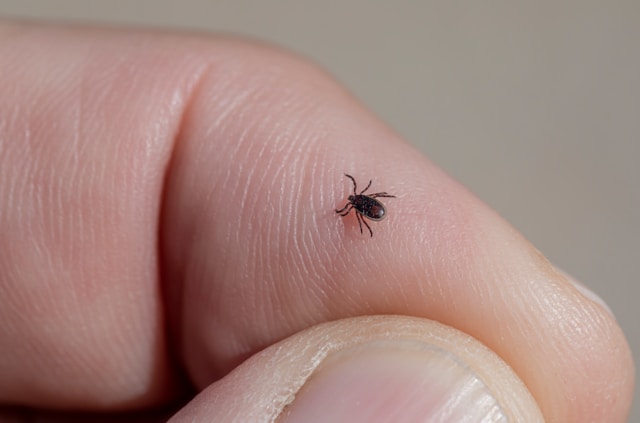
Summer Tick Hotspots Around Your Oxnard Property
Summer in Oxnard brings mild coastal air, outdoor gatherings, active pets, and more time spent in yards. It also creates conditions where ticks can become harder to avoid. Ticks do not fly or jump. They wait in protected areas, attach to passing people or animals, and move through the property when shade, hosts, and moisture are available. Effective tick control starts by finding the places where activity is most likely to build. Around Oxnard homes, hotspots may include shaded landscaping, pet resting areas, fence lines, brushy edges, lawn borders, and places where rodents or other small animals travel. Fleas, ants, cockroaches, spiders, wasps, rodents, and gophers can also reflect wider property conditions that support pest activity. A careful, inspection-based approach helps identify where ticks are coming from and how to reduce repeated exposure. Shaded Yard Edges Can Hold Tick Activity Ticks prefer areas that protect them from drying out. During summer, that often means shaded, humid, or low-traffic zones around the yard. Tall grass, thick ground cover, overgrown borders, and debris near fences can create places where ticks wait for hosts. These areas matter because people and pets often brush against them without noticing. Professional inspection can locate the most likely hotspots, so treatment focuses on real pressure points instead of the entire yard without strategy. Pets And Resting Spots Can Spread Activity Pets can carry ticks from shaded outdoor areas into patios, bedding areas, garages, and indoor resting spaces. Even when pets receive regular care, the surrounding environment can continue supporting tick pressure. The issue is not only the animal. It is the places the animal visits, rests, and travels through each day. This is similar to flea pressure, where the environment must be considered alongside the pet. Guidance on flea treatment zones explains why resting spots, shaded pockets, and life cycle stages matter. With ticks, the same principle applies. The yard, pet paths, bedding areas, and exterior shelter should all be reviewed together. A professional service plan can help connect pet exposure with outdoor conditions. That makes tick control more complete and practical for busy households. Rodent And Wildlife Pathways Raise Exposure Ticks often depend on hosts to move through a property. Rodents, outdoor animals, and pets can carry ticks into areas where people spend time. Around Oxnard homes, rodent routes near fences, garages, sheds, landscape borders, and stored materials can increase risk. Gopher activity may also indicate soil disturbance and lawn conditions that deserve closer attention, even though ticks use hosts rather than tunnels to spread. When ticks keep appearing, the source may not be a single patch of grass. It may involve animal movement, shelter, and repeated contact points across the property. Scheduling Service Helps Catch Seasonal Pressure Summer pest activity changes with weather, moisture, landscaping, and household routines. Ticks may increase after vegetation thickens, pets spend more time outdoors, or rodents move along protected routes. Fleas, ants, spiders, cockroaches, wasps, rodents, and gophers can also shift as outdoor conditions change. A structured approach to service scheduling helps homeowners respond before activity becomes widespread. Instead of waiting until bites or sightings become frequent, scheduled inspection can identify risk areas, active pest pressure, and treatment needs based on the season. This is especially useful in coastal communities where pests may stay active for long periods. Consistent follow-up allows adjustments when yard growth, weather, or pest patterns change. Long-Term Prevention Starts With The Property Reducing tick exposure requires a property-wide view. The goal is to make the yard less supportive of ticks, their hosts, and the conditions that keep activity close to daily living areas. A one-time treatment may help with immediate pressure, but long-term improvement usually depends on inspection, targeted treatment, and prevention guidance. Professional tick control can also fit within a broader pest plan that considers fleas, ants, cockroaches, spiders, wasps, rodents, and gophers. When the full property is evaluated, treatments can be placed where ticks and related pests are most likely to live, move, and return. Make Summer Outdoor Areas Easier To Enjoy For a clearer understanding of tick hotspots, shaded pest pressure, pet-related exposure, and yard conditions that may be increasing summer activity, contact Extreme Gopher & Pest Control for professional tick control support tailored to your Oxnard property.
The Dangers of Wasps Around Pools and Play Areas This Summer
Pools and play areas are built for comfort, movement, and family time, but summer wasp activity can quickly change the mood of those spaces. Wasps are drawn to the same outdoor conditions people enjoy: warmth, water, shade, food, and protected nesting areas. Around a pool deck, swing set, patio, pergola, fence line, or shaded corner, a small amount of activity can become a serious concern when children, pets, and guests are nearby. Wasp control becomes especially important when nests develop close to places where people gather. Unlike some pests that hide and avoid contact, wasps can become defensive when their nest is disturbed. Understanding these risks helps homeowners take summer wasp pressure seriously before stings, panic, or repeat activity disrupt outdoor routines. Pools Attract Wasps For Water, Shade, And Food Pools can unintentionally create a wasp-friendly setting. Wasps need water during hot weather, and pool areas often provide moisture, spills, shade, and food residue from outdoor gatherings. They may land near water features, drains, pool toys, trash bins, or eating areas before nesting nearby. The danger grows because people around pools are often barefoot, distracted, or moving quickly. A sting near wet surfaces can cause sudden movement, slipping, or panic, especially for children. When wasps appear repeatedly, the issue should be evaluated as more than a temporary nuisance. Play Areas Create Higher Sting Risks Play areas can make wasp encounters more unpredictable. Children run, climb, swing, shout, and grab surfaces without checking for hidden nests. Wasps may build under playhouses, in hollow posts, near fence corners, inside sheds, or beneath rooflines close to outdoor toys. Because children may not recognize warning signs, the risk of accidental nest disturbance is higher. Professional service is safer because wasp behavior can change quickly once a nest is threatened. The risk is not only the first sting. Multiple wasps may defend the area, and some people may have stronger reactions to stings than expected. For homeowners weighing the danger of handling nests themselves, this overview of safer wasp removal explains why experience, protective equipment, and proper treatment matter. Nest Location Determines The Level Of Danger The same wasp problem can carry different risks depending on where the nest is located. A nest high in a tree away from daily activity is different from one under a deck rail, near a gate, inside a wall void, or attached to playground equipment. Around pools and play areas, location matters because people pass close to the nest repeatedly. Wasp activity often increases as colonies grow through the season. A nest that seemed small in spring may become more active by summer. For timing and treatment insight, this guide to spring wasp methods shows why early identification and proper removal can reduce later risk. Lasting Protection Requires More Than Nest Removal Removing the visible nest is only one part of the solution. Wasps may rebuild when food sources, nesting surfaces, and sheltered areas remain attractive. A long-term plan reviews the full outdoor environment, including patios, pool equipment zones, rooflines, fences, storage areas, landscaping, and play structures. Professional inspection can also identify related pest pressure around the property, including ants, cockroaches, fleas, ticks, gophers, rodents, spiders, and general household pest concerns. These issues are different from wasps, but they may share outdoor attractants such as food, shelter, clutter, and access points. The goal is practical protection. Families should be able to use pools and play areas with fewer interruptions, less uncertainty, and a clearer understanding of where wasps may return. A structured approach can include nest identification, targeted treatment, follow-up guidance, and prevention recommendations shaped around how the outdoor space is used. Make Outdoor Spaces Safer For Summer Wasps around pools and play areas can create avoidable sting risks when nests, food sources, and high-traffic spaces overlap. For safer wasp service and broader outdoor pest protection, contact Extreme Gopher & Pest Control for professional services.
Why Gopher Activity Increases During California Summers
California summers can be rough on lawns, gardens, and landscaped areas. Heat dries exposed soil, irrigation becomes more frequent, and plant roots become valuable food sources beneath the surface. For gophers, these seasonal changes create a stronger reason to tunnel, feed, and expand underground systems near residential properties. Gopher activity often looks simple from above: fresh mounds, soft spots, damaged plants, and uneven turf. Below the surface, the problem is more complex. Gophers build tunnel networks that allow them to move safely, feed on roots, and avoid open exposure. That is why gopher control becomes more important during summer, when soil conditions, watering routines, and plant growth can make yards more attractive. Summer irrigation softens soil and supports tunneling Dry California summers often lead homeowners to water more frequently. Irrigation helps lawns and gardens survive, but it can also soften the soil enough for easier tunneling. Gophers prefer underground routes that let them reach roots and tubers without coming above ground. When watered, soil stays workable, and tunnel systems can expand faster through lawns, planter beds, and landscaped borders. Irrigation can also keep root systems active, giving gophers more food in areas that remain green through the heat. A yard may become more appealing than surrounding dry ground because it offers moisture, cover, and fresh plant growth. Food sources become more concentrated in maintained yards As natural vegetation dries out, maintained landscapes may stand out. Lawns, vegetable gardens, ornamental plants, shrubs, and young trees can offer the roots and underground growth gophers need. This is why residential yards can become more vulnerable during hotter months, especially when nearby open land becomes less productive. Gophers do not need a large visible opening to cause damage. They may feed below the surface while plants weaken from the roots. A shrub can decline suddenly. Turf can collapse underfoot. Irrigation lines may be disturbed by tunneling. These signs often appear after activity has been developing for some time. Understanding why gophers return matters because the visible mound is rarely the whole issue. This article on recurring gophers explains how underground systems and favorable yard conditions can keep activity active even after surface signs are disturbed. Gopher tunnels expand when conditions remain stable Gophers are solitary, but their tunnel systems can be extensive. During summer, stable conditions in watered yards allow them to stay protected underground while feeding and moving. The surface may only show a few mounds, but the tunnel pattern can cover more space than expected. This is one reason casual observation can be misleading. A homeowner may remove a mound, level the soil, or replant damaged areas, then see new mounds appear nearby. The problem did not necessarily restart. It may have continued through connected tunnels. Professional inspection helps identify fresh activity, travel direction, feeding zones, and the best control strategy. It also helps separate gopher damage from other pest concerns, such as rodents, ants, spiders, cockroaches, fleas, ticks, or wasps that may require different treatment plans. Timing makes summer service more effective Summer gopher issues should be handled with timing in mind. Activity can change as soil dries, irrigation shifts, plants mature, and landscaping projects disturb the ground. Waiting too long can allow more roots, turf, and irrigation areas to be affected. A scheduled service visit creates a clearer path forward because the property can be reviewed while evidence is fresh. Homeowners looking for a practical way to arrange help can use this guide on scheduling service to understand how consistent, timely support fits into long-term property protection. Gopher activity increases during California summers because maintained yards offer what dry surroundings often lack: moisture, roots, soft soil, and shelter. The most effective response looks beneath the surface and treats the problem as an active underground system, not just a few mounds. Protect Your Lawn Before Tunnels Spread A summer lawn can recover better when gopher activity is addressed before roots, turf, and irrigation areas take heavier damage. For careful inspection, focused treatment, and practical prevention guidance, contact Extreme Gopher & Pest Control.
Why Gophers Keep Returning And How To Stop Them
Gophers are persistent because they are not simply visiting the yard. They are building an underground system that gives them food access, shelter, and protected movement. A few fresh mounds can quickly become a wider pattern of tunnels beneath turf, planting beds, trees, and irrigation lines. Once a yard offers soft soil, roots, moisture, and cover, gophers may keep returning even after the surface damage is smoothed over. Effective gopher control requires more than flattening mounds or guessing where the animal traveled. The important work happens below the surface, where active runs, feeding zones, and fresh soil movement reveal what is still happening. In the same way that ants, cockroaches, fleas, ticks, rodents, spiders, and wasps need source-focused treatment, gophers require a plan built around behavior, timing, and follow-up. Without that deeper approach, a yard can look repaired while the underground problem continues. Why Gophers Choose Certain Lawns Again And Again Gophers return to yards that give them easy digging and steady food. Healthy turf, vegetable gardens, ornamental roots, shrubs, and young trees can all attract them. Loose or moist soil makes tunneling easier, while consistent watering can keep roots and soil conditions appealing. Common return factors include: Because activity happens underground, the visible mound is only a clue. Professional inspection helps determine whether the mound is fresh, whether tunnels are active, and where control efforts should be focused. Surface Repairs Do Not Stop Active Tunnels Filling holes and leveling soil may improve appearance, but it does not remove the tunnel system. Gophers can close old openings, create new mounds, and continue feeding from hidden runs. If the main activity is not located, the yard may show fresh damage within days. A guide on gopher prevention explains why prevention works best when it addresses access, plant protection, and ongoing activity instead of only the surface mess. The tunnel network is the reason gophers feel like they “come back” after a yard looks repaired. Warning signs of active tunnels include: These signs usually call for a more precise plan. Gopher control works best when active runs are identified, treated strategically, and checked again for changes. Damage Can Spread Beyond The Lawn A returning gopher problem can affect more than the grass. Tunnels can disturb soil stability, expose roots, interrupt plant health, and damage irrigation components. Trees, shrubs, flowers, vegetable beds, and landscaped borders can all be affected when gophers keep feeding and expanding their runs. This resource on lawn damage signs shows why repeated mounds and spreading damage deserve professional attention before the problem becomes harder to manage. Property concerns may include: The longer the activity continues, the more difficult it becomes to understand the full underground pattern. A professional review can separate old damage from active movement and help protect the remaining landscape. Long-Term Control Depends On Monitoring And Prevention Gophers are territorial, but vacant tunnel systems may still attract new activity if conditions remain favorable. That is why long-term protection depends on monitoring, rechecking, and reducing the reasons gophers keep choosing the property. A one-time response can help with current activity, but the yard still needs attention when weather, irrigation, planting, or neighboring pressure changes. Prevention may include protecting high-value plants, reviewing irrigation habits, reducing overgrown areas, and watching for fresh soil. Professional support adds another layer by mapping active runs, using proven control strategies, and returning to evaluate the pattern. This is especially useful when gophers affect lawns repeatedly or when damage appears near expensive landscaping, trees, or irrigation zones. The goal is not only fewer mounds. It is a quieter soil system, healthier roots, and a clearer understanding of what the yard needs to stay protected. Restore The Lawn From Below The Surface Gophers keep returning when the underground conditions still support food, shelter, and movement. A source-focused plan can identify active runs, reduce current pressure, and help prevent the same damage from rebuilding across the property. For professional gopher control and practical pest support, contact Extreme Gopher & Pest Control.
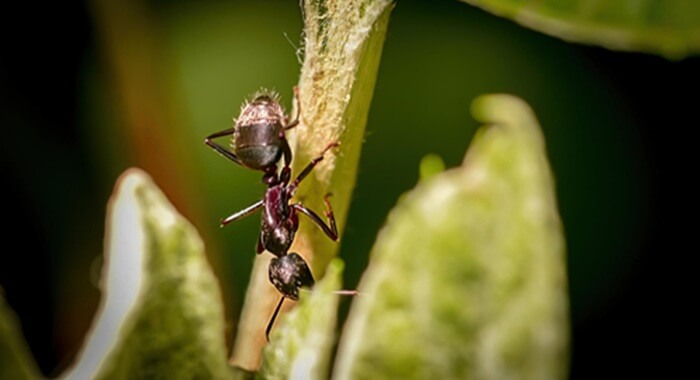
Ant Control Tips That Stop Infestations At The Source
Ants are among the most persistent household pests because they rarely travel alone. What begins as a small trail near a sink, pantry, or window often points to a much larger colony hidden behind walls, beneath concrete, or outside the home. Ant infestations may become more active during warmer months when food sources, moisture, and favorable nesting conditions increase around residential properties. Effective ant control focuses on stopping the infestation at its source rather than reacting only to visible ants indoors. Long-term prevention depends on understanding how ants travel, where colonies form, and which environmental conditions allow them to continue returning throughout the property. Outdoor Conditions Often Trigger Indoor Activity Many homeowners first notice ants inside kitchens, bathrooms, or garages, but colonies often begin outdoors. Landscaping, moisture buildup, and structural gaps can all create favorable conditions that allow ants to move closer to the home over time. Ants are highly organized and follow scent trails that lead workers back to food and water sources repeatedly. Once those pathways become established, indoor sightings may continue even after surface cleaning temporarily removes visible ants. Professional ant control inspections help identify where colonies are nesting and which environmental conditions are contributing to repeated activity. Treating only visible ants rarely resolves the full infestation if outdoor nesting zones remain active nearby. Kitchens And Moisture Areas Require Close Attention Ants frequently invade areas where moisture and food access are available consistently. Kitchens, laundry rooms, bathrooms, utility spaces, and pet-feeding areas often become high-activity zones because they provide reliable conditions for survival. Because ants can enter through extremely small openings, homeowners may not notice the exact point of entry immediately. Utility penetrations, window gaps, foundation cracks, and damaged weather-stripping may all allow movement indoors. Seasonal weather changes can also influence ant behavior throughout the year. Warmer temperatures, rainfall, and changing moisture conditions often affect colony movement and nesting patterns around homes. Homeowners can better understand these patterns through these seasonal ant patterns affecting residential properties in Oxnard. Understanding why ants are entering the structure helps support more targeted long-term prevention efforts. Surface Treatments Rarely Eliminate Colonies Completely One reason ant infestations continue returning is that many treatment attempts only affect visible worker ants while leaving the colony itself untouched. Colonies may contain thousands of ants hidden inside walls, beneath slabs, within landscaping, or around exterior structures. Professional ant control strategies focus on identifying nesting zones, colony movement patterns, and environmental factors supporting infestation growth. This broader approach often provides more reliable long-term results than reacting only to visible trails inside the home. Inspections may also reveal additional pest activity contributing to environmental conditions around the property. Rodents, cockroaches, spiders, fleas, ticks, gophers, and other pests often share similar moisture and shelter conditions outdoors. Because ant infestations can spread gradually, early attention often helps prevent larger recurring problems later. Long-Term Prevention Depends On Ongoing Monitoring Ant control works best when homeowners focus on long-term prevention instead of one-time reactionary treatments. Colonies may remain active seasonally, especially when outdoor conditions continue supporting nesting and food access near the home. Properties with heavy landscaping, irrigation systems, outdoor food areas, or structural vulnerabilities may require more consistent monitoring throughout warmer seasons. Long-term prevention plans help professionals adjust strategies as environmental conditions change over time. Professional evaluations also help determine whether the activity involves one isolated colony or broader infestation pressure around the property. Homeowners exploring long-term pest management planning can review these service scheduling tips to better understand how consistent inspections support stronger prevention results. Because ants often remain hidden until populations grow larger, ongoing monitoring helps uncover developing infestations before they spread further indoors. Build Stronger Protection Against Recurring Ant Activity Ant infestations often continue returning when hidden colonies, moisture conditions, and outdoor nesting areas remain untreated around the property. Effective ant control focuses on identifying the source of activity, reducing environmental attractants, and supporting long-term prevention throughout the home. Professional inspections also help uncover hidden vulnerabilities homeowners may easily overlook during routine maintenance. For professional ant control and long-term pest prevention support, contact Extreme Gopher & Pest Control.
