 8+ Reviews
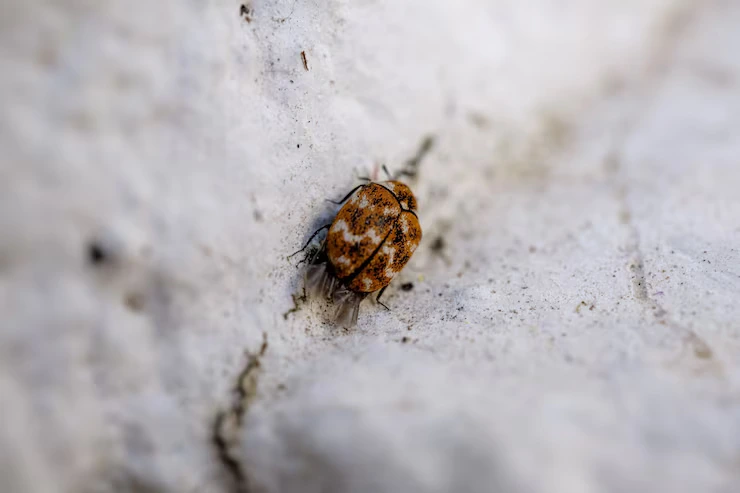
Oxnard’s coastal weather gives families many reasons to keep pets active outdoors. Mild temperatures, shaded yards, irrigated lawns, patios, and neighborhood walks can also create steady flea and tick pressure around homes. Dogs and cats may pick up pests from grass, soil edges, outdoor bedding, fence lines, or contact with areas where rodents and other animals have passed through. Once fleas or ticks reach a pet, the issue can quickly move from the yard into carpets, furniture, bedding, and resting areas. Tick prevention is most effective when it treats the home, pet routine, and property as connected parts of the same problem. Fleas and ticks are not only pet concerns. They are environmental pests that can hide in shaded outdoor zones, survive in indoor resting spots, and return when the source is not found. Professional inspection helps identify where activity is building and which areas need careful attention. Understand Where Pets Pick Up Fleas And Ticks Pets are often the first visible clue, but they are rarely the only location involved. Fleas may develop where pets sleep, scratch, or spend long periods. Ticks may wait in vegetation, lawn edges, brushy areas, or shaded ground cover before attaching to a passing animal or person. Common risk areas include: A pet may bring pests indoors even when the real source remains outside. This is why inspection should include both indoor comfort areas and exterior pressure zones. Know Why Oxnard Summers Raise Tick Pressure Summer in Oxnard can keep outdoor pest activity steady because mild coastal air, irrigation, and shaded landscapes hold enough moisture for pests to remain active. Pets spend more time outside, families open doors more often, and yards become gathering spaces. These patterns can increase the chances of fleas and ticks moving closer to daily living areas. Ticks are especially concerning because they may stay hidden until they attach. A small population can be overlooked if the yard is not checked carefully. When professionals evaluate summer tick areas, they look beyond the lawn surface and review the spots pets actually use. A focused tick prevention plan may consider where pets nap, where shade remains longest, where vegetation touches walkways, and whether rodents, gophers, spiders, wasps, ants, or cockroaches indicate broader pest pressure. The goal is not to treat everything the same way. It is to connect the pest, the route, and the environment. Watch For Signs Around Pets And Indoors Flea and tick activity can be easy to miss at first. Pets may scratch, lick, bite at their skin, or seem restless before homeowners see the pest. Fleas may leave tiny dark specks on bedding or appear near ankles. Ticks may attach quietly and remain hidden under fur. Signs to watch for include: Pet owners should coordinate pet-specific prevention with a veterinarian. A professional pest service focuses on the property conditions that allow fleas and ticks to continue. Both pieces matter because the pet and the environment can keep reinfesting each other if only one side is addressed. Treat The Environment, Not Just The Pet Flea problems often continue because eggs, larvae, pupae, or adult pests remain in the home or yard after the pet is treated. Indoor resting areas, soft surfaces, shaded patios, and protected outdoor zones can keep the cycle active. That is why flea control should be viewed as an environmental issue as well as a pet concern. A complete plan may include: Professional service helps determine whether the activity is active indoors, concentrated outdoors, or moving between both. That matters because a one-time surface response may miss hidden life stages or the source location. Help Pets Enjoy A Calmer Yard Flea and tick issues around pets are easier to manage when the yard, home, and pet routine are inspected together. For professional flea and tick control, tick prevention, pest control, ant control, cockroach control, gopher control, rodent control, spider control, wasp control, and practical prevention guidance, contact Extreme Gopher & Pest Control.
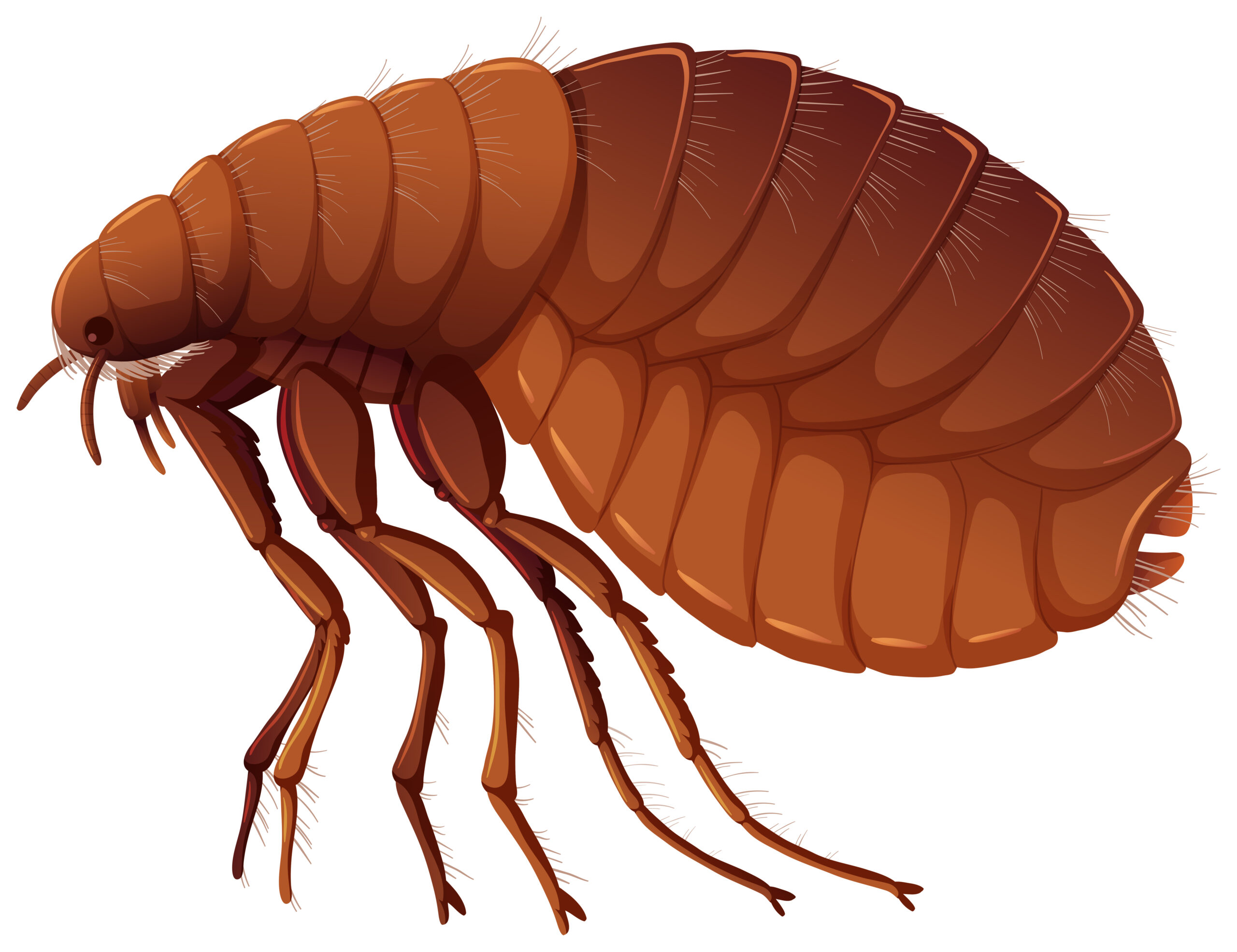
Why Flea Control Is More Than Just Treating Pets
Fleas are often associated with pets, but their presence in a home goes far beyond what is visible on animals. While treating pets is an important first step, it addresses only a small portion of the problem. A true Flea Control strategy must consider the entire environment where fleas live, reproduce, and spread. From an expert perspective, fleas are persistent pests that thrive in hidden areas. Their lifecycle allows them to remain undetected while continuing to multiply. Without addressing all stages of development and all affected spaces, flea activity can return quickly, even after pets have been treated. Understanding why Flea Control extends beyond pets is essential for achieving lasting results and preventing repeated infestations. How Fleas Live and Spread Inside a Home Fleas are highly adaptable and capable of spreading throughout a property in a short period. Once introduced, they do not remain confined to pets. Instead, they move into surrounding areas where conditions support their lifecycle. This cycle explains why treating pets alone is not enough. While adult fleas may be removed temporarily, eggs and larvae continue to develop in the environment, leading to reinfestation. Fleas often share environments with other pests that thrive in similar conditions. In our recent article on insect activity patterns, we explored further how seasonal changes influence pest behavior. Why Treating Pets Alone Is Not Enough Pet treatments focus primarily on adult fleas, but they do not eliminate the hidden stages of the lifecycle. This creates a gap in Flea Control efforts that allows infestations to persist. These factors make it clear that Flea Control must go beyond the pet itself. Addressing only one part of the problem often leads to frustration, as fleas seem to reappear without warning. A more comprehensive approach is needed to break the cycle completely. Key Areas Where Fleas Thrive Indoors Fleas tend to concentrate in areas that provide warmth, shelter, and access to hosts. Identifying these locations is critical for effective Flea Control. These environments allow fleas to remain active even when pets are treated. Without addressing these spaces, infestations can continue to grow. Understanding how pests behave in hidden areas is essential. In our blog post on treatment comparisons, the importance of addressing the full scope of pest activity is discussed in more detail. How Professional Flea Control Targets the Full Lifecycle Effective Flea Control requires a strategy that addresses every stage of the flea lifecycle. Professional pest control services are designed to provide this level of coverage. The process begins with a detailed inspection to identify where fleas are most active. This includes both visible areas and hidden spaces where eggs and larvae may be present. Targeted treatments are then applied to affected areas. These treatments are designed to reach beyond the surface, addressing not only adult fleas but also developing stages. By interrupting the lifecycle, the population is reduced more effectively. Another important element is timing. Treatments are often scheduled in phases to align with the lifecycle of fleas. This ensures that newly emerging fleas are addressed before they can reproduce. Environmental adjustments also play a role. Reducing moisture, improving cleanliness, and managing pet areas help create conditions that are less favorable for fleas. This comprehensive approach is what allows Flea Control to deliver lasting results rather than temporary relief. Why Consistent Monitoring Prevents Reinfestation Flea infestations can reappear if conditions remain favorable. Monitoring is essential for ensuring that Flea Control efforts remain effective over time. Regular assessments help identify early signs of activity before they become widespread. This allows for timely intervention and prevents the infestation from restarting. Monitoring also provides insight into how treatments are performing. Adjustments can be made based on changes in pest behavior, ensuring that control measures remain effective. Without ongoing attention, even a well-managed infestation can return. Fleas are resilient, and their ability to remain hidden makes them difficult to eliminate completely without consistent follow-up. Where Complete Control Begins Flea Control is not just about treating pets. It is about addressing the entire environment where fleas live and reproduce. A comprehensive approach ensures that every stage of the lifecycle is managed effectively.For thorough and reliable pest control solutions, contact Extreme Gopher & Pest Control and take the next step toward a cleaner, more comfortable home.
